August 9, 2026
LATEST
New EU Gas Market Rules Take Effect With Consumer SafeguardsDeforestation Regulation Holds Its December Deadline Despite CutsDigital Omnibus Delays Europe’s High-Risk AI Deadline to 2027Europe’s Schools Confront a Widening Basic Skills GapRule of Law Report Finds Progress but Trust Still LagsIRIS2 Gains 66 Satellites as Brussels Signs the Rollout DealNature Restoration Plans Come Due as Member States Race a DeadlineECB Rates Hold at 2.25 Percent as Frankfurt Waits on the DataEU Budget Talks Turn to Cohesion as Ireland Takes OverWildfire Response Stretches Europe’s Emergency Fleet ThinCan Europe’s Quantum Plan Match Its Big Ambitions?Armenia Edges West as Moscow’s Grip Slips AwayEurope Inherits the World’s Aid Bill It Cannot Fully PayAir Passenger Rights Get Their First Overhaul in Two DecadesErasmus Opens a 5 Billion Euro Round for Skills and MobilityCeuta Crisis Pushes the EU Toward Faster Migrant ReturnsBulky Parcels Face a Packaging Crackdown From August 12Can Europe Build Its Drone Wall Before 2030 Arrives?Indonesia’s Trade Deal With Europe Nears Its Final SignatureEurope Leans on Beijing to Keep Climate Talks Alive Before AntalyaNew EU Gas Market Rules Take Effect With Consumer SafeguardsDeforestation Regulation Holds Its December Deadline Despite CutsDigital Omnibus Delays Europe’s High-Risk AI Deadline to 2027Europe’s Schools Confront a Widening Basic Skills GapRule of Law Report Finds Progress but Trust Still LagsIRIS2 Gains 66 Satellites as Brussels Signs the Rollout DealNature Restoration Plans Come Due as Member States Race a DeadlineECB Rates Hold at 2.25 Percent as Frankfurt Waits on the DataEU Budget Talks Turn to Cohesion as Ireland Takes OverWildfire Response Stretches Europe’s Emergency Fleet ThinCan Europe’s Quantum Plan Match Its Big Ambitions?Armenia Edges West as Moscow’s Grip Slips AwayEurope Inherits the World’s Aid Bill It Cannot Fully PayAir Passenger Rights Get Their First Overhaul in Two DecadesErasmus Opens a 5 Billion Euro Round for Skills and MobilityCeuta Crisis Pushes the EU Toward Faster Migrant ReturnsBulky Parcels Face a Packaging Crackdown From August 12Can Europe Build Its Drone Wall Before 2030 Arrives?Indonesia’s Trade Deal With Europe Nears Its Final SignatureEurope Leans on Beijing to Keep Climate Talks Alive Before Antalya
August 9, 2026
LATEST
New EU Gas Market Rules Take Effect With Consumer SafeguardsDeforestation Regulation Holds Its December Deadline Despite CutsDigital Omnibus Delays Europe’s High-Risk AI Deadline to 2027Europe’s Schools Confront a Widening Basic Skills GapRule of Law Report Finds Progress but Trust Still LagsIRIS2 Gains 66 Satellites as Brussels Signs the Rollout DealNature Restoration Plans Come Due as Member States Race a DeadlineECB Rates Hold at 2.25 Percent as Frankfurt Waits on the DataEU Budget Talks Turn to Cohesion as Ireland Takes OverWildfire Response Stretches Europe’s Emergency Fleet ThinCan Europe’s Quantum Plan Match Its Big Ambitions?Armenia Edges West as Moscow’s Grip Slips AwayEurope Inherits the World’s Aid Bill It Cannot Fully PayAir Passenger Rights Get Their First Overhaul in Two DecadesErasmus Opens a 5 Billion Euro Round for Skills and MobilityCeuta Crisis Pushes the EU Toward Faster Migrant ReturnsBulky Parcels Face a Packaging Crackdown From August 12Can Europe Build Its Drone Wall Before 2030 Arrives?Indonesia’s Trade Deal With Europe Nears Its Final SignatureEurope Leans on Beijing to Keep Climate Talks Alive Before AntalyaNew EU Gas Market Rules Take Effect With Consumer SafeguardsDeforestation Regulation Holds Its December Deadline Despite CutsDigital Omnibus Delays Europe’s High-Risk AI Deadline to 2027Europe’s Schools Confront a Widening Basic Skills GapRule of Law Report Finds Progress but Trust Still LagsIRIS2 Gains 66 Satellites as Brussels Signs the Rollout DealNature Restoration Plans Come Due as Member States Race a DeadlineECB Rates Hold at 2.25 Percent as Frankfurt Waits on the DataEU Budget Talks Turn to Cohesion as Ireland Takes OverWildfire Response Stretches Europe’s Emergency Fleet ThinCan Europe’s Quantum Plan Match Its Big Ambitions?Armenia Edges West as Moscow’s Grip Slips AwayEurope Inherits the World’s Aid Bill It Cannot Fully PayAir Passenger Rights Get Their First Overhaul in Two DecadesErasmus Opens a 5 Billion Euro Round for Skills and MobilityCeuta Crisis Pushes the EU Toward Faster Migrant ReturnsBulky Parcels Face a Packaging Crackdown From August 12Can Europe Build Its Drone Wall Before 2030 Arrives?Indonesia’s Trade Deal With Europe Nears Its Final SignatureEurope Leans on Beijing to Keep Climate Talks Alive Before Antalya

Nine Days Before Launch, Europe’s Asylum Pact Faces A Patchy Map

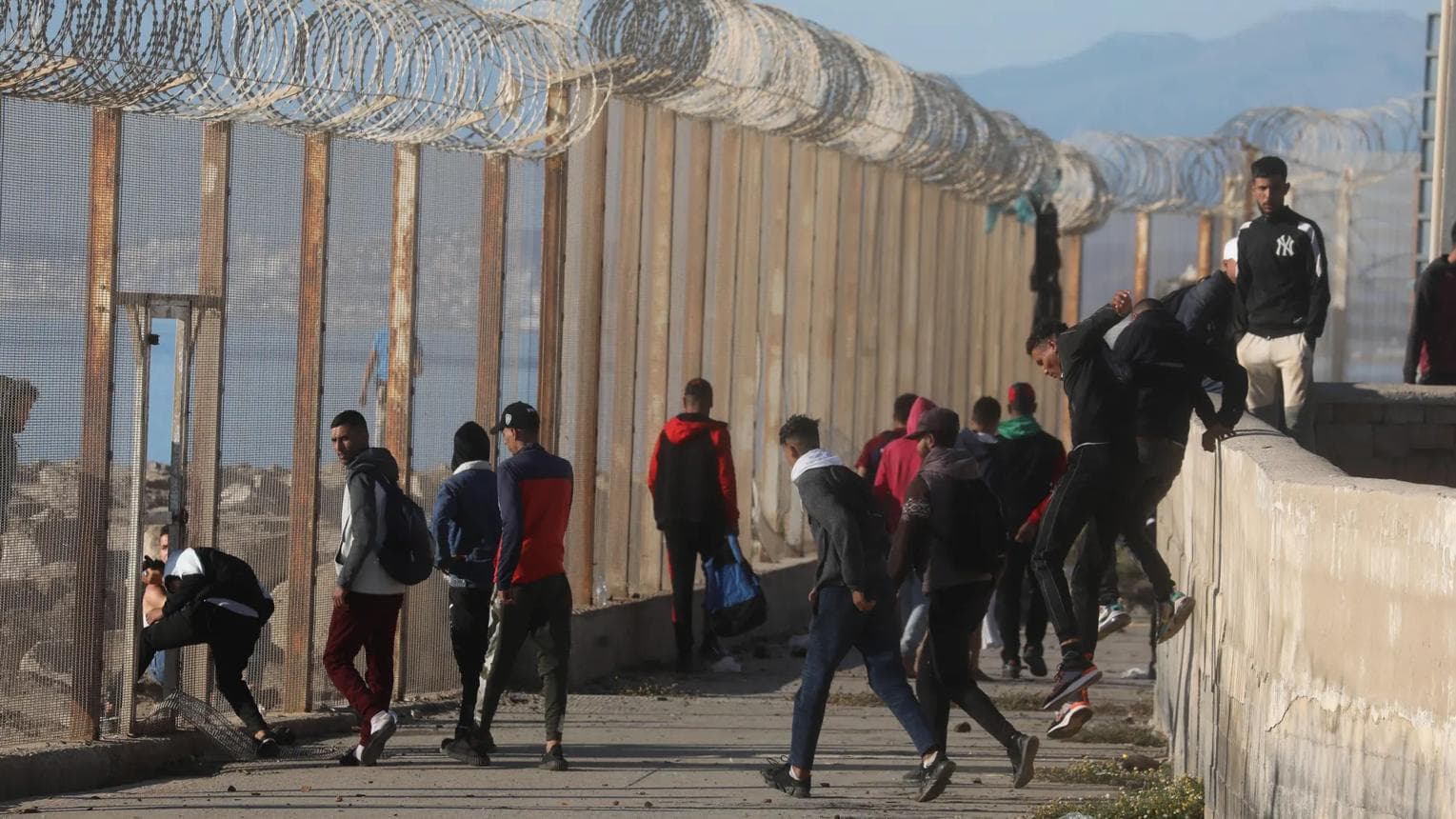
In nine days, the most sweeping rewrite of Europe’s asylum rules in a generation stops being a plan on paper and becomes binding law. On 12 June, the Pact on Migration and Asylum begins to apply, knitting together ten separate legislative acts that touch every stage of the journey, from the first security and health screening at an external border to the question of which member state must shoulder a given asylum claim. After a two-year transition, the deadline now has teeth, and the uncomfortable truth is that not everyone will reach it in the same shape.

The Commission’s own May progress report painted a picture of uneven readiness. Only a handful of governments, among them Czechia, Cyprus, Germany, Ireland and Slovakia, have adopted most of the national legislation the Pact demands. The rest are still wiring the machinery together. The most exposed pressure point is Eurodac, the central biometric database that records fingerprints and identities. Without it functioning across the bloc, the responsibility-sharing rules, the solidarity mechanism and the accelerated border procedures simply cannot operate as designed, because each depends on knowing who arrived where and when.

Money has been put behind the effort. The Commission has earmarked three billion euros to help capitals build reception capacity, train staff and connect their systems, a sum that also stretches to cover temporary protection for Ukrainians. Yet funding cannot manufacture political will or rebuild courts overnight. Free legal counselling during the administrative stage of an asylum claim, a safeguard written into the Pact, remains unavailable in Cyprus, Greece, Hungary, Estonia, Latvia and Italy, precisely the frontline states where the new rules will bite hardest.

The solidarity architecture is where ambition meets arithmetic. The 2026 reference figure sets a pool of 21,000 relocations or, for governments unwilling to take people, 420 million euros in financial contributions. Greece, Cyprus, Spain and Italy, all judged to be under migratory pressure, will be the first eligible to draw on it. Whether wealthier members treat that pool as a genuine obligation or a line item to buy their way out of will define how the Pact is remembered.

The mood has hardened in the run-up. On 1 June, the Council and Parliament struck a separate deal on returning third-country nationals staying illegally, part of a broader push toward faster deportations, longer detention and tighter scrutiny of asylum claims. Several wealthy capitals have spent the spring openly questioning the credibility of asylum applications, a rhetorical shift that gives the Pact’s tougher edges political cover.

What launches on 12 June, then, is less a finished system than a framework under construction with the scaffolding still visible. The legal obligations arrive on schedule; the administrative reality will lag, in some countries by months. For asylum seekers waiting at Europe’s edges, the gap between the law as written and the law as practised is not an abstraction. It is the difference between a screening that works and a queue that does not.