August 22, 2026
LATEST
Critical Minerals in Mongolia Still Have to Cross Two BordersCan an Indonesia Trade Deal Survive Two Years of RatifyingCross-Border Data Orders Went Live Before the Plumbing DidPlatform Work Rules Take Effect in December and Few Are ReadyCan Europe’s Firefighting Fleet Keep Pace With EU WildfiresThe AI Act Deadline Passed on 2 August and Nothing BitWhy Construction Keeps Shrinking While Confidence ImprovesAccession Talks Stall Again and September 1 Is the TestBrussels Applied a Trade Deal It Cannot Yet RatifyAfrica’s Power Market Now Needs Money More Than BlueprintsLong-Term Budget Talks Enter Autumn Without a Council LineForeign Subsidies Enforcement Now Turns on a Dublin RaidWho Writes Europe’s Telecom Rules Once Copper DisappearsDisability Cards Exist on Paper and Nowhere Else Until 2028Losing Visa-Free Travel Now Takes a Thirty Percent SwingTwenty Flagship Actions Will Test Whether the Culture Compass WorksEurope’s Quality Jobs Act Now Rests on What Unions Do by SeptemberDoes a Three Euro Parcel Duty Change Anything About Cheap ImportsEurope’s Satellite Constellation Grew by 66 Before a Single LaunchCan Europe’s Defence Industry Absorb 1.5 Billion by FebruaryCritical Minerals in Mongolia Still Have to Cross Two BordersCan an Indonesia Trade Deal Survive Two Years of RatifyingCross-Border Data Orders Went Live Before the Plumbing DidPlatform Work Rules Take Effect in December and Few Are ReadyCan Europe’s Firefighting Fleet Keep Pace With EU WildfiresThe AI Act Deadline Passed on 2 August and Nothing BitWhy Construction Keeps Shrinking While Confidence ImprovesAccession Talks Stall Again and September 1 Is the TestBrussels Applied a Trade Deal It Cannot Yet RatifyAfrica’s Power Market Now Needs Money More Than BlueprintsLong-Term Budget Talks Enter Autumn Without a Council LineForeign Subsidies Enforcement Now Turns on a Dublin RaidWho Writes Europe’s Telecom Rules Once Copper DisappearsDisability Cards Exist on Paper and Nowhere Else Until 2028Losing Visa-Free Travel Now Takes a Thirty Percent SwingTwenty Flagship Actions Will Test Whether the Culture Compass WorksEurope’s Quality Jobs Act Now Rests on What Unions Do by SeptemberDoes a Three Euro Parcel Duty Change Anything About Cheap ImportsEurope’s Satellite Constellation Grew by 66 Before a Single LaunchCan Europe’s Defence Industry Absorb 1.5 Billion by February
August 22, 2026
LATEST
Critical Minerals in Mongolia Still Have to Cross Two BordersCan an Indonesia Trade Deal Survive Two Years of RatifyingCross-Border Data Orders Went Live Before the Plumbing DidPlatform Work Rules Take Effect in December and Few Are ReadyCan Europe’s Firefighting Fleet Keep Pace With EU WildfiresThe AI Act Deadline Passed on 2 August and Nothing BitWhy Construction Keeps Shrinking While Confidence ImprovesAccession Talks Stall Again and September 1 Is the TestBrussels Applied a Trade Deal It Cannot Yet RatifyAfrica’s Power Market Now Needs Money More Than BlueprintsLong-Term Budget Talks Enter Autumn Without a Council LineForeign Subsidies Enforcement Now Turns on a Dublin RaidWho Writes Europe’s Telecom Rules Once Copper DisappearsDisability Cards Exist on Paper and Nowhere Else Until 2028Losing Visa-Free Travel Now Takes a Thirty Percent SwingTwenty Flagship Actions Will Test Whether the Culture Compass WorksEurope’s Quality Jobs Act Now Rests on What Unions Do by SeptemberDoes a Three Euro Parcel Duty Change Anything About Cheap ImportsEurope’s Satellite Constellation Grew by 66 Before a Single LaunchCan Europe’s Defence Industry Absorb 1.5 Billion by FebruaryCritical Minerals in Mongolia Still Have to Cross Two BordersCan an Indonesia Trade Deal Survive Two Years of RatifyingCross-Border Data Orders Went Live Before the Plumbing DidPlatform Work Rules Take Effect in December and Few Are ReadyCan Europe’s Firefighting Fleet Keep Pace With EU WildfiresThe AI Act Deadline Passed on 2 August and Nothing BitWhy Construction Keeps Shrinking While Confidence ImprovesAccession Talks Stall Again and September 1 Is the TestBrussels Applied a Trade Deal It Cannot Yet RatifyAfrica’s Power Market Now Needs Money More Than BlueprintsLong-Term Budget Talks Enter Autumn Without a Council LineForeign Subsidies Enforcement Now Turns on a Dublin RaidWho Writes Europe’s Telecom Rules Once Copper DisappearsDisability Cards Exist on Paper and Nowhere Else Until 2028Losing Visa-Free Travel Now Takes a Thirty Percent SwingTwenty Flagship Actions Will Test Whether the Culture Compass WorksEurope’s Quality Jobs Act Now Rests on What Unions Do by SeptemberDoes a Three Euro Parcel Duty Change Anything About Cheap ImportsEurope’s Satellite Constellation Grew by 66 Before a Single LaunchCan Europe’s Defence Industry Absorb 1.5 Billion by February

Nobody Outside the Commission Knows Who Attends a Reality Check

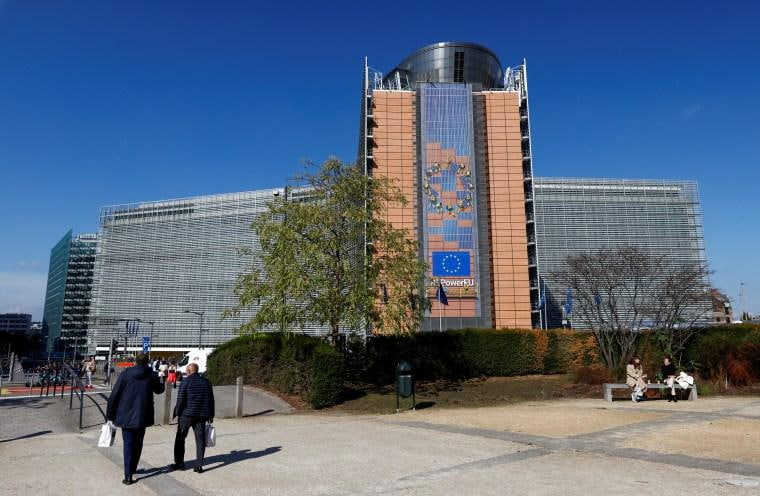
A consultation format almost nobody had heard of two years ago now sits at the centre of the European Union’s transparency argument. The European Ombudswoman, Teresa Anjinho, opened an inquiry on 8 July into the meetings the Commission calls reality checks, and she has asked the institution to explain in writing why they operate outside the disclosure rules that govern every other stakeholder encounter.

The format was designed to feed the simplification agenda. Officials invite practitioners, meaning people who apply a rule daily, to describe where the rule breaks down. The output goes into the omnibus packages that have stripped back reporting duties across chemicals, sustainability disclosure and digital compliance. Because the meetings are classified as technical exchanges rather than lobby meetings, the Commission does not publish attendance lists in advance, and in several cases the public learned that a session had shaped a proposal only after the proposal appeared.

Corporate Europe Observatory filed the complaint in late April, drawing on its own mapping of who receives the invitations. The watchdog’s central claim is not that practitioners should be excluded but that the guest list has skewed heavily corporate while the exemption from publication conceals exactly how heavily. The group welcomed the inquiry as a chance to force disclosure, and its researcher Kenneth Haar framed the practice as the Commission circumventing rules it wrote for itself.

Anjinho has been methodical. Alongside the written reply she has requested internal documentation and a full list of every reality check held during 2025 and 2026, together with the reports and legislative documents that cite their findings. That last demand matters more than it sounds. A list of meetings proves nothing on its own, but a list cross-referenced against the recitals of adopted proposals would show whether a closed session actually moved a text, and which one.

The inquiry does not arrive in isolation. In June the Ombudsman concluded that the Commission committed maladministration in how it prepared several proposals it deemed urgent, covering the first omnibus, a migration file and a common agricultural policy measure. She found the institution had skipped impact assessment and consultation obligations under its own Better Regulation guidelines. That decision is public, and it establishes a pattern the current case extends rather than begins.

The Commission’s defence deserves a fair hearing. Member states and industry spent two years demanding that Brussels cut compliance burdens, the Draghi analysis lent that demand intellectual weight, and simplification packages assembled at speed cannot follow a twelve-week consultation cycle for every technical annex. Officials also argue that a practitioner describing a malfunctioning reporting template is supplying information, not advocacy, and that treating every such conversation as lobbying would freeze the administration.

The counterargument holds anyway. Access is finite. A meeting that reaches only firms large enough to employ a Brussels representative produces a picture of regulatory burden drawn entirely by the actors best equipped to bear it. Small enterprises, trade unions and environmental groups experience the same rules and rarely receive the call. Publishing the list would not fix that imbalance, but it would make the imbalance visible, which is the entire purpose of the transparency register.

Ombudsman findings bind nobody. She can recommend, publish and embarrass, and the Commission can decline. Yet the timing works against the institution, because the next tranche of omnibus proposals lands while the file is open, and every one of them will now be read for traces of a meeting the public never saw.