August 9, 2026
LATEST
New EU Gas Market Rules Take Effect With Consumer SafeguardsDeforestation Regulation Holds Its December Deadline Despite CutsDigital Omnibus Delays Europe’s High-Risk AI Deadline to 2027Europe’s Schools Confront a Widening Basic Skills GapRule of Law Report Finds Progress but Trust Still LagsIRIS2 Gains 66 Satellites as Brussels Signs the Rollout DealNature Restoration Plans Come Due as Member States Race a DeadlineECB Rates Hold at 2.25 Percent as Frankfurt Waits on the DataEU Budget Talks Turn to Cohesion as Ireland Takes OverWildfire Response Stretches Europe’s Emergency Fleet ThinCan Europe’s Quantum Plan Match Its Big Ambitions?Armenia Edges West as Moscow’s Grip Slips AwayEurope Inherits the World’s Aid Bill It Cannot Fully PayAir Passenger Rights Get Their First Overhaul in Two DecadesErasmus Opens a 5 Billion Euro Round for Skills and MobilityCeuta Crisis Pushes the EU Toward Faster Migrant ReturnsBulky Parcels Face a Packaging Crackdown From August 12Can Europe Build Its Drone Wall Before 2030 Arrives?Indonesia’s Trade Deal With Europe Nears Its Final SignatureEurope Leans on Beijing to Keep Climate Talks Alive Before AntalyaNew EU Gas Market Rules Take Effect With Consumer SafeguardsDeforestation Regulation Holds Its December Deadline Despite CutsDigital Omnibus Delays Europe’s High-Risk AI Deadline to 2027Europe’s Schools Confront a Widening Basic Skills GapRule of Law Report Finds Progress but Trust Still LagsIRIS2 Gains 66 Satellites as Brussels Signs the Rollout DealNature Restoration Plans Come Due as Member States Race a DeadlineECB Rates Hold at 2.25 Percent as Frankfurt Waits on the DataEU Budget Talks Turn to Cohesion as Ireland Takes OverWildfire Response Stretches Europe’s Emergency Fleet ThinCan Europe’s Quantum Plan Match Its Big Ambitions?Armenia Edges West as Moscow’s Grip Slips AwayEurope Inherits the World’s Aid Bill It Cannot Fully PayAir Passenger Rights Get Their First Overhaul in Two DecadesErasmus Opens a 5 Billion Euro Round for Skills and MobilityCeuta Crisis Pushes the EU Toward Faster Migrant ReturnsBulky Parcels Face a Packaging Crackdown From August 12Can Europe Build Its Drone Wall Before 2030 Arrives?Indonesia’s Trade Deal With Europe Nears Its Final SignatureEurope Leans on Beijing to Keep Climate Talks Alive Before Antalya
August 9, 2026
LATEST
New EU Gas Market Rules Take Effect With Consumer SafeguardsDeforestation Regulation Holds Its December Deadline Despite CutsDigital Omnibus Delays Europe’s High-Risk AI Deadline to 2027Europe’s Schools Confront a Widening Basic Skills GapRule of Law Report Finds Progress but Trust Still LagsIRIS2 Gains 66 Satellites as Brussels Signs the Rollout DealNature Restoration Plans Come Due as Member States Race a DeadlineECB Rates Hold at 2.25 Percent as Frankfurt Waits on the DataEU Budget Talks Turn to Cohesion as Ireland Takes OverWildfire Response Stretches Europe’s Emergency Fleet ThinCan Europe’s Quantum Plan Match Its Big Ambitions?Armenia Edges West as Moscow’s Grip Slips AwayEurope Inherits the World’s Aid Bill It Cannot Fully PayAir Passenger Rights Get Their First Overhaul in Two DecadesErasmus Opens a 5 Billion Euro Round for Skills and MobilityCeuta Crisis Pushes the EU Toward Faster Migrant ReturnsBulky Parcels Face a Packaging Crackdown From August 12Can Europe Build Its Drone Wall Before 2030 Arrives?Indonesia’s Trade Deal With Europe Nears Its Final SignatureEurope Leans on Beijing to Keep Climate Talks Alive Before AntalyaNew EU Gas Market Rules Take Effect With Consumer SafeguardsDeforestation Regulation Holds Its December Deadline Despite CutsDigital Omnibus Delays Europe’s High-Risk AI Deadline to 2027Europe’s Schools Confront a Widening Basic Skills GapRule of Law Report Finds Progress but Trust Still LagsIRIS2 Gains 66 Satellites as Brussels Signs the Rollout DealNature Restoration Plans Come Due as Member States Race a DeadlineECB Rates Hold at 2.25 Percent as Frankfurt Waits on the DataEU Budget Talks Turn to Cohesion as Ireland Takes OverWildfire Response Stretches Europe’s Emergency Fleet ThinCan Europe’s Quantum Plan Match Its Big Ambitions?Armenia Edges West as Moscow’s Grip Slips AwayEurope Inherits the World’s Aid Bill It Cannot Fully PayAir Passenger Rights Get Their First Overhaul in Two DecadesErasmus Opens a 5 Billion Euro Round for Skills and MobilityCeuta Crisis Pushes the EU Toward Faster Migrant ReturnsBulky Parcels Face a Packaging Crackdown From August 12Can Europe Build Its Drone Wall Before 2030 Arrives?Indonesia’s Trade Deal With Europe Nears Its Final SignatureEurope Leans on Beijing to Keep Climate Talks Alive Before Antalya

Orbital Rules Push Europe’s Space Act Toward a Trilogue Fight

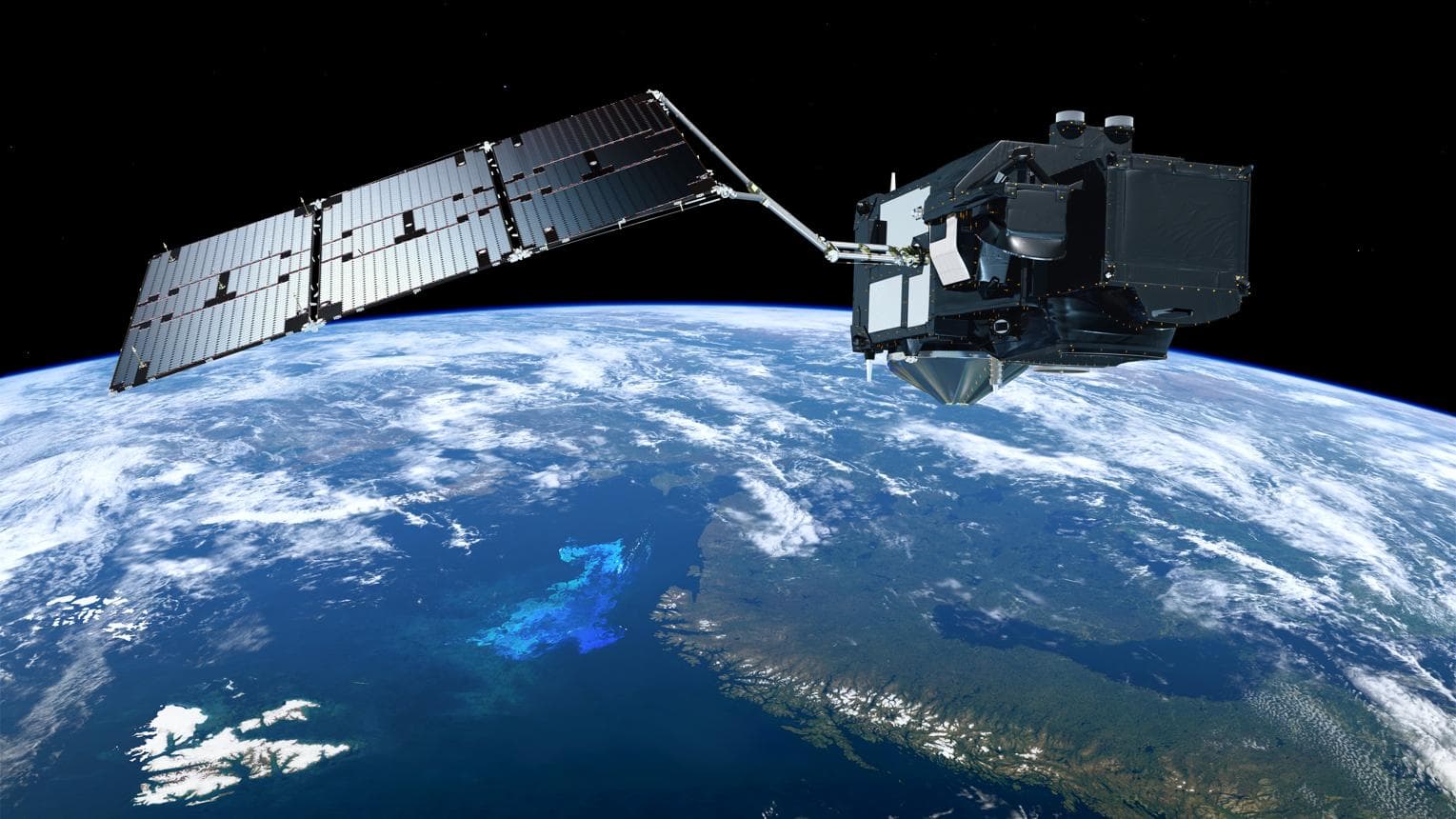
A fast-growing space industry now faces its first attempt at a single European rulebook, and the haggling over that text has entered its decisive phase. The proposed Space Act, tabled by the Commission in 2025, sets common rules for how satellites launch, operate and eventually burn up.

Cyprus, holding the rotating Council presidency, circulated a fresh compromise draft on 30 March that delegations praised for trimming complexity. The Parliament had floated its own revisions weeks earlier. Neither side has settled the hardest questions, and officials expect trilogue talks to open only late this year.

The stakes reach well beyond the institutions. The Space Act would require operators that launch from the bloc or sell services inside it to meet EU standards on safety, cybersecurity and sustainability, so American and other foreign firms have watched the drafting closely.

Three obligations sit at the core. Member states would authorise and then continuously supervise space activities on their territory. Operators would shoulder safety and sustainability duties, from tracking debris to planning how a satellite retires. And the Union would decide whether to recognise third-country rules as equivalent, a lever that could either smooth or block market access.

The debris problem gives the effort its urgency. Tens of thousands of tracked objects already crowd low orbits, and each collision spawns fresh fragments that threaten working satellites. Regulators want operators to design craft that de-orbit safely and to share tracking data, arguing that voluntary guidelines have failed to keep pace with the surge in launches.

Cybersecurity has emerged as an equally fraught strand. The draft ties into the Union’s NIS 2 directive on network security, and negotiators are still working out how the two regimes overlap without burying smaller operators in duplicated paperwork. Industry groups warn that heavy compliance costs could push start-ups toward friendlier jurisdictions.

Scope is the other flashpoint. Governments disagree over which activities the law should capture, whether a presumption of authorisation should ease approvals, and how tough the penalty regime needs to be. The legislative file shows how far apart the two chambers still sit.

For non-EU companies, the market-access clause looms largest. If the final text recognises equivalent foreign frameworks, established players from the United States and beyond keep their footing in a lucrative market. If it does not, they meet a fresh layer of European authorisation before they can serve customers on the continent.

The Commission frames the law as a bid for strategic autonomy, a way to secure the satellites that underpin navigation, communications and defence without leaning on rules written elsewhere. Supporters argue that a fragmented patchwork of national licences already handicaps European firms competing against better-funded rivals.

Much still hangs on the trilogue that officials expect to begin as the year closes. Until then, the Space Act remains a work in progress, ambitious in reach yet unresolved on the details that will decide who launches, who pays and who gains from Europe’s crowded skies.