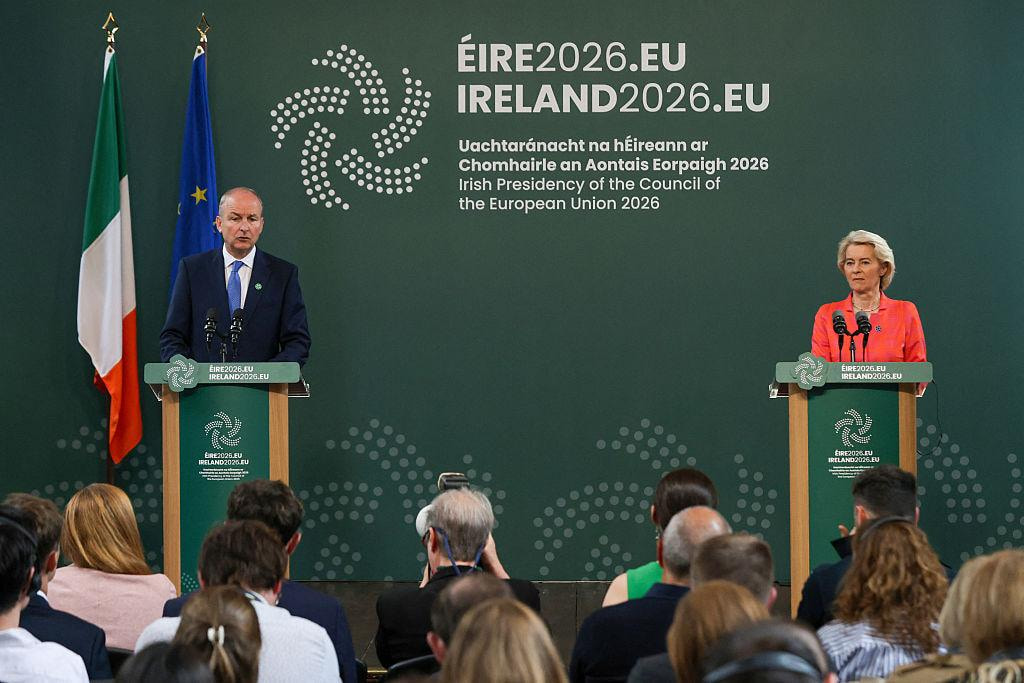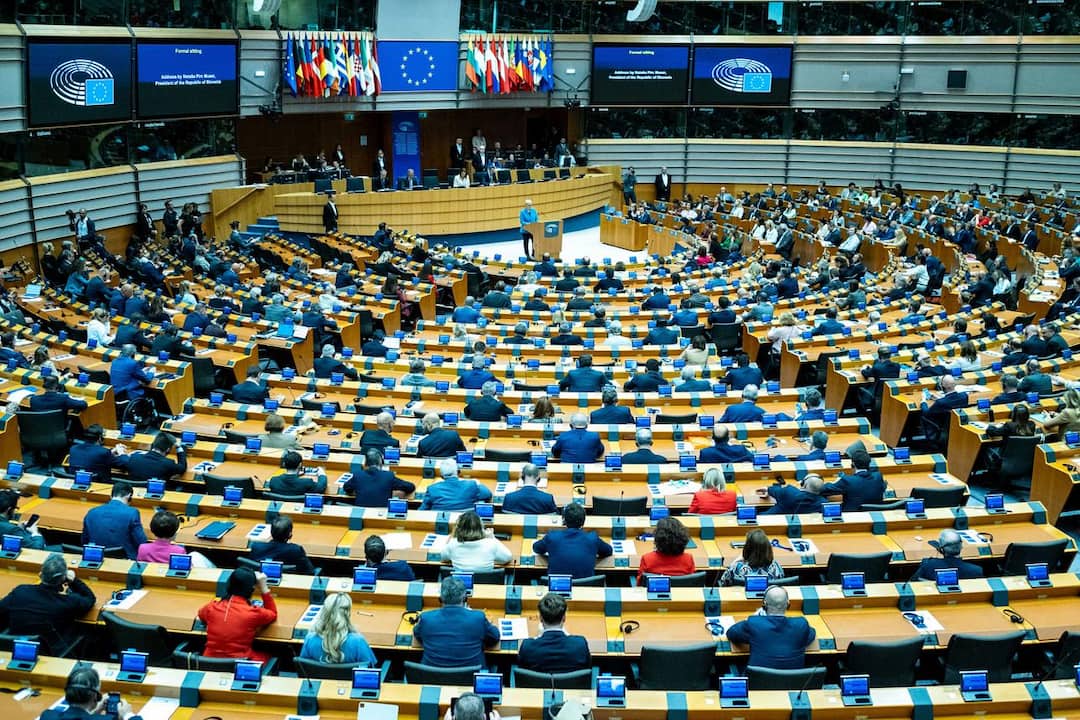
A provisional agreement struck on 20 May between the European Parliament’s trade committee leadership and the Council presidency has set the stage for one of the most consequential trade votes of the year. Lawmakers are expected to deliver a formal ratification of the tariff elements of the EU-US Joint Statement — originally agreed in August 2025 — in a plenary session expected in mid-June, with implementation mechanisms designed to take effect before the end of the month.
The pressure driving that timeline is explicit and numerical. Unless the deal is formally ratified by 4 July 2026, the United States has threatened to escalate tariffs on EU-made automobiles from the current 15% to 25% — a measure that would send shockwaves through Germany’s already strained automotive sector, and through the supply chains of French, Italian, and Spanish manufacturers that depend heavily on transatlantic market access.
The broader architecture of the deal reflects the uneasy compromise that has defined EU-US trade relations since sweeping tariff measures began reshaping global commerce. Under the terms of the Joint Statement and its implementing regulations, the EU will eliminate tariffs on a defined basket of US industrial goods, while Washington agrees to cap most of its tariffs on EU exports at 15%. For European exporters, this represents a material improvement from the levels that prevailed during the peak of tariff hostilities in 2025, when uncertainty over potential 25%-plus rates suppressed investment and export planning across multiple sectors.
Steel and aluminium occupy a particularly sensitive corner of the agreement. The implementing regulation includes a safeguard clause allowing the Commission to suspend concessions on these products if the United States continues to apply tariff rates above 15% on EU-origin steel and aluminium derivative products beyond 31 December 2026. This provision reflects European frustration at Washington’s reluctance to fully unwind the Section 232 measures that have persisted in various forms since 2018, and it gives the Commission a legal mechanism to respond without triggering a full-scale trade confrontation.
The Parliament’s position heading into the final vote is not uniformly enthusiastic. Trade Committee MEPs have raised concerns about the asymmetry of market access commitments, particularly in the agricultural and pharmaceutical sectors, where the US made fewer concessions than European industry bodies had sought. There are also questions about the deal’s compatibility with the EU’s Carbon Border Adjustment Mechanism, which the US has separately characterised as a non-tariff trade barrier. Reconciling these tensions without reopening the core text is the challenge now facing the Parliament’s rapporteurs.
Beyond the legal and procedural choreography, the broader significance of this vote lies in what it signals about the EU’s capacity to manage asymmetric trade pressure from a major partner. The Commission’s negotiating strategy has been built around credibility — the threat of retaliation, the display of legal instruments, and the willingness to absorb short-term economic pain in pursuit of durable rules-based outcomes. Whether that strategy has delivered a genuinely balanced deal will be debated long after the mid-June vote concludes. What is clear is that failure to ratify would expose European industry to tariff escalation at precisely the moment when competitiveness has become the defining preoccupation of EU economic policy — an asymmetry of outcomes that, more than anything else, is likely to drive the Parliament toward a yes.