August 9, 2026
LATEST
New EU Gas Market Rules Take Effect With Consumer SafeguardsDeforestation Regulation Holds Its December Deadline Despite CutsDigital Omnibus Delays Europe’s High-Risk AI Deadline to 2027Europe’s Schools Confront a Widening Basic Skills GapRule of Law Report Finds Progress but Trust Still LagsIRIS2 Gains 66 Satellites as Brussels Signs the Rollout DealNature Restoration Plans Come Due as Member States Race a DeadlineECB Rates Hold at 2.25 Percent as Frankfurt Waits on the DataEU Budget Talks Turn to Cohesion as Ireland Takes OverWildfire Response Stretches Europe’s Emergency Fleet ThinCan Europe’s Quantum Plan Match Its Big Ambitions?Armenia Edges West as Moscow’s Grip Slips AwayEurope Inherits the World’s Aid Bill It Cannot Fully PayAir Passenger Rights Get Their First Overhaul in Two DecadesErasmus Opens a 5 Billion Euro Round for Skills and MobilityCeuta Crisis Pushes the EU Toward Faster Migrant ReturnsBulky Parcels Face a Packaging Crackdown From August 12Can Europe Build Its Drone Wall Before 2030 Arrives?Indonesia’s Trade Deal With Europe Nears Its Final SignatureEurope Leans on Beijing to Keep Climate Talks Alive Before AntalyaNew EU Gas Market Rules Take Effect With Consumer SafeguardsDeforestation Regulation Holds Its December Deadline Despite CutsDigital Omnibus Delays Europe’s High-Risk AI Deadline to 2027Europe’s Schools Confront a Widening Basic Skills GapRule of Law Report Finds Progress but Trust Still LagsIRIS2 Gains 66 Satellites as Brussels Signs the Rollout DealNature Restoration Plans Come Due as Member States Race a DeadlineECB Rates Hold at 2.25 Percent as Frankfurt Waits on the DataEU Budget Talks Turn to Cohesion as Ireland Takes OverWildfire Response Stretches Europe’s Emergency Fleet ThinCan Europe’s Quantum Plan Match Its Big Ambitions?Armenia Edges West as Moscow’s Grip Slips AwayEurope Inherits the World’s Aid Bill It Cannot Fully PayAir Passenger Rights Get Their First Overhaul in Two DecadesErasmus Opens a 5 Billion Euro Round for Skills and MobilityCeuta Crisis Pushes the EU Toward Faster Migrant ReturnsBulky Parcels Face a Packaging Crackdown From August 12Can Europe Build Its Drone Wall Before 2030 Arrives?Indonesia’s Trade Deal With Europe Nears Its Final SignatureEurope Leans on Beijing to Keep Climate Talks Alive Before Antalya
August 9, 2026
LATEST
New EU Gas Market Rules Take Effect With Consumer SafeguardsDeforestation Regulation Holds Its December Deadline Despite CutsDigital Omnibus Delays Europe’s High-Risk AI Deadline to 2027Europe’s Schools Confront a Widening Basic Skills GapRule of Law Report Finds Progress but Trust Still LagsIRIS2 Gains 66 Satellites as Brussels Signs the Rollout DealNature Restoration Plans Come Due as Member States Race a DeadlineECB Rates Hold at 2.25 Percent as Frankfurt Waits on the DataEU Budget Talks Turn to Cohesion as Ireland Takes OverWildfire Response Stretches Europe’s Emergency Fleet ThinCan Europe’s Quantum Plan Match Its Big Ambitions?Armenia Edges West as Moscow’s Grip Slips AwayEurope Inherits the World’s Aid Bill It Cannot Fully PayAir Passenger Rights Get Their First Overhaul in Two DecadesErasmus Opens a 5 Billion Euro Round for Skills and MobilityCeuta Crisis Pushes the EU Toward Faster Migrant ReturnsBulky Parcels Face a Packaging Crackdown From August 12Can Europe Build Its Drone Wall Before 2030 Arrives?Indonesia’s Trade Deal With Europe Nears Its Final SignatureEurope Leans on Beijing to Keep Climate Talks Alive Before AntalyaNew EU Gas Market Rules Take Effect With Consumer SafeguardsDeforestation Regulation Holds Its December Deadline Despite CutsDigital Omnibus Delays Europe’s High-Risk AI Deadline to 2027Europe’s Schools Confront a Widening Basic Skills GapRule of Law Report Finds Progress but Trust Still LagsIRIS2 Gains 66 Satellites as Brussels Signs the Rollout DealNature Restoration Plans Come Due as Member States Race a DeadlineECB Rates Hold at 2.25 Percent as Frankfurt Waits on the DataEU Budget Talks Turn to Cohesion as Ireland Takes OverWildfire Response Stretches Europe’s Emergency Fleet ThinCan Europe’s Quantum Plan Match Its Big Ambitions?Armenia Edges West as Moscow’s Grip Slips AwayEurope Inherits the World’s Aid Bill It Cannot Fully PayAir Passenger Rights Get Their First Overhaul in Two DecadesErasmus Opens a 5 Billion Euro Round for Skills and MobilityCeuta Crisis Pushes the EU Toward Faster Migrant ReturnsBulky Parcels Face a Packaging Crackdown From August 12Can Europe Build Its Drone Wall Before 2030 Arrives?Indonesia’s Trade Deal With Europe Nears Its Final SignatureEurope Leans on Beijing to Keep Climate Talks Alive Before Antalya

Rate Hike Returns As Middle East War Reignites Inflation

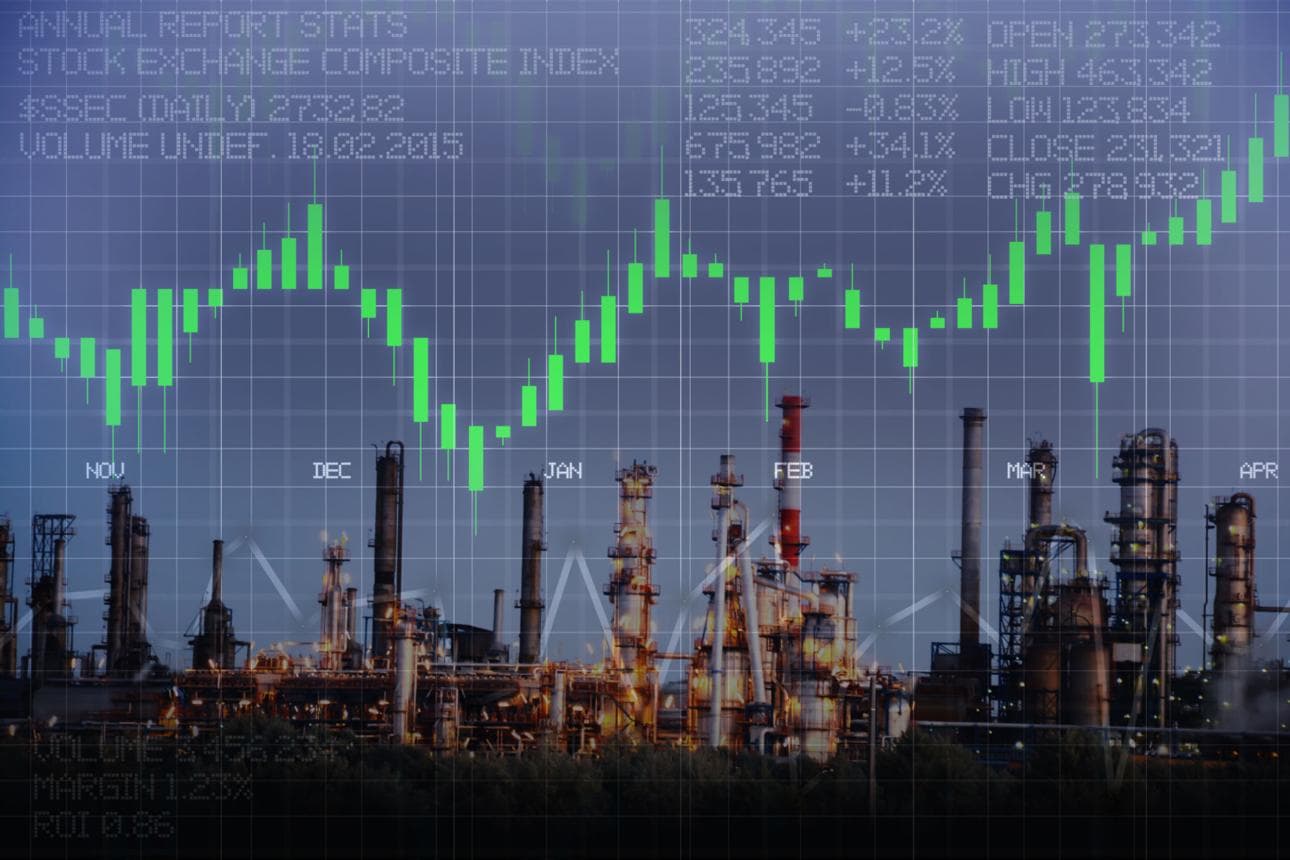
The European Central Bank has done something it had not attempted in nearly three years: it raised borrowing costs. On 11 June the Governing Council lifted all three key rates by a quarter of a percentage point, pushing the deposit facility from 2 percent to 2.25 percent. It is the first increase since the tightening cycle that ended in September 2023, and it reverses the cautious easing that had characterised the bank’s stance through 2025.

The trigger is uncomfortable to name plainly, but officials did not hide from it. War in the Middle East has pushed energy prices higher and injected fresh uncertainty into supply chains, and that has fed directly into consumer prices. Headline inflation accelerated to 3.2 percent in May, well clear of the 2 percent target, while core inflation, which strips out volatile food and energy, climbed to 2.5 percent from 2.2 percent the month before. When the underlying measure starts drifting upward, central bankers worry less about a one-off shock and more about price pressures becoming embedded.

President Christine Lagarde framed the move as insurance rather than panic. She argued that a 25 basis-point step was robust across a range of scenarios mapping how the conflict might evolve, language designed to signal that the Council acted on probabilities, not headlines. Yet she was careful not to slam any doors. By keeping open the possibility of further hikes, she preserved the bank’s room to respond if energy costs keep climbing through the summer.

The awkwardness is that the euro area is not obviously strong enough to absorb tighter money. The bloc’s economy contracted in the first quarter, labour demand has cooled, and Lagarde herself acknowledged that firms and households expect the jobs market to weaken. Surveys point to a slowdown concentrated in services, the sector that employs most Europeans. Raising rates into a softening economy is the classic central-bank dilemma: defend the currency’s purchasing power and risk choking growth, or protect output and risk letting inflation expectations slip free.

The bank’s own projections capture the tension. Staff now expect headline inflation to average 3.0 percent this year before easing to 2.3 percent in 2027 and finally touching the 2 percent target in 2028. That is a long road back, and it assumes the geopolitical shock fades rather than deepens. If oil markets stay volatile, those numbers will look optimistic, and the Council may be forced into a sequence of hikes it would much rather avoid.

For households the practical consequences arrive through mortgages, car loans and the slow repricing of savings. Variable-rate borrowers in countries where floating mortgages dominate will feel the increase first. For governments still carrying heavy debt loads from the pandemic and energy-crisis years, higher rates raise the cost of refinancing, narrowing the fiscal space available for everything from defence to climate investment, both of which the bloc has pledged to expand.

What makes this decision consequential is less the quarter point itself than the direction it signals. After two years in which the story was about how fast and how far to cut, the conversation has flipped. Markets are already pricing in at least one more increase before the year ends. The deeper question is whether a supply shock driven by conflict abroad can really be tamed by tightening at home, or whether the ECB is simply demonstrating resolve while waiting for the external pressure to ease. Either way, the era of falling rates has, for now, been put on hold.