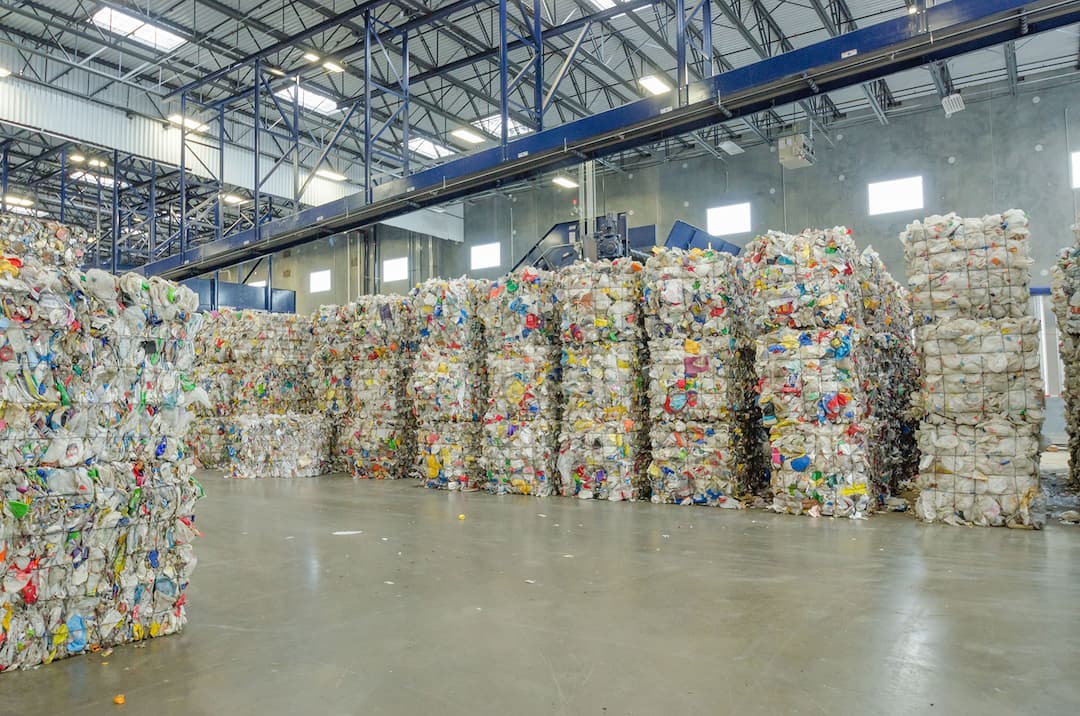
Recyclers across the continent have spent years complaining that the EU treats a bale of sorted plastic or a tonne of recovered aluminium as waste to be policed rather than a commodity to be traded. That framing is about to be tested. The Commission has confirmed that its long-trailed Circular Economy Act will land as a formal proposal in the fourth quarter of 2026, and its central promise is blunt: a genuine single market for secondary raw materials, the recycled plastics, paper, metals and production by-products that today move across borders only after a thicket of national permits.
The economic logic is hard to argue with. Europe imports most of the critical and base materials its factories depend on, yet it exports or landfills recovered material that could substitute for them. The Act is meant to close that gap by harmonising end-of-waste rules so a recycler in one member state can sell certified output to a manufacturer in another without re-proving, country by country, that the material has stopped being waste. The Commission frames this as both an industrial competitiveness play and a hedge against the supply shocks that have rattled European manufacturers since the pandemic.
The most concrete near-term change is administrative rather than glamorous. From 2026 the bloc is digitising cross-border waste-shipment procedures through a single electronic platform, the Digital Waste Shipment System, which operators and competent authorities will be required to use. In theory it shrinks the paperwork that makes legitimate recycling trade slow and expensive, while making illegal trafficking easier to spot. For an industry that has long argued that fraudsters and honest recyclers face the same friction, that is a meaningful prize.
It also arrives at an awkward moment. The Packaging and Packaging Waste Regulation, already on the books, starts applying from 12 August 2026, imposing recyclability, recycled-content and waste-prevention duties on producers. Companies are therefore being asked to absorb a binding packaging regime and a still-forming materials regime in the same window. The headline ambition behind both, doubling the EU’s circular material use rate by 2030 from figures stuck around the low teens, is sweeping; one widely cited target points to a 24% material use rate. Hitting it would require recyclers to scale faster than at any point in the bloc’s history.
There are reasons for scepticism. A single market for secondary materials only works if buyers trust the quality standards behind the certification, and quality is exactly where recycled feedstock has historically struggled against virgin material on both price and performance. If the Act sets standards too loosely, manufacturers will ignore the recovered supply; too tightly, and recyclers will fail to qualify. The Commission must also avoid writing rules that simply favour incumbents large enough to navigate a new digital platform while squeezing the smaller operators who handle much of Europe’s actual sorting.
The deeper question is whether harmonised rules can overcome the stubborn economics of recycling, where volatile virgin commodity prices repeatedly undercut recovered material and strand investment. Brussels can build the marketplace, but it cannot guarantee demand. Until manufacturers face a binding pull toward recycled content rather than a voluntary nudge, the single market for scrap risks being an elegant piece of plumbing with too little flowing through it. The proposal will reveal whether the Commission has learned that lesson.