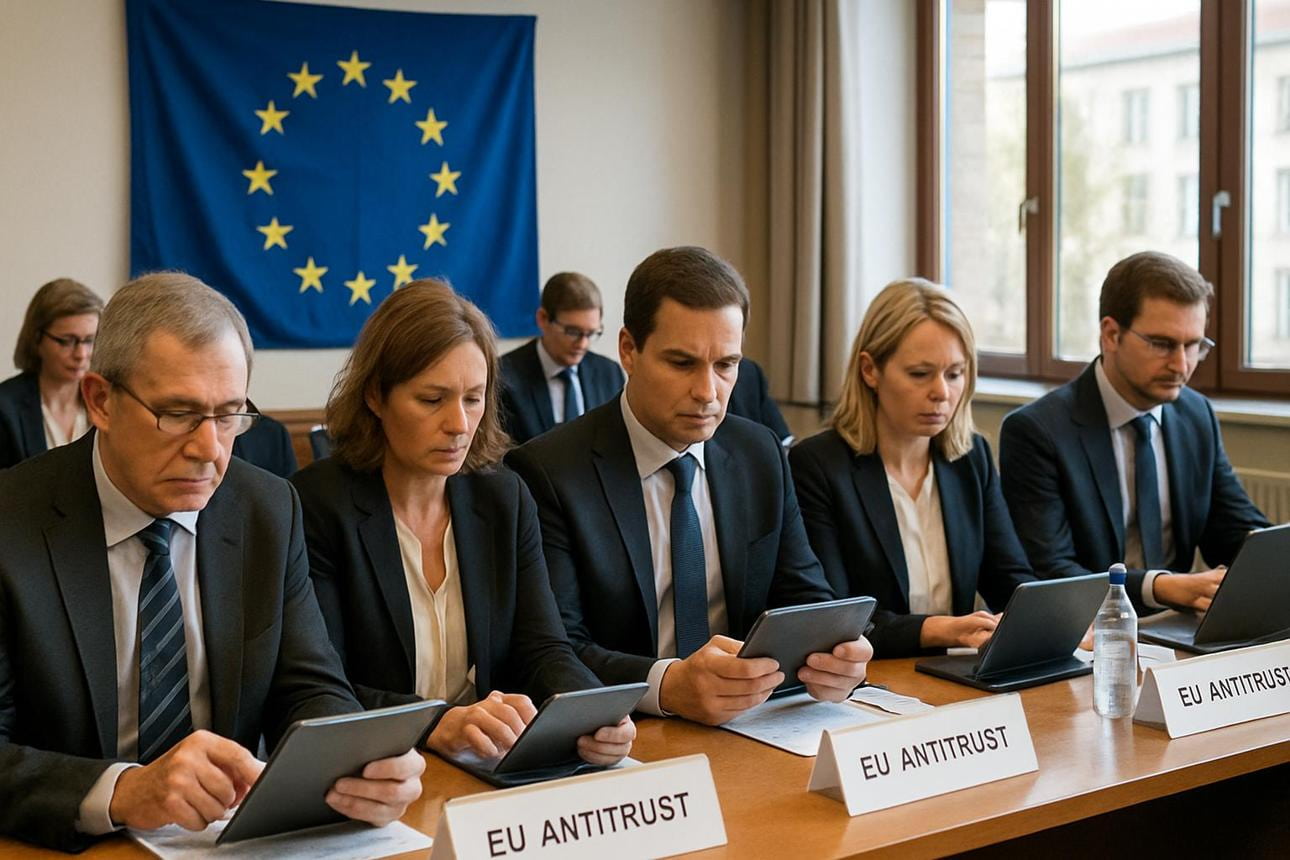
Deal-makers across the continent are reading the fine print of a document that could reshape how billion-euro tie-ups are cleared or blocked. The European Commission has put its draft Merger Assessment Guidelines out for consultation, with the comment window closing on 26 June, and the proposed text marks the first serious rethink of the bloc’s merger logic in more than a decade.
The headline shift is philosophical as much as technical. For years, competition lawyers complained that the watchdog weighed only the risks of consolidation while treating any claimed benefits with suspicion. The new draft tilts that balance. It gives explicit weight to efficiencies, to investment in research, and to the resilience of supply chains, allowing companies to argue that a merger strengthens Europe rather than simply removing a rival. That language echoes the competitiveness agenda that has dominated economic debate since the Draghi report, and it hands defenders of consolidation a vocabulary they did not previously have.
Yet the guidelines also widen the net. They formally recognise new theories of harm, including the worry that a dominant firm might snap up a small but promising innovator to bury a future threat. So-called killer acquisitions have haunted regulators in pharmaceuticals and digital markets, where a target’s turnover is too low to trigger automatic review. By writing these concerns into the framework, the Commission signals that a deal can be scrutinised for the competition it forecloses tomorrow, not just the overlap it creates today.
The timing is not accidental. Enforcement has been busy: unannounced inspections swept the chocolate confectionery sector in April over suspected market partitioning, and the college recently waved through tens of millions in state aid for a semiconductor testing facility. Each case underlines the same tension running through the draft, namely how to keep markets contestable while letting European champions reach the scale needed to compete with American and Chinese rivals.
Critics will find plenty to dislike. Consumer groups fear that an efficiency defence, generously applied, becomes a loophole through which higher prices quietly pass. Business federations counter that the old approach scared off mergers that would have funded the very innovation Europe says it wants. Both readings can be true, and the guidelines leave enormous discretion to case teams who must decide, deal by deal, which story to believe.
What happens after the consultation matters more than the draft itself. Guidelines are not law; they describe how the Commission intends to use powers it already holds, and courts in Luxembourg retain the final word when a blocked company sues. Still, they set expectations that ripple through boardrooms long before any case reaches a judge. A clearer signal that benefits count could unlock deals that have sat frozen in uncertainty, while the new harm theories may chill others that once looked routine.
For now the message is that Europe wants merger control to do two jobs at once, protecting competition and nurturing scale, and is betting that careful guidelines can hold those goals in balance. Whether that bet pays off will be tested not in the consultation responses but in the first contested decision that leans on the new text.