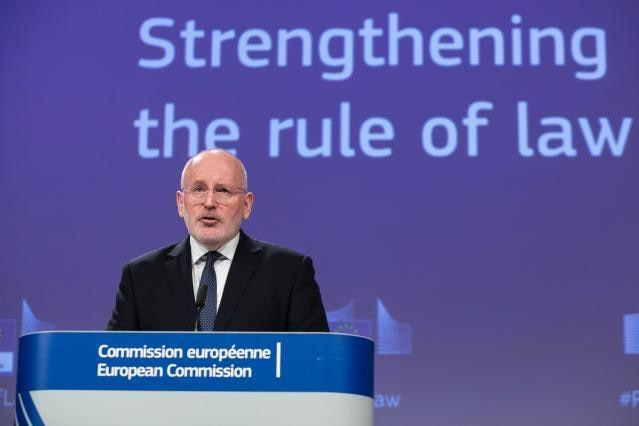
A 305 million euro question now sits on the desks of civil-society groups across the Union, as the European Commission opens the 2026 round of its Citizens, Equality, Rights and Values programme, the main financial instrument through which Brussels tries to keep democracy, fundamental rights and the rule of law anchored at the grassroots. Twelve calls for proposals have been published on the Funding and Tenders Portal, spread across the programme’s familiar strands, with more expected to follow through the year. The timing carries weight, because the money is arriving as the space for independent civic action in several member states grows visibly tighter.
Among the first tranche is a 26 million euro call devoted to the application of the EU Charter of Fundamental Rights, which asks organisations to raise awareness of Charter protections and to defend what officials describe as an enabling environment for civil society. Other strands support equality, the fight against gender-based violence, remembrance of Europe’s history, and the ordinary machinery of citizen engagement such as town twinning and cross-border networks. Managed by the European Education and Culture Executive Agency on behalf of the Directorate-General for Justice and Consumers, the calls typically cover up to ninety percent of project costs, a rate deliberately set high to reach small groups that could not otherwise compete for Union money.
The programme was created in 2021 with a seven-year envelope of roughly 1.55 billion euros, and the 2026 allocation continues a steady annual rhythm rather than signalling any dramatic increase. That modest scale is part of the political story. Supporters argue that CERV is one of the few tools through which the Union can channel resources directly to watchdogs, legal-aid clinics and anti-discrimination bodies without passing through national governments that may be hostile to them. Where courts and infringement proceedings move slowly, a grant can keep a monitoring organisation alive through a difficult year.
Critics from opposite directions question the design. Some governments bristle at Brussels funding organisations that campaign against their own policies, framing it as interference in domestic debate. Civil-society advocates, meanwhile, warn that 305 million euros spread across an entire continent is thin cover against sustained pressure, and that competitive project grants are a poor substitute for stable core funding that lets groups plan beyond a single cycle. Both complaints point to the same underlying tension in the programme, which tries to be even-handed across member states while defending values that are contested precisely because they are political.
For the organisations preparing applications over the coming weeks, the debate is secondary to the deadlines. The practical reality is that a well-argued proposal can mean the difference between expanding a rights project and shelving it, and the portal is where that contest now plays out. Whether a programme of this size can meaningfully hold the line for European civic space, or whether it mainly signals intent, is a question the next year of grants will begin to answer.