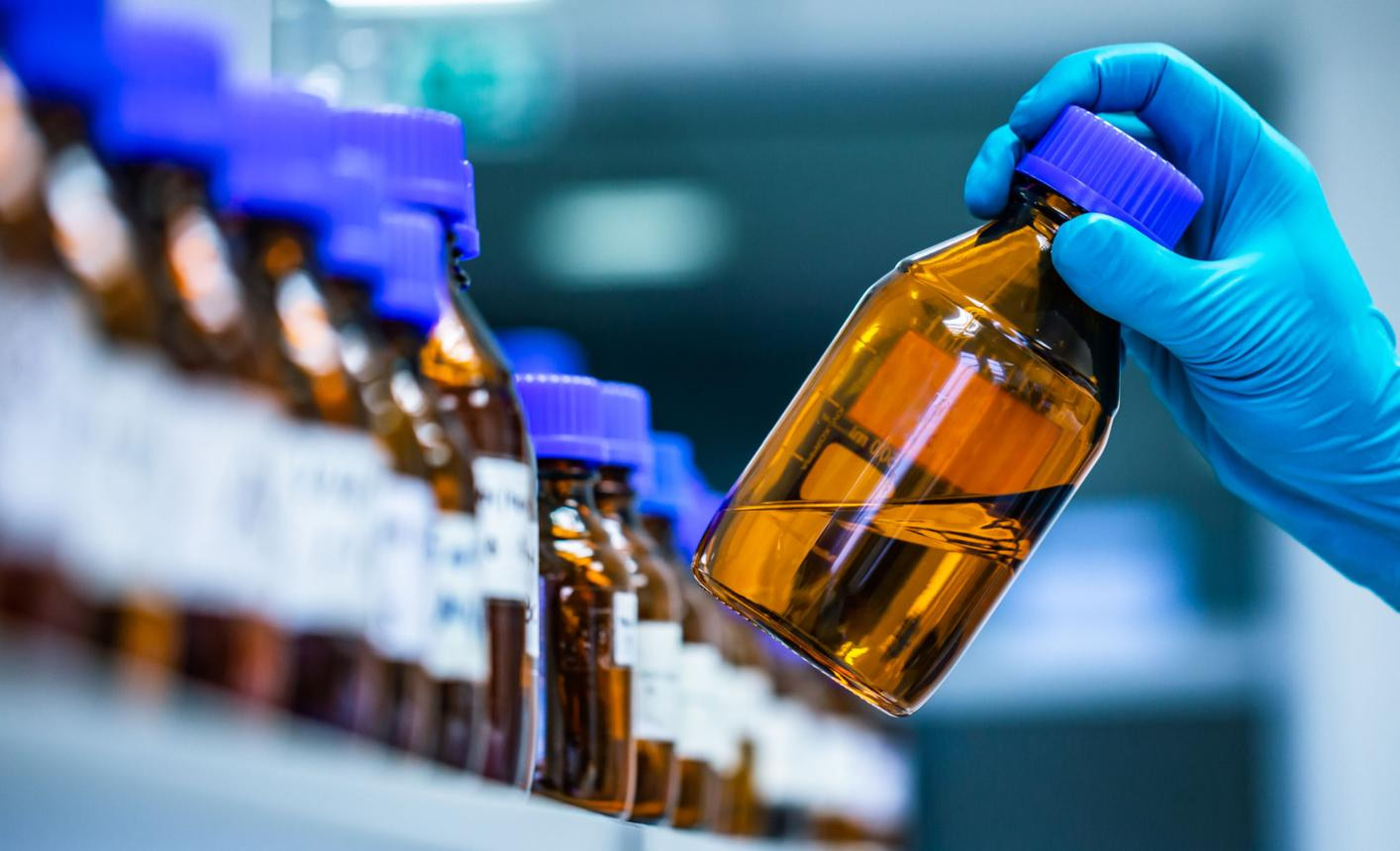
Empty pharmacy shelves have become a recurring feature of European winters, with antibiotics, insulin and even basic painkillers vanishing from supply at the worst possible moments. After years of patients and pharmacists improvising around these gaps, the Union has finally turned frustration into legislation. In May, the Parliament and Council struck a provisional deal on the Critical Medicines Act, a regulation designed to make repeated shortages of essential drugs the exception rather than the seasonal norm.
The diagnosis behind the law is straightforward. Decades of cost-cutting pushed the manufacture of many medicines and their active ingredients to a handful of plants, often outside the bloc. When one factory stumbles or a single exporting country restricts shipments, the shock ripples across the continent. The new rules attack that fragility on three fronts: diversifying supply chains, making it easier for governments to buy together, and rebuilding manufacturing capacity for critical medicines and their ingredients closer to home.
Joint procurement is where the deal sharpens the Commission’s original hand. Negotiators cut the number of member states required to request that the Commission buy on their behalf from nine down to five, lowering the bar for collective action. Contracting authorities will also have to apply resilience requirements when purchasing critical medicines, looking beyond the lowest price to whether a supplier can actually deliver in a crisis. For products heavily dependent on a single third country, buyers will be able to use flexible options to favour European manufacturing.
The treatment of contingency stocks reflects a hard lesson from the pandemic, when national hoarding left neighbours exposed. Any stockholding requirements must be transparent and respect the principles of solidarity and proportionality, and crucially, a government building reserves cannot do so in a way that drains supply from other member states. When a call for solidarity is triggered through the Voluntary Solidarity Mechanism, capitals will share up-to-date information on stocks available for reallocation, turning a patchwork of national cupboards into something closer to a shared pantry.
Industry and regulators have broadly welcomed the agreement, and supporters in Parliament have gone as far as to promise an end to critical shortages once and for all. That confidence deserves scrutiny. Reshoring production is expensive, and the law leans more on incentives than mandates, so whether manufacturers actually return depends on the money and predictability that follow. Building resilience into procurement may also raise prices for cash-strapped health systems, a trade-off rarely advertised in the celebratory press releases.
There is a global dimension too. Analysts have warned that if Europe prioritises its own supply and pulls manufacturing inward, lower-income regions that rely on the same factories could find themselves further back in the queue. A bloc that frames medicine security as a matter of strategic autonomy will have to reconcile that ambition with its claims to global health solidarity.
For now, the Critical Medicines Act marks a genuine shift from diagnosis to action, moving a problem that patients feel acutely out of crisis-management mode and into binding law. Whether it delivers the resilience it promises will be measured not in this year’s headlines but in whether next winter’s shelves stay stocked.