Brussels: The Brussels-Capital Region’s public transport operator is in the middle of its largest infrastructure cycle since the original metro network opened in 1976. Between 2019 and 2030, the Société des Transports Intercommunaux de Bruxelles, known as STIB-MIVB, is delivering an investment programme of more than seven billion euros, encompassing fleet renewal, electrification, line extensions and the construction of a new north-south metro axis. The pace of delivery is now visible across the network.
The most significant single project is Metro Line 3, the new north-south axis that will connect Albert in Forest to Bordet in Evere via a re-engineered section through the city centre and a new tunnel under Schaerbeek. The southern section, which converts the existing pre-metro tram tunnel into a full metro alignment, will be operated using the M7 series of metro trains that STIB has progressively introduced into commercial service. The construction calendar has been adjusted multiple times in response to engineering and budgetary complications, particularly in the northern section, where the tunnel runs through dense urban fabric and challenging subsoils.
The tram network is expanding in parallel. A six kilometre extension of route 62 from the Eurocontrol terminus to Brussels Airport is scheduled to open in 2026, financed by the Flemish regional infrastructure agency De Werkvennootschap but operated by STIB as an integrated part of the urban network. The line is designed to deliver a journey of approximately thirty minutes between the central station of Brussels-Nord and the airport terminal, with cycle infrastructure integrated along the alignment. The project illustrates a rare case of cross-regional cooperation in a country where transport competences are heavily devolved, with each region operating its own public transport company.
A second tram extension, line 10 to the northern neighbourhood of Neder-Over-Heembeek, broke ground in January 2025. The 9.6 kilometre route will use existing infrastructure from Rogier to Van Praet and add 5.5 kilometres of new alignment to a district that has historically suffered from poor public transport connections. A third project, the Tour & Taxis tram line, is planned to connect the redeveloped industrial site in the canal area to the central network. Together with the metro extension, these projects respond to a sustained shift in passenger volumes that has placed the existing infrastructure under increasing strain.
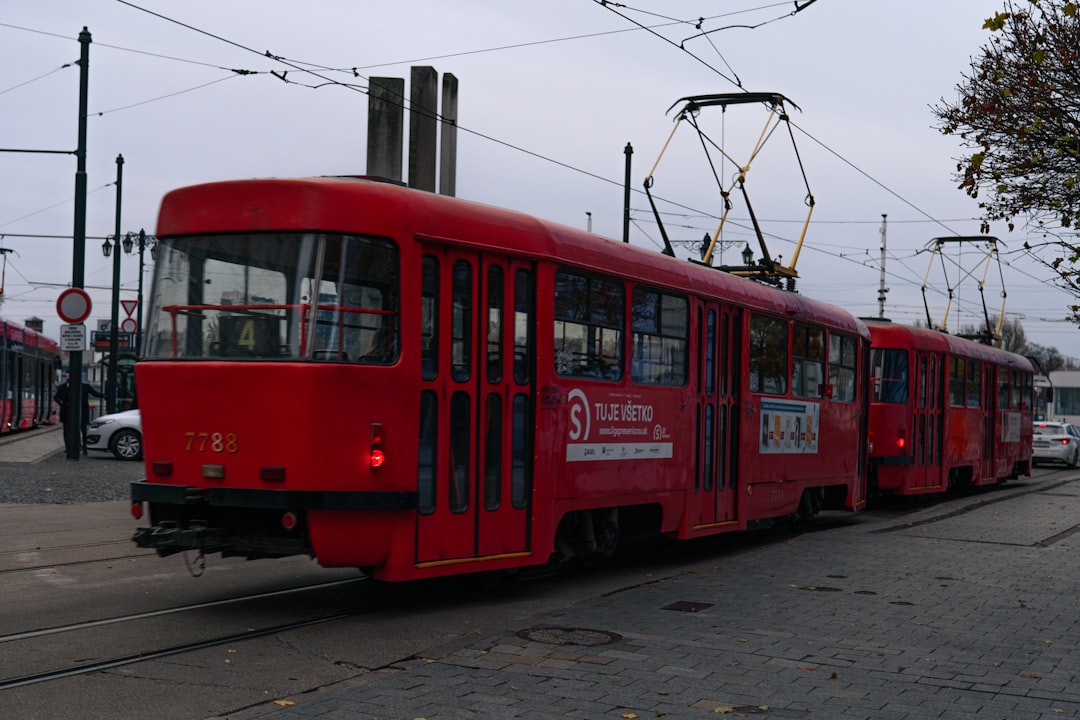
Fleet investment underpins the line expansions. The Tram New Generation, introduced commercially in 2023, will reach ninety units by 2026. These low-floor trams, longer than the previous generation and equipped with modern accessibility features, are replacing older rolling stock that dates from the 1990s and 2000s. On the metro side, the M7 trains have progressively replaced the original orange units that have served the network since 1976. Buses are being electrified in stages, with full conversion of selected depots already operational and a target of a fully zero-emission urban bus fleet within the current decade.
Ticketing has evolved alongside the physical infrastructure. The Brupass and Brupass XL packages, valid across STIB, the federal rail operator SNCB-NMBS, the Flemish operator De Lijn and the Walloon operator TEC within the Brussels-Capital Region and an 11.5 kilometre ring beyond it, integrate four operators into a single fare structure. Contactless bank card payment on buses, trams and metro gates, alongside the STIB-MIVB application and the multi-modal Floya application, has reduced reliance on paper tickets and accelerated the digitalisation of the customer journey.
Three structural questions remain open. The first concerns the financing of long-term operating costs once the major infrastructure projects are delivered, in a region whose budget is constrained. The second concerns the integration of mobility services across the linguistic and administrative borders of the metropolitan area. The third concerns the resilience of the network to the climatic, demographic and behavioural shifts that the next decade will bring. STIB’s investment programme buys capacity. Its translation into a sustainably operated and accessible network will depend on choices that extend beyond engineering.