Ten percentage points look like a rounding error until you work out what they permit. The European Commission proposed in December 2025 to replace the requirement that new cars emit no carbon dioxide from 2035 with a 90 percent reduction, and that single change decides whether combustion engines disappear from European showrooms or survive in a licensed niche.
Carmakers asked for the flexibility and largely received it. The revision of the CO2 standards for cars and vans also softens the 2030 target by averaging compliance across 2030, 2031 and 2032, and it grants credits for small battery electric models built in Europe. Manufacturers argue that a fleet target missed by a few months should not trigger penalties running into billions, and that European production incentives answer a real problem, since the cheapest electric cars on the market arrive from China.
Environmental analysts read the same text and count the vehicles it lets through. Transport and Environment calculates that the averaging device and the credits cut the expected battery electric share in 2030 from around 57 percent to roughly 47 percent, and that the 2035 change lowers the electric share at that date from complete to about 85 percent. Its analysis of the proposal also warns that the outcome depends heavily on which powertrains manufacturers choose, leaving a wide band of possible results rather than a predictable trajectory.
Parliament has not settled. The rapporteur’s draft report, published in April, proposed amendments that would loosen the framework further, and the committee stage has attracted amendment counts that suggest a long autumn. The political groups split roughly along the lines they took in 2022, except that the centre-right has moved and the automotive industry now argues from a weaker commercial position rather than a stronger one.
Supplier firms sit uncomfortably in the middle. Component makers who invested in electric drivetrains on the strength of the 2035 date now face a market that may not materialise on schedule, and several have said publicly that regulatory reversal costs them more than regulatory severity. Charging network operators make the same complaint in sharper terms, because their business plans depend on vehicle numbers that legislators keep revising.
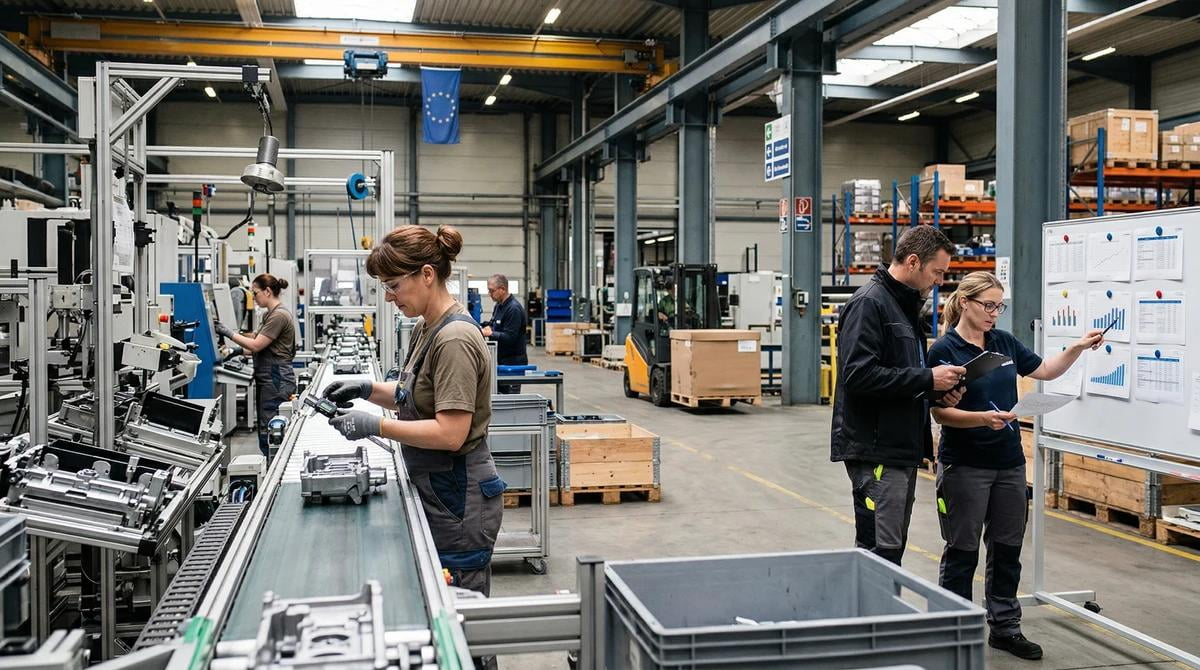
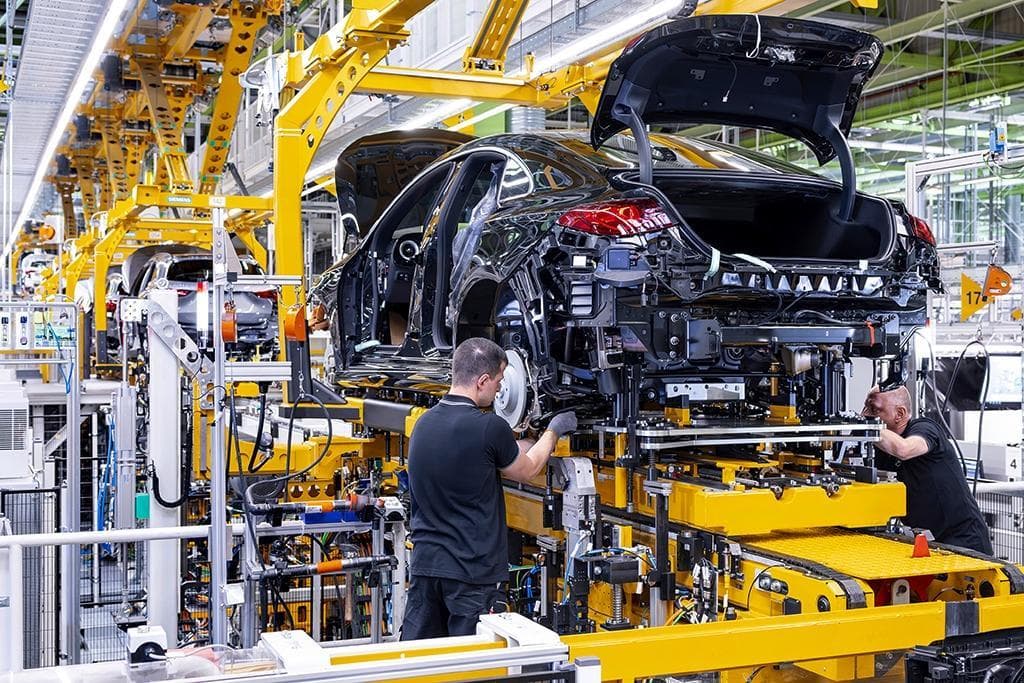
The counterargument deserves a hearing. European car plants have shed jobs, Chinese manufacturers have taken share in the segments that matter most, and a mandate that pushes buyers toward vehicles they cannot afford risks collapsing demand rather than shifting it. Governments in central Europe with large assembly footprints make that case forcefully, and they are not obviously wrong about the employment arithmetic in the short term.
What the file cannot deliver is certainty. Every revision teaches manufacturers that targets move when pressure builds, and that lesson shapes investment more than any individual percentage. A firm that expects the 90 percent figure to become 80 percent in the next review will plan accordingly, and Europe will get neither the industrial transition it legislated for nor the combustion market it quietly preserved.
The Council has its own position to fix, and trilogues will not begin in earnest before the winter. Between now and then the argument will run on two tracks that rarely meet. One concerns climate accounting and the road transport share of European emissions. The other concerns whether Europe still builds cars people buy. The compromise that emerges will answer the second question far more clearly than the first.