Every time a phone finds a location, a ship holds a course or a power grid syncs its clocks, Europe leans on a constellation it spent two decades building to avoid depending on anyone else. Keeping that independence alive is the quiet logic behind the EU’s latest space contracts, which bind the next generation of the Galileo satellite-navigation system ever more tightly to a single European rocket.
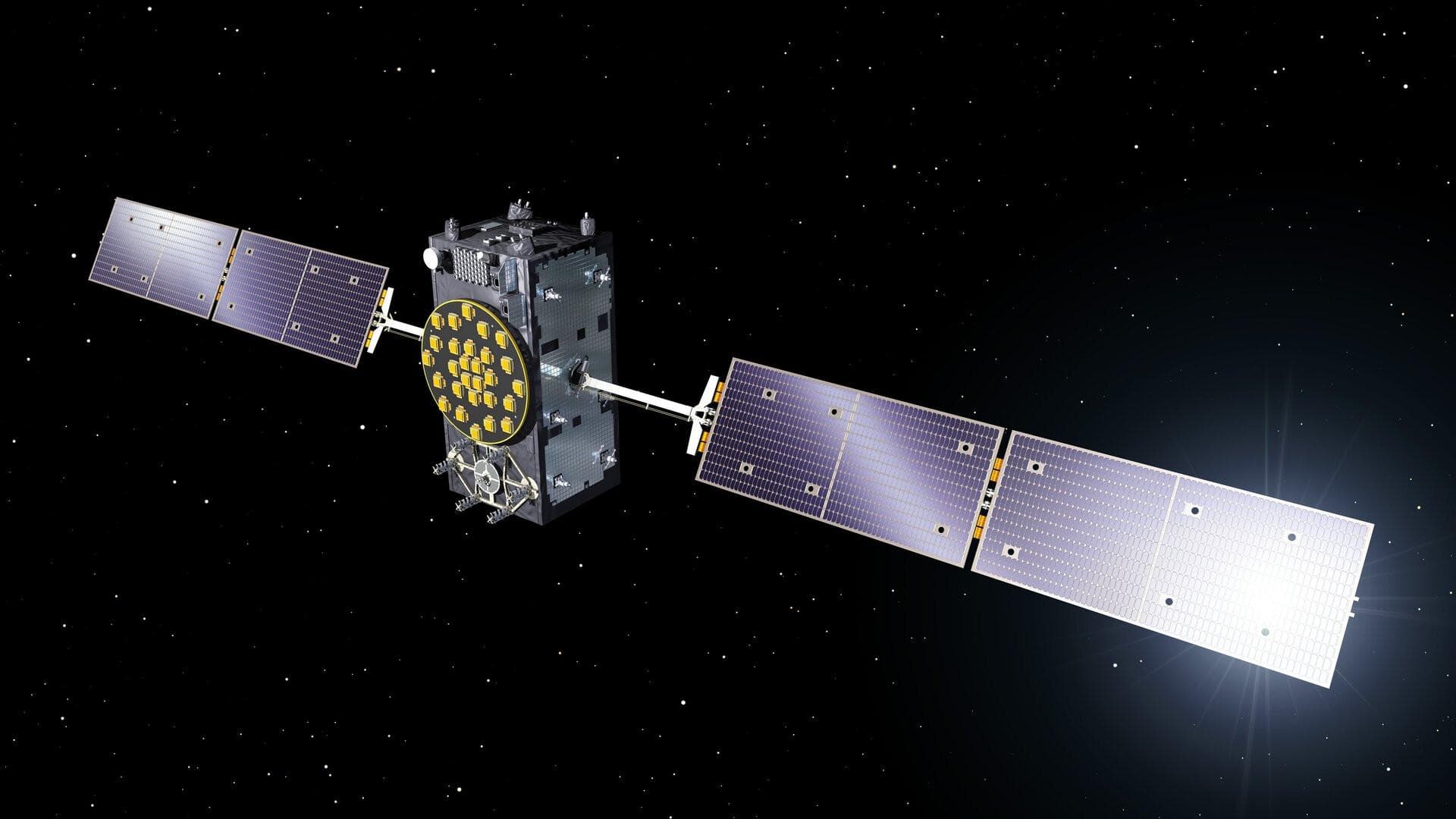
The EU Agency for the Space Programme has signed a fresh launch agreement with Arianespace to deploy the next pair of Galileo Second Generation satellites, known as Galileo L18, aboard an Ariane 6. The deal, concluded under delegation from the Commission, builds on the first second-generation launch agreement struck in 2024. It will be Ariane 6’s fifth Galileo mission, following the rocket’s debut Galileo flight on 17 December 2025, which placed the L14 pair into orbit.
The strategic point is access. For years Europe’s heavy payloads, including Galileo, flew on foreign rockets after its own launchers were grounded or retired, an uncomfortable dependence for systems sold as sovereign infrastructure. Anchoring Galileo to Ariane 6 is meant to guarantee what officials call autonomous access to space, the ability to put critical satellites in orbit on European terms, on European schedules, without asking a competitor for a ride.
Galileo is only half the ambition. The bloc is also pressing ahead with IRIS2, the secure connectivity constellation of 264 low-orbit and 18 medium-orbit satellites intended to give governments encrypted communications resilient to jamming and outage. Its launch manifest leans heavily on European hardware, including a planned run of Ariane 64 flights, with first launches expected toward the end of the decade and initial government services around 2030. A bridge programme, GOVSATCOM, became operational in January 2026, and Norway and Iceland signed on to both efforts in March.
The strategy is not without its sceptics. IRIS2 has drawn criticism for cost and for the heavy role of private contractors in what is sold as public infrastructure, with analysts questioning whether a constellation that begins full service only around 2030 can keep pace with commercial mega-constellations already in orbit. Tying so much to Ariane 6, a vehicle still proving its cadence, concentrates risk: a single launcher means a single point of failure if its schedule slips.
Supporters counter that the alternative, renting capacity from non-European providers, would hollow out the very sovereignty these programmes exist to protect. A navigation signal or a secure government link is not a service Europe wants to lease from a rival in a crisis. The premium paid for an all-European supply chain, in this view, is insurance, not waste.
The coming months will test which reading is right. Watch whether Ariane 6 holds its launch rhythm across the Galileo manifest, whether IRIS2’s contractors keep to a timetable that has already slipped once, and whether more states follow Norway and Iceland into the fold. Europe has decided that knowing where you are, and being able to talk securely once you get there, are capabilities it cannot afford to outsource. The hard part, as ever in space, is delivery.