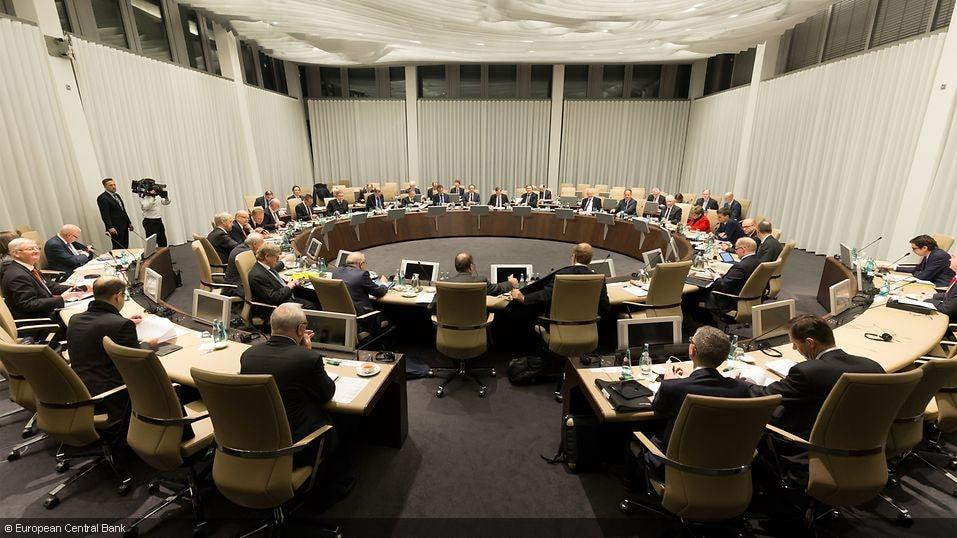
Energy did the damage, and ECB rates will probably pay for it on Thursday. Eurostat’s flash estimate put euro area inflation at 3.3 percent in August, up from 2.9 percent in July and the highest reading of the year, according to the agency’s release on 1 September. The Governing Council meets on 10 September, and markets have already priced a quarter-point increase that would lift the deposit rate to 2.50 percent.
The composition of that number matters far more than the headline. Energy prices climbed 14.3 percent over the year to August, accelerating from 10.3 percent in July, as the war in Iran and disruption to shipping through the Strait of Hormuz drove oil and gas higher. Services inflation moved the other way, easing from 3.3 to 3.0 percent, and services are the component the Council watches for evidence that price pressure has lodged itself in wages and margins.
That split hands policymakers an argument with themselves. Textbook practice says a central bank looks through an energy shock, because higher rates cannot produce more crude and the price effect drops out of the annual comparison twelve months later. The counter-case, which several Council members now press, holds that Europe has absorbed two energy shocks inside five years. Each one teaches wage bargainers and price setters that headline inflation always comes back, and expectations set that way do not unwind on a schedule.
The bank has already moved once on that logic. It raised rates in June for the first time in three years, then held in July while making clear it would go further if energy pressure persisted. Persisting is exactly what the August print shows. A hold on Thursday would now read as a signal in its own right, which is why the meeting carries more weight than the twenty-five basis points at stake.
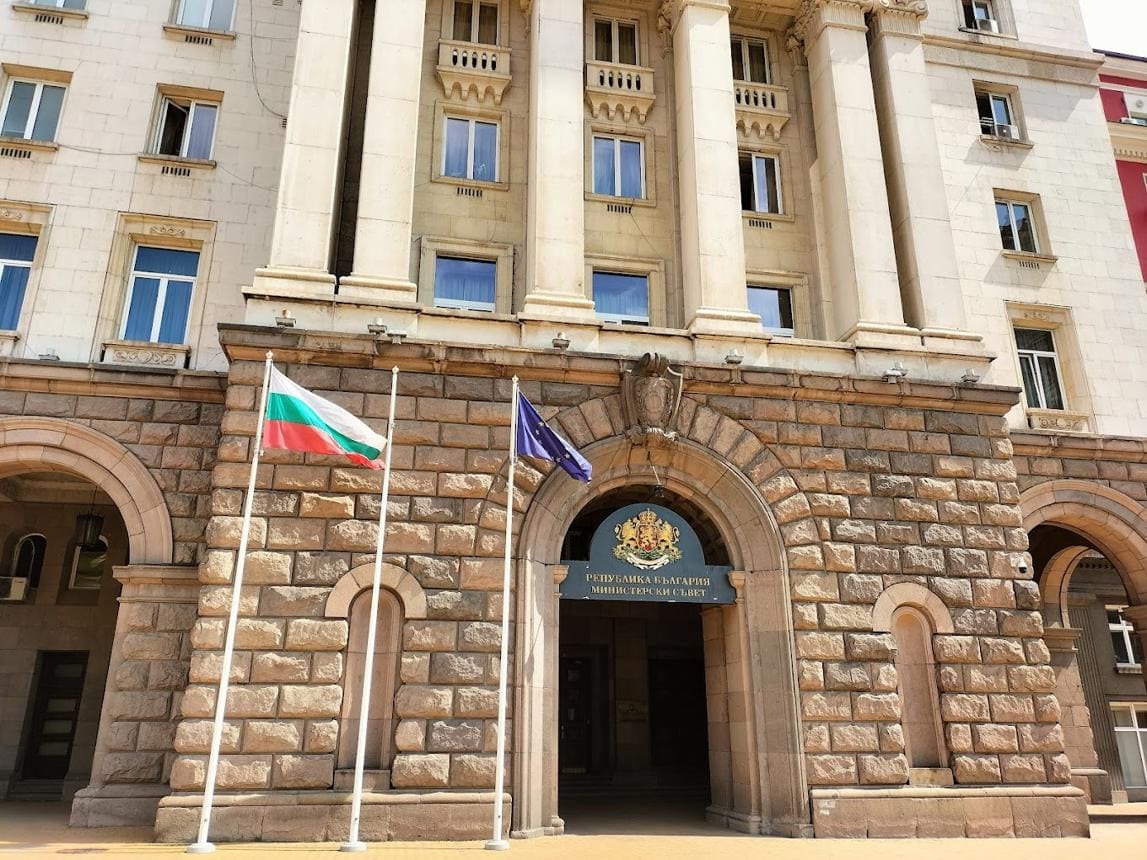
Finance ministries follow this closely for reasons that have nothing to do with inflation. The Council opened an excessive deficit procedure against Bulgaria on 10 July, with a 2026 deficit projected at 4.1 percent of output and no return below the three percent line expected in 2027, and it opened one against Finland in January. Governments under correction must now finance their adjustment at prices set by a tightening cycle nobody in a finance ministry asked for.
The Council is also running a second project on a parallel track. Its public survey on digital euro design closes on 21 September, and the European Parliament is expected to vote on the legislative framework during this year, with issuance possible around 2029. Designing a new form of public money while raising the price of the existing one is an unusual combination, and it puts a great deal of institutional attention on Frankfurt at once.
Watch three things on Thursday beyond the decision itself. The new staff projections will show whether the bank treats the energy spike as a 2026 problem or lets it bleed into the 2027 and 2028 profiles. The language on future meetings will show whether the Council has abandoned the meeting-by-meeting formula it has used since the easing cycle ended. And the tone on services will reveal how much comfort policymakers take from a component that is, on the only evidence available, cooling while everything else heats up.