Stockholm: Few corners of finance carry as much baggage as securitisation, the practice of bundling loans into tradable securities that became a byword for the 2008 crash. Yet Brussels is now betting that a carefully rebuilt version of exactly this market can help solve one of Europe’s most stubborn problems, which is that its households save enormously and invest those savings badly.
The vehicle is the Savings and Investments Union, the successor to the long-stalled Capital Markets Union project. Its diagnosis is blunt. European families hold trillions of euros in low-yielding bank deposits while European companies, starved of equity and venture funding, look across the Atlantic for capital. The Union’s aim is to build the plumbing that moves domestic savings into domestic investment. A reform of the securitisation rulebook sits close to the centre of that plan.
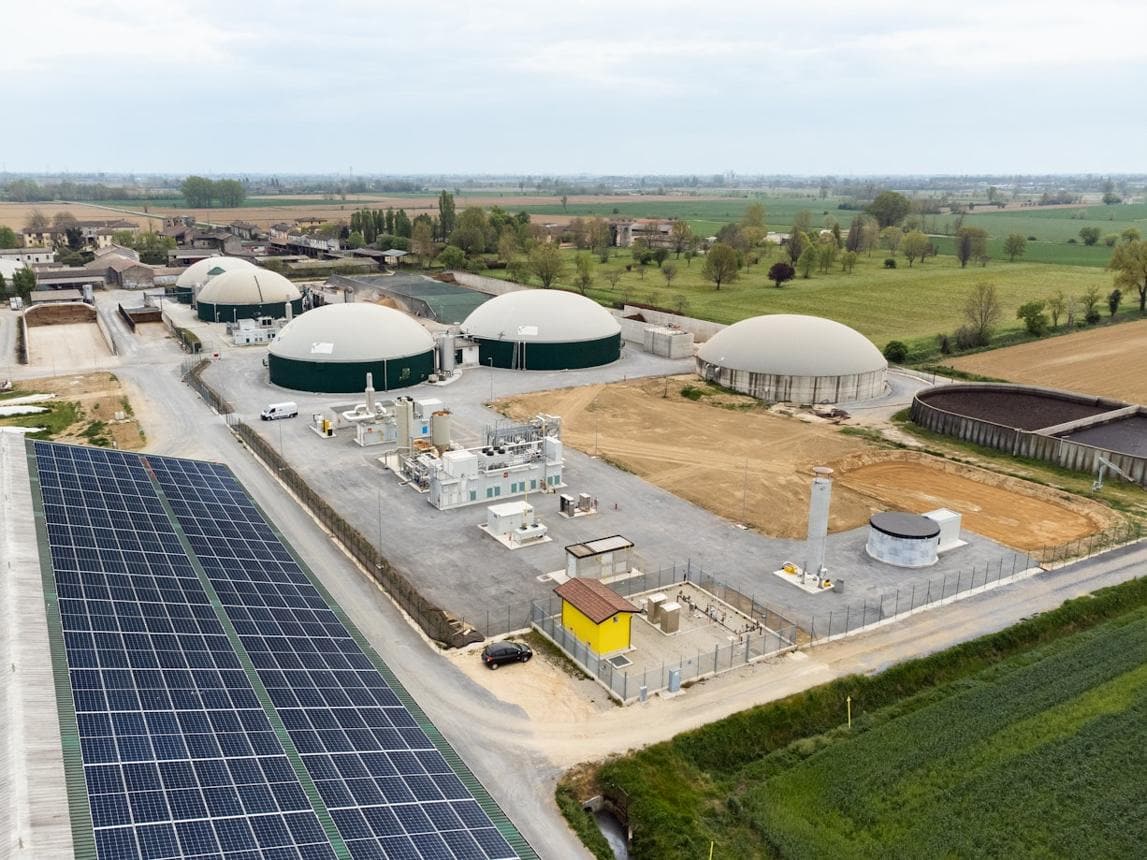
The logic runs through the banks. When a lender can package mortgages or business loans and sell them on, it frees room on its balance sheet to lend again. Supporters argue that a deeper, more standardised securitisation market would let European banks recycle capital toward the small firms and clean-energy projects that struggle to raise money today. The Commission’s package proposes lighter capital charges for the safest, most transparent deals and simpler disclosure, without reopening the door to the opaque instruments that failed so spectacularly a generation ago.
That reassurance is where the debate sharpens. Sceptics, including several supervisors, warn that every crisis-era loosening begins with a promise that this time the safeguards are real. They point out that risk does not vanish when a loan is sold, it merely moves, often toward investors and corners of the system that are harder to watch. If the appetite for yield outruns the discipline of the rules, the same dynamics that produced the last crash can quietly reassemble.
Why it matters reaches beyond bankers. Europe has committed to vast spending on defence, digital infrastructure and the energy transition at a moment when public budgets are stretched thin. Private capital is meant to fill much of the gap, and a functioning securitisation market is one of the few tools that could mobilise it at scale. If the reform works, credit flows more freely. If it is mispriced, taxpayers may again underwrite the losses.
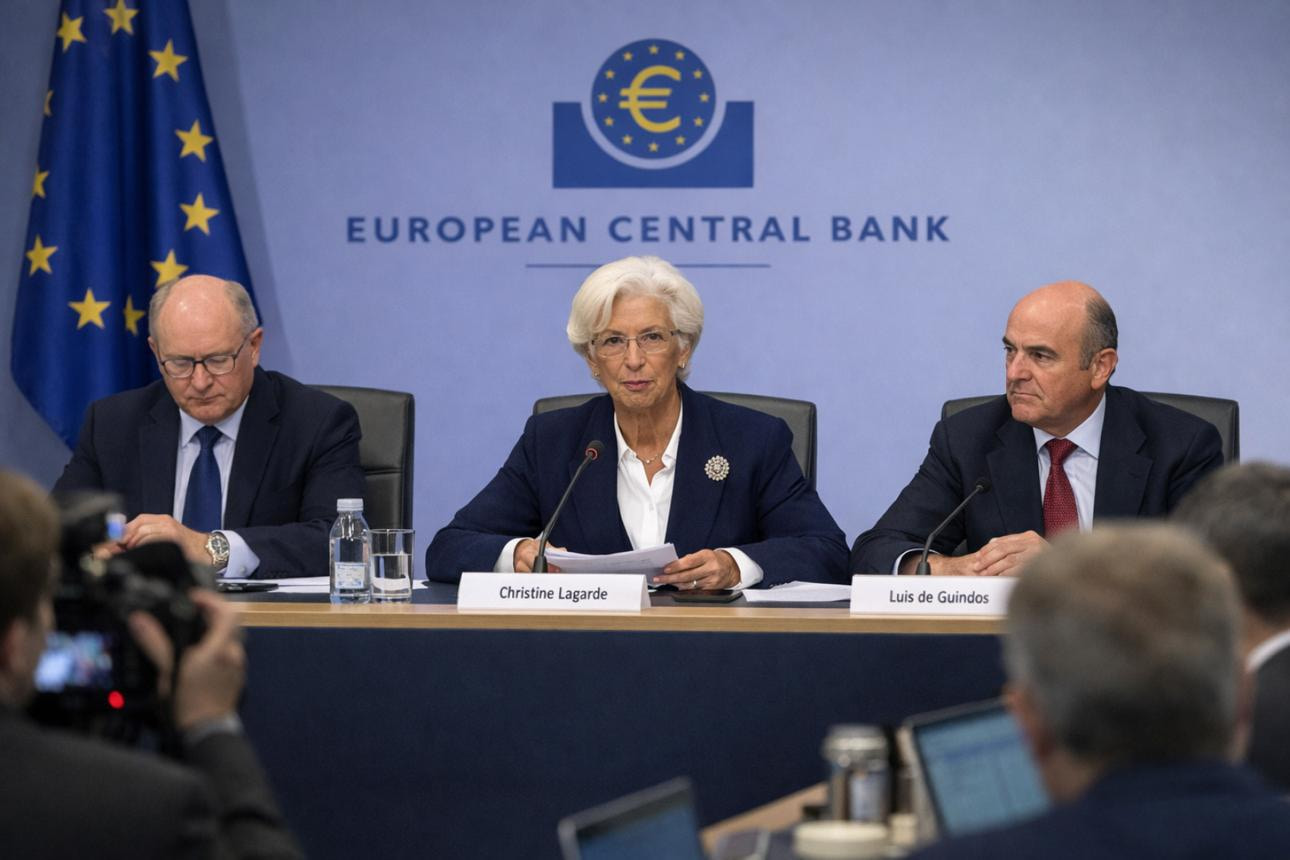
Who carries the plan forward is a coalition of the Commission, the European Central Bank and finance ministries that have grown more willing to act after years of drift. Resistance comes from those who remember 2008 most vividly and from smaller states wary of a market dominated by the largest financial centres.
What comes next is negotiation between Parliament and member states over how far the capital relief should go and how tightly transparency should bind. The measure of success will not be the volume of deals but whether the revived market channels money to productive investment rather than to the next speculative cycle.