Leuven: Ask a student in Bologna or Lyon what degree they hold and the answer is straightforward. Ask what a genuinely European degree would mean and the conversation quickly tangles in twenty-seven different legal traditions. For years that tangle has been the quiet obstacle to one of the Union’s favourite ambitions: a single qualification that belongs to Europe rather than to any one country. Now, slowly, the idea is inching from rhetoric toward reality.
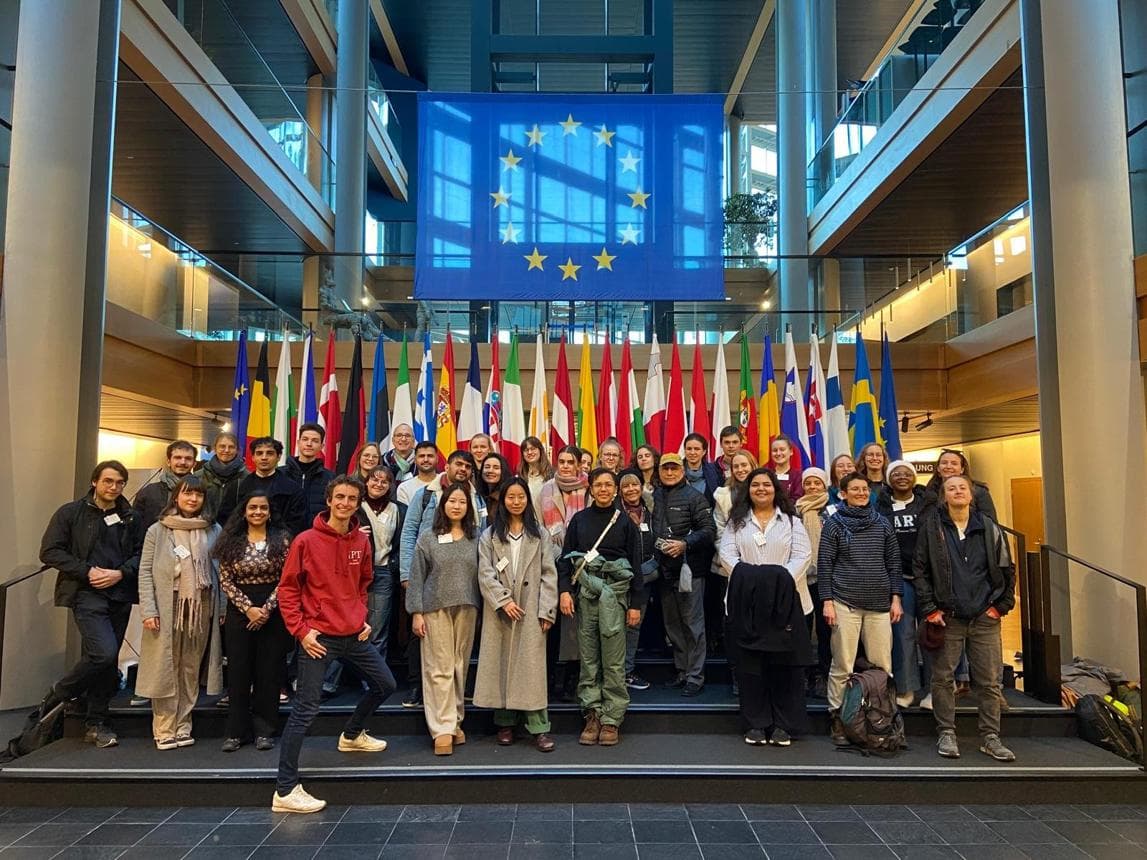
The push builds on the European Universities alliances, clusters of institutions across several countries that already pool courses, share campuses and send students between them. More than sixty such alliances now exist, binding together hundreds of universities, and they have run into the same wall again and again. Students can study across borders, but the diploma at the end is still stitched together from separate national degrees, each with its own accreditation, its own quality checks and its own legal status. The Commission’s blueprint for a European Degree is meant to dissolve that wall by creating a common label, awarded against shared criteria, that every member state would recognise automatically.
The appeal is obvious to anyone who has watched talented graduates leave for the United States. A continent-wide qualification would make it easier to study in several countries, easier for employers to compare candidates and easier for Europe to market itself as a single academic destination rather than a fragmented collection of systems. Backers frame it as part of the wider effort to keep and attract researchers, a companion to the funding schemes designed to lure scientists who might otherwise build their careers elsewhere.
Resistance runs deep, and it is not merely bureaucratic. Education remains a jealously guarded national competence, and several governments see any European label as a foot in the door toward Brussels meddling in classrooms, curricula and the prized autonomy of their universities. Accreditation agencies worry about who would set and police the standards. Some academics fear a race to the bottom, in which a glossy European stamp papers over real differences in quality. Others ask the blunt question of whether employers will actually value the new credential or simply ignore it.
The Commission insists it is offering a voluntary path, not a mandate, and that universities and countries can opt in as they grow comfortable. Pilot projects are already testing what a joint qualification might look like in practice, from engineering to teacher training. The early signs suggest the demand is real, particularly among the alliances that have done the hard work of aligning their courses. Whether that momentum survives contact with national ministries is another matter. The European Degree may end up as the rare Brussels initiative that succeeds not by force of regulation but by quiet adoption, one alliance and one cohort at a time, until a qualification that once sounded impossible simply becomes ordinary.