August 9, 2026
LATEST
New EU Gas Market Rules Take Effect With Consumer SafeguardsDeforestation Regulation Holds Its December Deadline Despite CutsDigital Omnibus Delays Europe’s High-Risk AI Deadline to 2027Europe’s Schools Confront a Widening Basic Skills GapRule of Law Report Finds Progress but Trust Still LagsIRIS2 Gains 66 Satellites as Brussels Signs the Rollout DealNature Restoration Plans Come Due as Member States Race a DeadlineECB Rates Hold at 2.25 Percent as Frankfurt Waits on the DataEU Budget Talks Turn to Cohesion as Ireland Takes OverWildfire Response Stretches Europe’s Emergency Fleet ThinCan Europe’s Quantum Plan Match Its Big Ambitions?Armenia Edges West as Moscow’s Grip Slips AwayEurope Inherits the World’s Aid Bill It Cannot Fully PayAir Passenger Rights Get Their First Overhaul in Two DecadesErasmus Opens a 5 Billion Euro Round for Skills and MobilityCeuta Crisis Pushes the EU Toward Faster Migrant ReturnsBulky Parcels Face a Packaging Crackdown From August 12Can Europe Build Its Drone Wall Before 2030 Arrives?Indonesia’s Trade Deal With Europe Nears Its Final SignatureEurope Leans on Beijing to Keep Climate Talks Alive Before AntalyaNew EU Gas Market Rules Take Effect With Consumer SafeguardsDeforestation Regulation Holds Its December Deadline Despite CutsDigital Omnibus Delays Europe’s High-Risk AI Deadline to 2027Europe’s Schools Confront a Widening Basic Skills GapRule of Law Report Finds Progress but Trust Still LagsIRIS2 Gains 66 Satellites as Brussels Signs the Rollout DealNature Restoration Plans Come Due as Member States Race a DeadlineECB Rates Hold at 2.25 Percent as Frankfurt Waits on the DataEU Budget Talks Turn to Cohesion as Ireland Takes OverWildfire Response Stretches Europe’s Emergency Fleet ThinCan Europe’s Quantum Plan Match Its Big Ambitions?Armenia Edges West as Moscow’s Grip Slips AwayEurope Inherits the World’s Aid Bill It Cannot Fully PayAir Passenger Rights Get Their First Overhaul in Two DecadesErasmus Opens a 5 Billion Euro Round for Skills and MobilityCeuta Crisis Pushes the EU Toward Faster Migrant ReturnsBulky Parcels Face a Packaging Crackdown From August 12Can Europe Build Its Drone Wall Before 2030 Arrives?Indonesia’s Trade Deal With Europe Nears Its Final SignatureEurope Leans on Beijing to Keep Climate Talks Alive Before Antalya
August 9, 2026
LATEST
New EU Gas Market Rules Take Effect With Consumer SafeguardsDeforestation Regulation Holds Its December Deadline Despite CutsDigital Omnibus Delays Europe’s High-Risk AI Deadline to 2027Europe’s Schools Confront a Widening Basic Skills GapRule of Law Report Finds Progress but Trust Still LagsIRIS2 Gains 66 Satellites as Brussels Signs the Rollout DealNature Restoration Plans Come Due as Member States Race a DeadlineECB Rates Hold at 2.25 Percent as Frankfurt Waits on the DataEU Budget Talks Turn to Cohesion as Ireland Takes OverWildfire Response Stretches Europe’s Emergency Fleet ThinCan Europe’s Quantum Plan Match Its Big Ambitions?Armenia Edges West as Moscow’s Grip Slips AwayEurope Inherits the World’s Aid Bill It Cannot Fully PayAir Passenger Rights Get Their First Overhaul in Two DecadesErasmus Opens a 5 Billion Euro Round for Skills and MobilityCeuta Crisis Pushes the EU Toward Faster Migrant ReturnsBulky Parcels Face a Packaging Crackdown From August 12Can Europe Build Its Drone Wall Before 2030 Arrives?Indonesia’s Trade Deal With Europe Nears Its Final SignatureEurope Leans on Beijing to Keep Climate Talks Alive Before AntalyaNew EU Gas Market Rules Take Effect With Consumer SafeguardsDeforestation Regulation Holds Its December Deadline Despite CutsDigital Omnibus Delays Europe’s High-Risk AI Deadline to 2027Europe’s Schools Confront a Widening Basic Skills GapRule of Law Report Finds Progress but Trust Still LagsIRIS2 Gains 66 Satellites as Brussels Signs the Rollout DealNature Restoration Plans Come Due as Member States Race a DeadlineECB Rates Hold at 2.25 Percent as Frankfurt Waits on the DataEU Budget Talks Turn to Cohesion as Ireland Takes OverWildfire Response Stretches Europe’s Emergency Fleet ThinCan Europe’s Quantum Plan Match Its Big Ambitions?Armenia Edges West as Moscow’s Grip Slips AwayEurope Inherits the World’s Aid Bill It Cannot Fully PayAir Passenger Rights Get Their First Overhaul in Two DecadesErasmus Opens a 5 Billion Euro Round for Skills and MobilityCeuta Crisis Pushes the EU Toward Faster Migrant ReturnsBulky Parcels Face a Packaging Crackdown From August 12Can Europe Build Its Drone Wall Before 2030 Arrives?Indonesia’s Trade Deal With Europe Nears Its Final SignatureEurope Leans on Beijing to Keep Climate Talks Alive Before Antalya

After Years Of Empty Shelves Europe Moves To Make Its Own Drugs

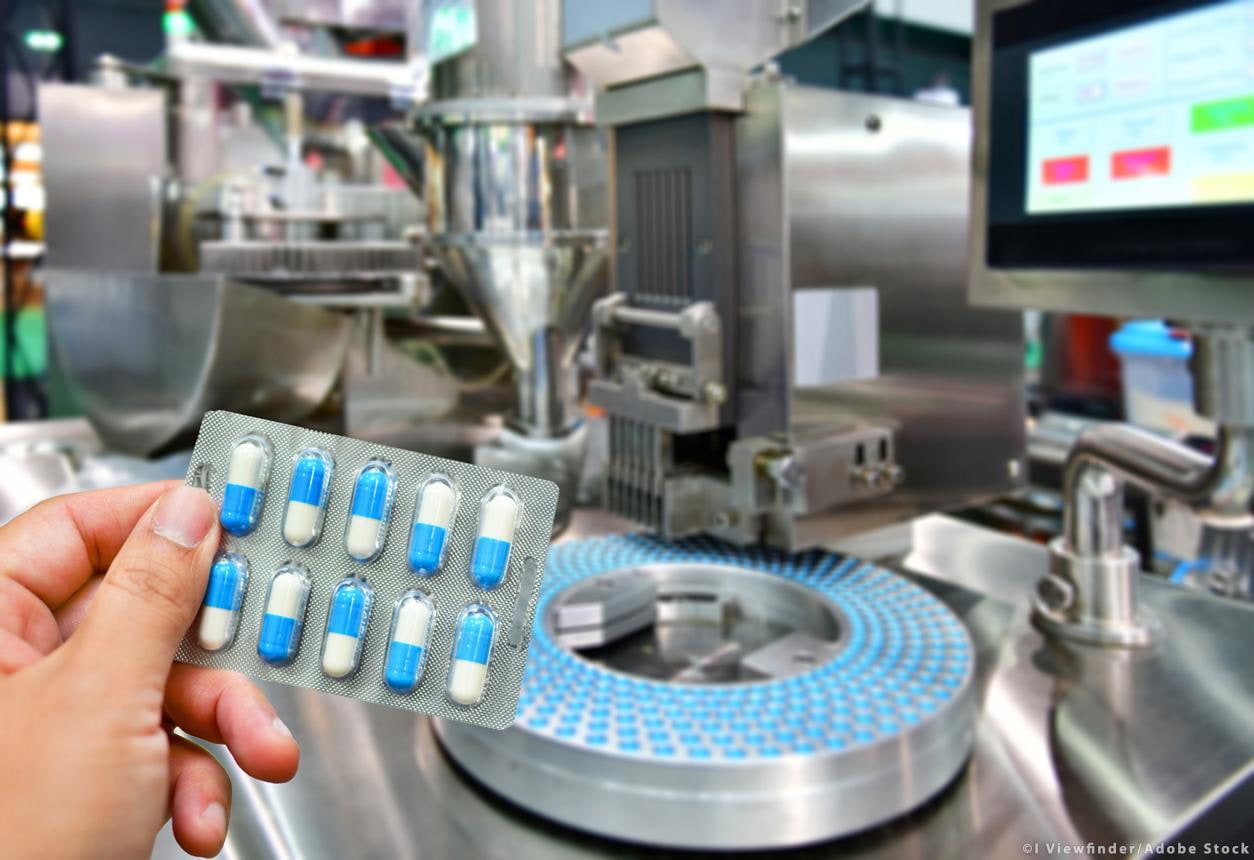
Cork: Anyone who has stood at a pharmacy counter and been told that the antibiotic their child needs is simply not available understands that medicine shortages are not a statistic. They are a parent driving between three towns at night, a cancer patient rationing a generic that suddenly vanished, a hospital quietly rewriting treatment plans around what it can actually get. For years Europe treated these episodes as bad luck. It has now decided they are a structural failure worth legislating against.

In the early hours of 12 May, after the kind of marathon negotiation that has become routine in Brussels, Parliament and Council struck a provisional deal on the Critical Medicines Act. The law is the bloc’s most direct admission yet that decades of chasing the cheapest possible pill carried a hidden price. The active ingredients in many everyday drugs, from common antibiotics to painkillers, are now made in a handful of factories concentrated largely in Asia. When one plant stutters, the shortage ripples across an entire continent that long ago stopped making the basics itself.

The Act tries to bend that logic without pretending Europe can manufacture everything at home. Its core move is to reward supply-chain resilience instead of price alone. Public buyers of critical medicines will be pushed to weigh things that never used to count in a tender, such as whether a supplier keeps reserve stock, sources its ingredients from more than one country, or can be monitored when trouble starts. Manufacturers willing to invest in European production of the most fragile medicines and their raw components stand to gain. The hope is to make a factory in Europe a defensible business rather than an act of charity.

Just as important is what the law does to the way governments buy. Smaller member states have spent years discovering that, on their own, they are minnows facing global suppliers. The Act lets countries band together to procure jointly, and the negotiators lowered the threshold for triggering such a scheme from nine member states to five. A cluster of mid-sized health systems pooling their orders carries weight that none of them commands alone, and that collective muscle is precisely what a market dominated by a few producers tends to respect.

None of this is a switch that flips overnight. The text still needs formal endorsement and is unlikely to appear in the Official Journal before the end of the year, with its full effect arriving later still. Reshoring a supply chain is the work of years and serious money, and the Act is careful not to promise that every drug will suddenly be made within the bloc. Critics note that resilience costs more than the lowest bid, and someone, eventually a health budget or a patient, pays for it.

Yet the direction is unmistakable. The pandemic taught Europe that a continent unable to make its own masks could find itself unable to make its own medicines, and the lesson has finally reached the statute book. The measure of success will not be a press release but something far more mundane: the day a parent walks into a pharmacy and the shelf is not bare.