Brussels: The European Commission is putting the finishing touches on the Electrification Action Plan, a document signalled for publication by the summer of 2026 that will sit at the heart of the bloc’s broader effort to translate the Clean Industrial Deal from communication into binding regulatory practice. The plan was first foreshadowed in the Clean Industrial Deal and the Action Plan for Affordable Energy adopted earlier in 2025, and energy ministries have been preparing for it through a stakeholder consultation cycle that drew unusually heavy participation from industry, grid operators and consumer organisations.
The headline architecture of the plan rests on a single key performance indicator: lifting electricity to 32 percent of final energy consumption by 2030, a step change from the present share of just under 23 percent. Reaching that figure would require the Union to absorb a significantly larger volume of clean generation while simultaneously reorganising demand-side use in industry, transport and buildings. Officials in the Berlaymont have been clear that the plan is not intended to introduce new headline targets beyond the 2030 number, but rather to identify the regulatory, market and infrastructure obstacles that currently slow the substitution of electrons for hydrocarbons in everyday energy use.
A great deal of the operational weight will rest on what the Commission has previewed as a new legislative proposal on network charges and taxation, expected in the course of May 2026. Officials in the energy directorate-general have argued for several months that the current tariff structures in many member states penalise electrification by loading taxes and levies onto the electricity bill while leaving gas and oil products comparatively lightly taxed. Adjusting this asymmetry has become one of the more politically delicate elements of the file, because it touches on revenue lines that national finance ministries have traditionally protected. Industrial federations have lobbied openly for the levies to be rebalanced so that the relative price signal supports the substitution path that the broader climate framework requires.
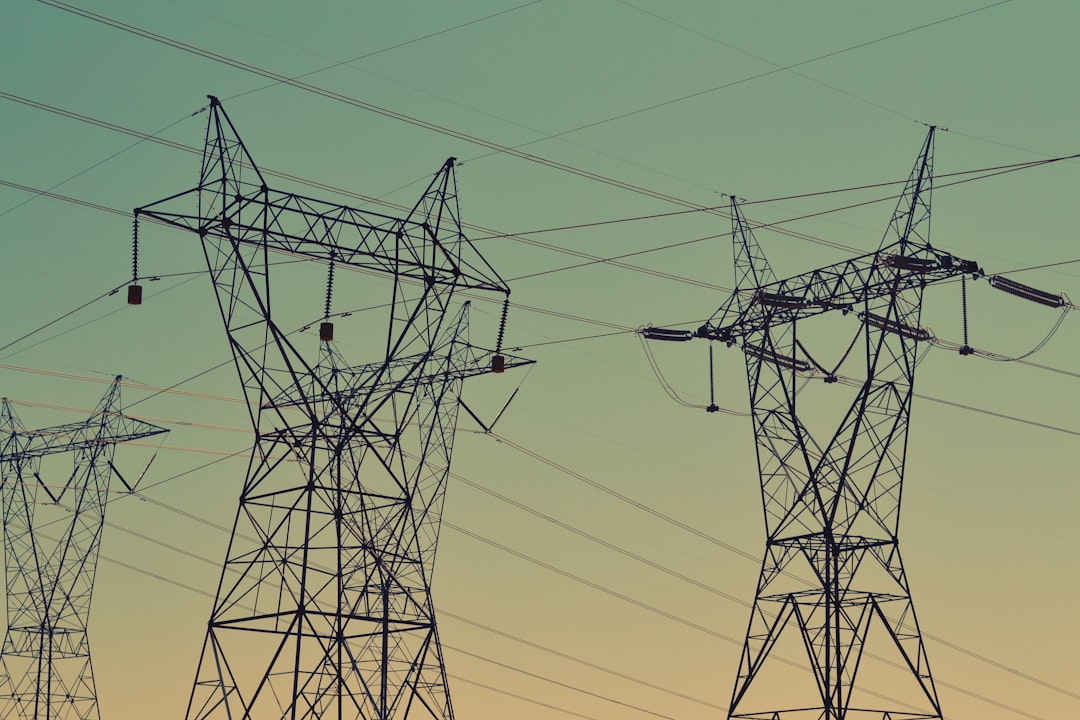
Parallel work is moving on the European Grids Package, where the Commission has called on co-legislators to conclude negotiations by the summer. Distribution networks face the most immediate pressure, with planners now anticipating that around 70 percent of the new renewable capacity to be connected by the end of the decade will arrive at the medium- and low-voltage layers rather than at the transmission backbone. That shift, combined with the surge in electric vehicles and heat pumps, has reopened questions about cost socialisation, anticipatory investment and the regulatory treatment of grid digitalisation that had previously been considered settled by national regulators. Member-state experts admit privately that the connection queues in several large markets have already begun to bind, with developers reporting waits that stretch well into the next decade for industrial projects in the multi-megawatt range.
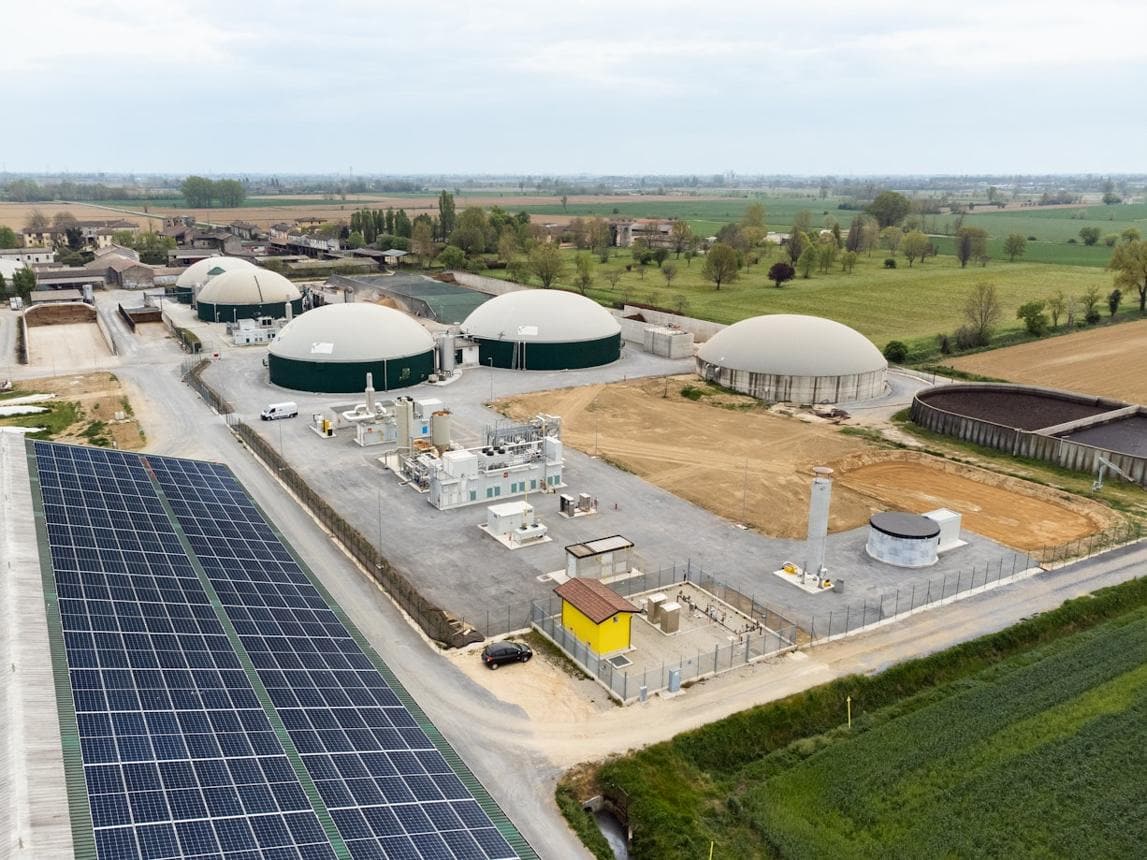
The plan also envisages a more deliberate push on heat pumps and other low-temperature solutions, with the Commission flagging the possibility of reduced value-added tax rates on heat pumps and stronger incentives for the recovery of industrial waste heat. Geothermal energy, biomethane and renewable hydrogen are expected to feature alongside the electrification narrative, in part to reassure member states whose energy mixes cannot transition exclusively through electrons. A parallel Heating and Cooling Strategy, also flagged for 2026, will lock in much of this work for the buildings sector and is being drafted in close coordination with the Energy Performance of Buildings Directive transposition timeline.
For the Commission, the political bet is that bundling these strands together will give national administrations a clearer picture of how the various Clean Industrial Deal instruments are meant to interact. For member states, the immediate question is whether the package can advance through the legislative process without reopening the fragile compromises struck in the previous Fit for 55 cycle, particularly around the phase-out of remaining fossil fuel subsidies.