Copenhagen: European governments have under four months to write the revised air quality directive into national law, with a transposition deadline of 11 December 2026 and the directive’s core provisions applying from the following day. Directive (EU) 2024/2881 entered into force on 10 December 2024, and it obliges the 27 member states to meet sharply tighter limit values for pollutants including fine particulate matter and nitrogen dioxide by 2030.
The recast pulls European standards substantially closer to the World Health Organization guidelines, which the previous 2008 rules missed by a wide margin. It also sets interim values that bite from December 2026, ahead of the stricter 2030 thresholds.
Enforcement is where the new text departs most sharply from its predecessor. Citizens whose health suffers because a government breached the rules may claim compensation. Member states must report to the Commission on a fixed schedule and publish air quality information clearly and promptly. National courts, not only the Court of Justice, become a live route of challenge.
Every year, polluted air causes about 250,000 premature deaths and costs the EU economy up to 850 billion euros, said Jessika Roswall, Commissioner for Environment, Water Resilience and a Competitive Circular Economy.
Those two numbers explain the political weight behind a directive that most citizens will never read. Air pollution remains the largest environmental health risk in Europe, and its costs fall on health systems and lost working days rather than on the sectors that generate the emissions.
Progress toward the December deadline looks uneven. The European Environmental Bureau maintains a public tracker of national transposition, and campaigners have warned for months that several capitals will arrive late or transpose the text thinly, copying limit values into law while leaving the monitoring network, the air quality plans and the access-to-justice provisions underdeveloped.
Thin transposition carries a real cost. The directive requires governments to draw up air quality roadmaps well before 2030 where they expect to exceed the new values, and roadmaps depend on monitoring stations that take years to site, install and validate. A government that transposes on paper in December but leaves its measurement network unchanged will discover its exceedances too late to fix them.
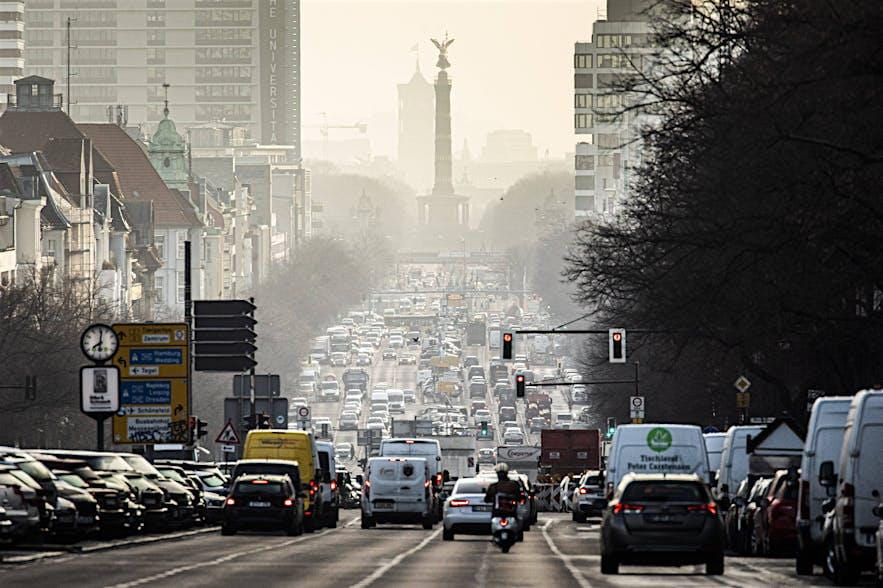
The European Environment Agency has already benchmarked current concentrations against the 2030 standards and found widespread gaps, particularly for fine particulate matter across central and eastern Europe and for nitrogen dioxide in dense urban corridors. Its air quality status reporting gives national administrations a fairly precise map of where the binding limits will hurt.
Brussels has litigated air quality before. The Commission took several member states to the Court of Justice over breaches of the 2008 directive, and the Court ruled against governments in cases covering long-running exceedances in major cities. Those judgments took the better part of a decade each. The compensation right and the strengthened access-to-justice provisions in the 2024 recast shift part of that burden to national courtrooms, where cases move faster and plaintiffs sit closer to the pollution. Governments that miss December will not simply face a letter from Brussels. They will face their own citizens.