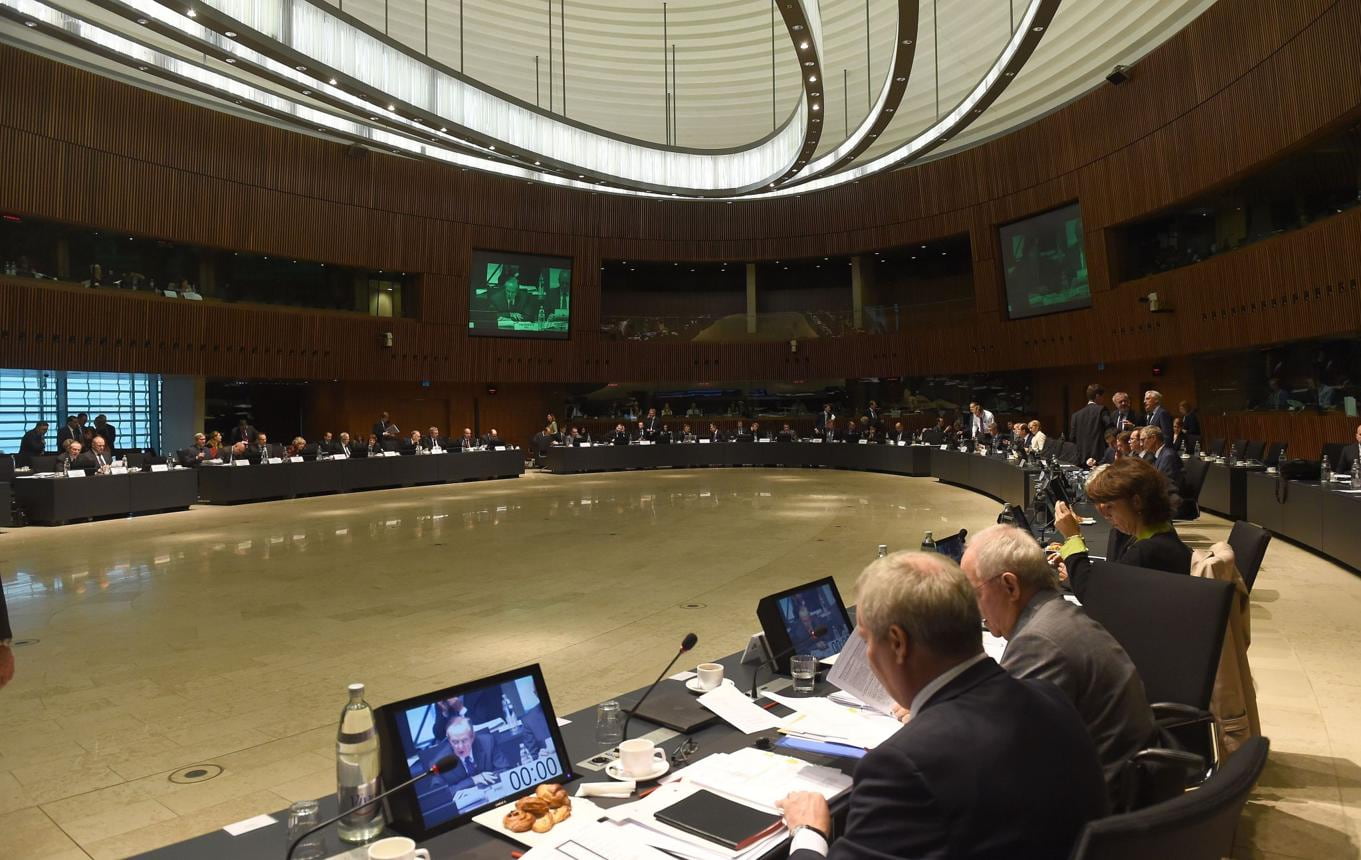
Luxembourg: The Council of the European Union agreed its negotiating position in June 2026 on a sweeping overhaul of the pan-European personal pension, the cross-border retirement product that finance ministers hope will finally turn citizens’ idle deposits into working capital. The revamp lands at the centre of the bloc’s savings and investments union, the flagship push to close Europe’s growing pensions gap.
The stakes are hard to overstate. Households across the EU park an estimated ten trillion euro in low-yield bank accounts rather than in markets that could deliver stronger long-term returns. The Commission argues that Europe must mobilise an extra 750 to 800 billion euro a year by 2030 to fund its climate, defence and technology ambitions, and that a modern personal pension can channel part of that savings mountain toward the businesses that need it.
Ministers targeted the design flaws that killed the product’s first outing. Since its 2022 launch, the pan-European personal pension has attracted barely any providers, throttled by a one percent fee cap that made it commercially unviable. The Council backs the Commission’s plan to scrap that cap, betting that banks and insurers will re-enter the market once they can price the product properly.
The Council also stripped away the requirement that providers give mandatory investment advice for the basic version of the pension. Under the new position, advice comes only when a saver asks for it, clearing the way for cheaper, execution-only products that citizens can buy online in minutes. Governments framed the change as a way to drive down costs without gutting consumer protection.
Investment rules loosened too. The text lets a basic personal pension steer up to five percent of its portfolio into alternative assets beyond plain, non-complex instruments, giving providers room to chase yield while keeping the core product simple. Negotiators kept the Commission’s broader guard-rails intact so that ordinary savers do not shoulder reckless risk.
The reform forms one plank of a much larger agenda. The savings and investments union aims to weld Europe’s fragmented capital markets into a single pool deep enough to rival Wall Street, and supplementary pensions are one of its most tangible deliverables. The Commission has described a modern personal pension as a bridge between household retirement security and the productive economy.
Plenty of friction still lies ahead. The Council must now open talks with the European Parliament, and lawmakers have signalled they want firmer sustainability and transparency standards written into the final text. National tax treatment, long the quiet killer of cross-border pensions, remains largely untouched and could still blunt take-up.
For now, Brussels has moved the personal pension from a well-intentioned failure toward something savers might actually buy. Whether the relaunch shifts even a slice of that ten-trillion-euro pile will depend on the deal struck in the coming trilogue. Full technical detail sits in the Commission’s personal pension file.