August 9, 2026
LATEST
New EU Gas Market Rules Take Effect With Consumer SafeguardsDeforestation Regulation Holds Its December Deadline Despite CutsDigital Omnibus Delays Europe’s High-Risk AI Deadline to 2027Europe’s Schools Confront a Widening Basic Skills GapRule of Law Report Finds Progress but Trust Still LagsIRIS2 Gains 66 Satellites as Brussels Signs the Rollout DealNature Restoration Plans Come Due as Member States Race a DeadlineECB Rates Hold at 2.25 Percent as Frankfurt Waits on the DataEU Budget Talks Turn to Cohesion as Ireland Takes OverWildfire Response Stretches Europe’s Emergency Fleet ThinCan Europe’s Quantum Plan Match Its Big Ambitions?Armenia Edges West as Moscow’s Grip Slips AwayEurope Inherits the World’s Aid Bill It Cannot Fully PayAir Passenger Rights Get Their First Overhaul in Two DecadesErasmus Opens a 5 Billion Euro Round for Skills and MobilityCeuta Crisis Pushes the EU Toward Faster Migrant ReturnsBulky Parcels Face a Packaging Crackdown From August 12Can Europe Build Its Drone Wall Before 2030 Arrives?Indonesia’s Trade Deal With Europe Nears Its Final SignatureEurope Leans on Beijing to Keep Climate Talks Alive Before AntalyaNew EU Gas Market Rules Take Effect With Consumer SafeguardsDeforestation Regulation Holds Its December Deadline Despite CutsDigital Omnibus Delays Europe’s High-Risk AI Deadline to 2027Europe’s Schools Confront a Widening Basic Skills GapRule of Law Report Finds Progress but Trust Still LagsIRIS2 Gains 66 Satellites as Brussels Signs the Rollout DealNature Restoration Plans Come Due as Member States Race a DeadlineECB Rates Hold at 2.25 Percent as Frankfurt Waits on the DataEU Budget Talks Turn to Cohesion as Ireland Takes OverWildfire Response Stretches Europe’s Emergency Fleet ThinCan Europe’s Quantum Plan Match Its Big Ambitions?Armenia Edges West as Moscow’s Grip Slips AwayEurope Inherits the World’s Aid Bill It Cannot Fully PayAir Passenger Rights Get Their First Overhaul in Two DecadesErasmus Opens a 5 Billion Euro Round for Skills and MobilityCeuta Crisis Pushes the EU Toward Faster Migrant ReturnsBulky Parcels Face a Packaging Crackdown From August 12Can Europe Build Its Drone Wall Before 2030 Arrives?Indonesia’s Trade Deal With Europe Nears Its Final SignatureEurope Leans on Beijing to Keep Climate Talks Alive Before Antalya
August 9, 2026
LATEST
New EU Gas Market Rules Take Effect With Consumer SafeguardsDeforestation Regulation Holds Its December Deadline Despite CutsDigital Omnibus Delays Europe’s High-Risk AI Deadline to 2027Europe’s Schools Confront a Widening Basic Skills GapRule of Law Report Finds Progress but Trust Still LagsIRIS2 Gains 66 Satellites as Brussels Signs the Rollout DealNature Restoration Plans Come Due as Member States Race a DeadlineECB Rates Hold at 2.25 Percent as Frankfurt Waits on the DataEU Budget Talks Turn to Cohesion as Ireland Takes OverWildfire Response Stretches Europe’s Emergency Fleet ThinCan Europe’s Quantum Plan Match Its Big Ambitions?Armenia Edges West as Moscow’s Grip Slips AwayEurope Inherits the World’s Aid Bill It Cannot Fully PayAir Passenger Rights Get Their First Overhaul in Two DecadesErasmus Opens a 5 Billion Euro Round for Skills and MobilityCeuta Crisis Pushes the EU Toward Faster Migrant ReturnsBulky Parcels Face a Packaging Crackdown From August 12Can Europe Build Its Drone Wall Before 2030 Arrives?Indonesia’s Trade Deal With Europe Nears Its Final SignatureEurope Leans on Beijing to Keep Climate Talks Alive Before AntalyaNew EU Gas Market Rules Take Effect With Consumer SafeguardsDeforestation Regulation Holds Its December Deadline Despite CutsDigital Omnibus Delays Europe’s High-Risk AI Deadline to 2027Europe’s Schools Confront a Widening Basic Skills GapRule of Law Report Finds Progress but Trust Still LagsIRIS2 Gains 66 Satellites as Brussels Signs the Rollout DealNature Restoration Plans Come Due as Member States Race a DeadlineECB Rates Hold at 2.25 Percent as Frankfurt Waits on the DataEU Budget Talks Turn to Cohesion as Ireland Takes OverWildfire Response Stretches Europe’s Emergency Fleet ThinCan Europe’s Quantum Plan Match Its Big Ambitions?Armenia Edges West as Moscow’s Grip Slips AwayEurope Inherits the World’s Aid Bill It Cannot Fully PayAir Passenger Rights Get Their First Overhaul in Two DecadesErasmus Opens a 5 Billion Euro Round for Skills and MobilityCeuta Crisis Pushes the EU Toward Faster Migrant ReturnsBulky Parcels Face a Packaging Crackdown From August 12Can Europe Build Its Drone Wall Before 2030 Arrives?Indonesia’s Trade Deal With Europe Nears Its Final SignatureEurope Leans on Beijing to Keep Climate Talks Alive Before Antalya

Critical Medicines Act Aims to End Europe’s Chronic Drug Shortages

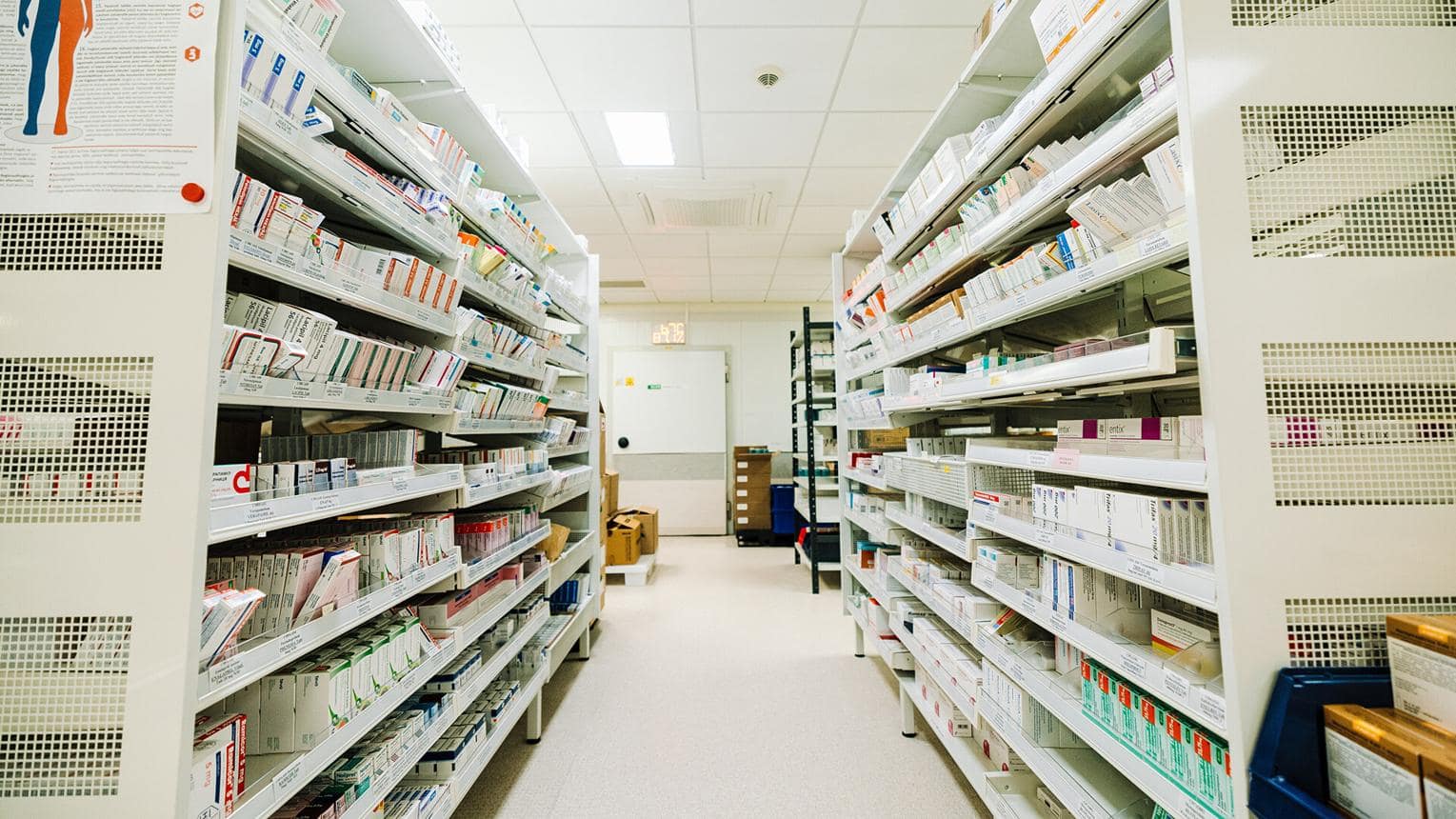
Brussels: Empty shelves where common antibiotics and cancer treatments should sit have become a recurring feature of European pharmacies, and lawmakers are pressing a legislative fix that would reshape how the continent sources its medicines. The Critical Medicines Act sets out to reduce the bloc’s dependence on a handful of overseas suppliers, chiefly in Asia, that manufacture the active ingredients underpinning a large share of everyday drugs. The ambition is to make shortages rarer, shorter, and less dangerous.

The vulnerability is structural. Decades of cost pressure pushed the production of active pharmaceutical ingredients toward the lowest-cost manufacturers, concentrating supply in a few plants for entire categories of essential medicine. When one facility falters, or a government abroad restricts exports, the shock ripples through hospital wards across the continent within weeks. The pandemic exposed the fragility, and repeated winter shortages of paediatric antibiotics and fever treatments have kept it in public view ever since.

The Act reaches for several levers at once. It would let public procurement reward supply security and manufacturing location rather than price alone, breaking the race to the cheapest source that hollowed out European capacity in the first place. It envisages coordinated stockpiling so that a shortage in one member state can be met from reserves elsewhere, and it opens the door to strategic projects that would rebuild domestic production of the most critical molecules with public backing. A list of critical medicines, drawn up with national regulators, would focus these efforts on the products where a gap poses the gravest risk to patients.

None of this is free, and the financing question is where consensus frays. Rebuilding manufacturing capacity in higher-cost European locations means either subsidies, higher prices, or both, and health ministries running strained budgets are wary of commitments that outlast the current alarm. Industry groups welcome the direction but want firm money attached, warning that warm words about resilience will not persuade a company to open a plant that only makes sense if buyers reliably pay a premium for security of supply.

There is a geopolitical layer too. Diversifying away from single-country dependence dovetails with the broader push for economic security that has animated so much recent policy, yet medicines are a delicate case. Patients cannot wait for supply chains to be rebuilt, and any measure that raised prices or slowed imports in the short term would be politically toxic. The Act tries to balance the long project of reshoring against the immediate duty to keep pharmacies stocked, and that tension runs through every clause.

Smaller member states have their own concern. They fear that in a genuine crisis, larger markets will command the available supply, and they are pushing for the solidarity mechanisms to carry real force rather than remaining voluntary gestures. The credibility of joint stockpiling rests on whether wealthier members will share when their own patients are also short.

The road ahead runs through negotiations between the Parliament and member governments, where the scope of the critical list, the money behind the incentives, and the strength of the solidarity provisions will all be contested. For patients who have stood at a counter to be told their medicine is unavailable, the test is simpler. The Act will be judged not by its architecture but by whether the shelves stay full.