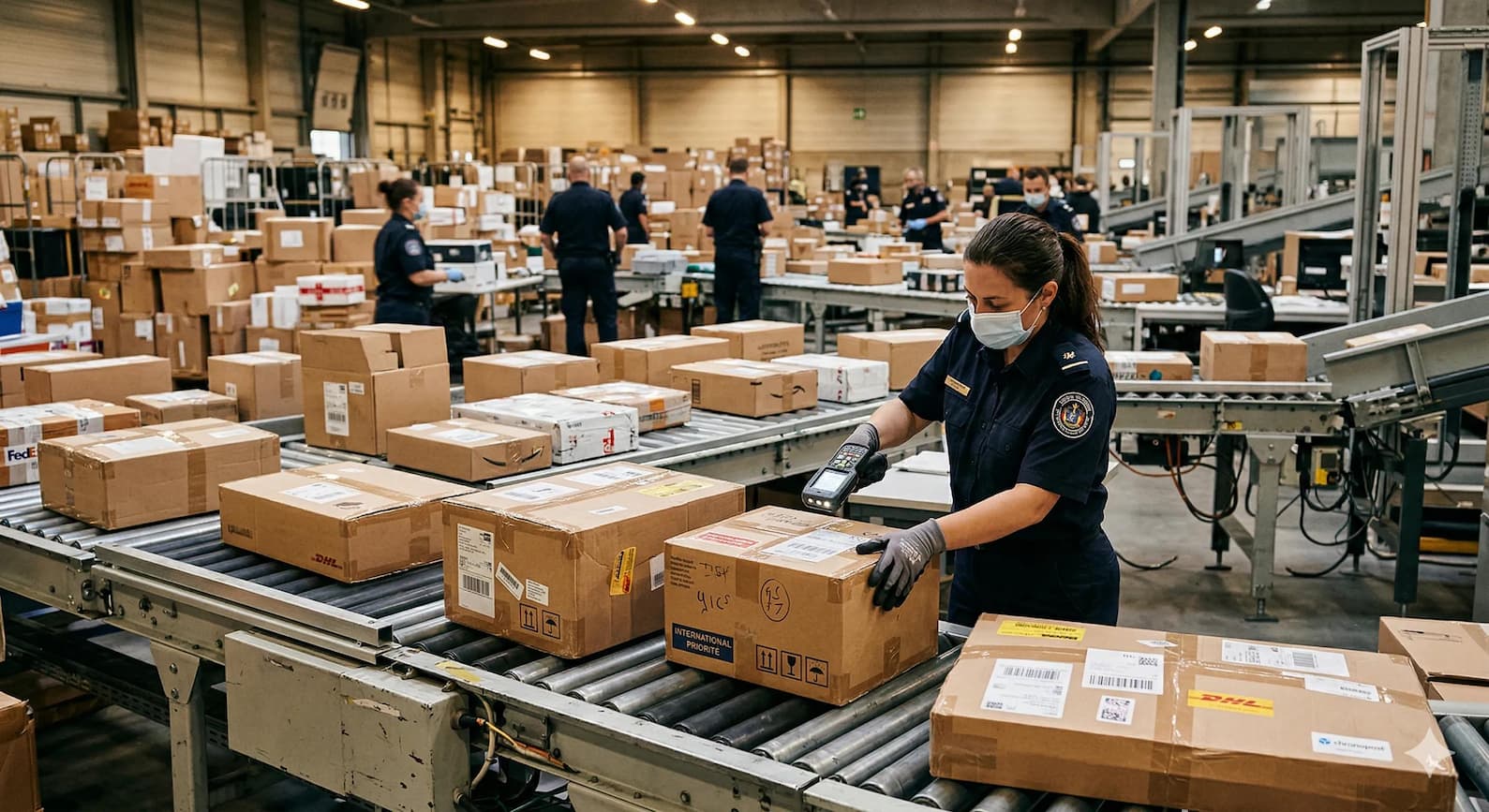
Lille: The European Union will scrap its long-standing duty-free allowance for low-value parcels on 1 July 2026, imposing a temporary flat EU parcel customs charge of three euros on each item shipped into the bloc from non-EU sellers. The measure, agreed by the 27 member states, is aimed squarely at the surge of cheap packages from platforms such as Shein and Temu and ends the so-called de minimis exemption that has let billions of small consignments enter Europe without paying any duty.
What changes on 1 July
Until now, goods worth 150 euros or less could clear EU borders free of customs duty. From 1 July 2026 each distinct product type inside a qualifying parcel attracts a flat three-euro charge. A package holding a phone, a charger and a pair of earphones therefore draws three separate charges, producing a nine-euro bill on a parcel that previously entered for nothing.
The new parcel customs charge is temporary and will run until 1 July 2028, when a data-driven customs system takes over the handling of e-commerce goods.
The scale of the parcel surge
The numbers explain why Brussels acted. Customs authorities were overwhelmed by direct-to-consumer shipments routed under the threshold.
- 4.6 billion parcels valued under 150 euros entered the EU in 2024.
- More than 91 percent of those shipments originated in China.
- The 150-euro duty exemption dated back decades and was designed for occasional personal gifts, not industrial-scale online retail.
What Brussels says
The charge sits inside a far broader overhaul of EU customs law that negotiators sealed in March 2026, billed by the Commission as the biggest shake-up of the system in more than half a century.
This is the most ambitious and comprehensive reform of the EU Customs Union since its establishment in 1968, the European Commission said in welcoming the deal.
Officials argue the flat fee buys time until automated controls can screen the flood of packages, while restoring a level playing field for European retailers who already collect duty and VAT.
How we got here
EU finance ministers gave the temporary fee its final legislative green light on 11 February 2026, after member states agreed the outline in December 2025. It forms part of the wider customs package on which the Council and Parliament reached a landmark customs reform agreement on 26 March 2026. That reform creates a new EU Customs Authority, to be based in Lille with around 285 staff, and an EU Customs Data Hub that will become operational for e-commerce goods in 2028 before covering all trade by 2034.
The Commission set out the plan in its statement on the customs overhaul, framing the parcel charge as a bridge to that digital architecture rather than a permanent tax.
What happens next
A separate handling fee on small consignments is due to follow in November 2026, with its level still to be fixed by a Commission delegated act. Retailers and logistics firms have warned shoppers to expect higher checkout prices, and consumer groups say the era of ultra-cheap cross-border shopping is drawing to a close. As EU governments confirmed the temporary flat fee, Brussels signalled that the three-euro EU parcel customs charge is only the first step toward a tighter, fully digital customs frontier.