Tallinn: The European Central Bank raised its three key ECB rates by 25 basis points on 10 September 2026, and Estonian households will feel the decision faster than almost anyone else in the currency union, because their mortgages reprice against Euribor within months rather than decades.
The Governing Council lifted the deposit facility to 2.50 per cent, the main refinancing operations rate to 2.65 per cent and the marginal lending facility to 2.90 per cent, all with effect from 16 September. The bank blamed the conflict in the Middle East, which it says continues to generate inflation pressure, and warned that prices will sit well above target for an extended period. Its September monetary policy decision sets out the reasoning in full.
The staff projections explain the urgency better than the communique does. Headline inflation now averages 3.0 per cent in 2026, 2.5 per cent in 2027 and 2.1 per cent in 2028. Compared with June, the bank left this year untouched but revised both later years upward, the tell-tale sign that officials no longer treat the energy shock as a passing disturbance.
Growth moved the other way. The baseline puts euro area output at 0.9 per cent this year, 1.4 per cent next and 1.5 per cent in 2028, an upward revision for 2026 and 2027 that the bank attributes to greater than expected resilience. Firmer growth alongside stickier inflation removed the last argument for waiting, and the macroeconomic projections show why.
Frankfurt framed the risks asymmetrically and meant it. Inflation risks point up, growth risks point down, and staff published updated scenarios showing how wide the range becomes once indirect and second-round effects enter the picture. The Governing Council refused to pre-commit to any rate path and repeated that it decides meeting by meeting.
The balance sheet keeps shrinking in the background. The asset purchase programme and the pandemic emergency purchase programme portfolios decline at what the bank calls a measured and predictable pace, with the Eurosystem reinvesting nothing from maturing securities. Passive runoff tightens financial conditions without anyone taking a vote.
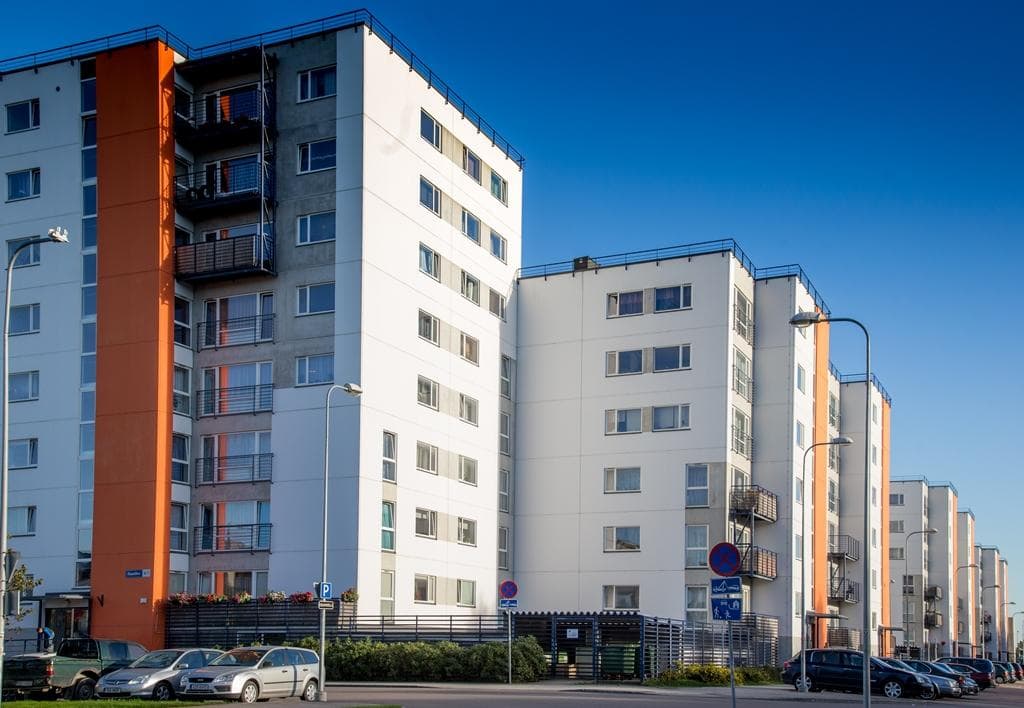
For member states the arithmetic differs sharply by mortgage market. Borrowers in Estonia, Finland, Portugal and Spain hold mostly variable-rate loans, so a quarter point travels quickly into monthly payments. German, French and Dutch households on long fixed contracts will barely notice until they refinance. One monetary policy, twenty-seven transmission speeds, an old complaint that this cycle restates.
Governments face the same split. Higher policy rates lift the cost of rolling over sovereign debt precisely as capitals promise more spending on defence, housing and energy infrastructure. The Transmission Protection Instrument remains available against disorderly spreads, and the bank made a point of saying so, which markets read as a reminder rather than a signal.
Ministers have already begun adjusting their language. Economy Commissioner Valdis Dombrovskis told reporters on 18 September that the Commission expects growth to slow next year, with high energy prices weighing on 2027 performance, a view that sits awkwardly beside the central bank’s upward revision.
The next Governing Council meeting will test whether September marked a single insurance move or the opening of a sequence. Until then, floating-rate borrowers across the euro area pay first and ask questions afterwards.