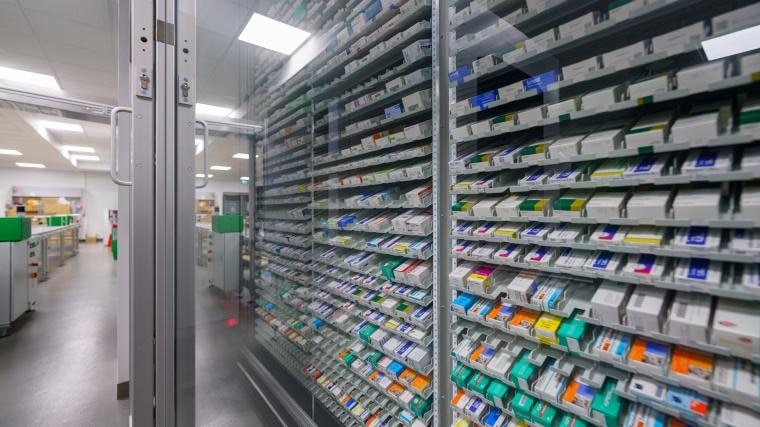
Brussels: The European Union moved to end chronic shortages of essential drugs this summer, with the Critical Medicines Act awaiting final sign-off after Council and Parliament negotiators struck a provisional deal on 12 May 2026 to secure supplies of antibiotics, insulin and painkillers. The critical medicines push is the bloc’s most serious attempt yet to re-shore production of the drugs that hospitals cannot do without.
The law targets a vulnerability laid bare during recent winters, when pharmacies across the continent ran short of common antibiotics and fever medicines because so many active ingredients are manufactured in a handful of Asian plants. Lawmakers want to shorten and diversify those supply chains before the next shock hits.
Members of the European Parliament endorsed the industrial strategy by an overwhelming 503 votes to 57, with 108 abstentions, backing measures to rebuild European capacity for active pharmaceutical ingredients and finished critical medicines. The Act complements the wider pharmaceutical package now working its way through the institutions.
“For too long, Europe has depended on fragile supply chains for the medicines our patients need most; this law puts an end to that vulnerability once and for all,” backers of the Act in the European Parliament said after the vote.
The new rules would make it easier for national health systems to pool their buying power and procure critical medicines jointly, spreading demand and cutting the risk that one country hoards scarce stock. They also oblige public buyers to weave resilience requirements into procurement, rewarding suppliers who manufacture inside the Union.
To rebuild manufacturing, the Act offers incentives and faster permitting for factories producing critical medicines and their ingredients, alongside a mechanism to identify which products count as strategically essential. The Commission would keep a rolling list and coordinate stockpiling where supplies look thin.
Not everyone is reassured. Aid and public-health groups have warned that a European drive to reserve supply could tighten access to the same medicines in lower-income countries, particularly in Africa, if procurement rules pull scarce output toward wealthier buyers. Negotiators insist the Act is about adding capacity rather than diverting it.
Industry has broadly welcomed the direction while pressing for the incentives to be generous enough to justify reopening European plants, which face higher energy and labour costs than Asian rivals. Generic-medicine makers, who supply most of the drugs on the critical list, say margins on older products are too thin to fund new lines without public support.
The provisional agreement now needs formal approval from both the Parliament and the Council before it can enter the statute book, a step expected in the coming months under the Cyprus presidency. Once adopted, the rules would phase in over several years as new manufacturing lines come online.
The negotiating outcome is set out in the Council and Parliament provisional deal, with the policy background detailed on the European Commission’s Critical Medicines Act page.