August 9, 2026
LATEST
New EU Gas Market Rules Take Effect With Consumer SafeguardsDeforestation Regulation Holds Its December Deadline Despite CutsDigital Omnibus Delays Europe’s High-Risk AI Deadline to 2027Europe’s Schools Confront a Widening Basic Skills GapRule of Law Report Finds Progress but Trust Still LagsIRIS2 Gains 66 Satellites as Brussels Signs the Rollout DealNature Restoration Plans Come Due as Member States Race a DeadlineECB Rates Hold at 2.25 Percent as Frankfurt Waits on the DataEU Budget Talks Turn to Cohesion as Ireland Takes OverWildfire Response Stretches Europe’s Emergency Fleet ThinCan Europe’s Quantum Plan Match Its Big Ambitions?Armenia Edges West as Moscow’s Grip Slips AwayEurope Inherits the World’s Aid Bill It Cannot Fully PayAir Passenger Rights Get Their First Overhaul in Two DecadesErasmus Opens a 5 Billion Euro Round for Skills and MobilityCeuta Crisis Pushes the EU Toward Faster Migrant ReturnsBulky Parcels Face a Packaging Crackdown From August 12Can Europe Build Its Drone Wall Before 2030 Arrives?Indonesia’s Trade Deal With Europe Nears Its Final SignatureEurope Leans on Beijing to Keep Climate Talks Alive Before AntalyaNew EU Gas Market Rules Take Effect With Consumer SafeguardsDeforestation Regulation Holds Its December Deadline Despite CutsDigital Omnibus Delays Europe’s High-Risk AI Deadline to 2027Europe’s Schools Confront a Widening Basic Skills GapRule of Law Report Finds Progress but Trust Still LagsIRIS2 Gains 66 Satellites as Brussels Signs the Rollout DealNature Restoration Plans Come Due as Member States Race a DeadlineECB Rates Hold at 2.25 Percent as Frankfurt Waits on the DataEU Budget Talks Turn to Cohesion as Ireland Takes OverWildfire Response Stretches Europe’s Emergency Fleet ThinCan Europe’s Quantum Plan Match Its Big Ambitions?Armenia Edges West as Moscow’s Grip Slips AwayEurope Inherits the World’s Aid Bill It Cannot Fully PayAir Passenger Rights Get Their First Overhaul in Two DecadesErasmus Opens a 5 Billion Euro Round for Skills and MobilityCeuta Crisis Pushes the EU Toward Faster Migrant ReturnsBulky Parcels Face a Packaging Crackdown From August 12Can Europe Build Its Drone Wall Before 2030 Arrives?Indonesia’s Trade Deal With Europe Nears Its Final SignatureEurope Leans on Beijing to Keep Climate Talks Alive Before Antalya
August 9, 2026
LATEST
New EU Gas Market Rules Take Effect With Consumer SafeguardsDeforestation Regulation Holds Its December Deadline Despite CutsDigital Omnibus Delays Europe’s High-Risk AI Deadline to 2027Europe’s Schools Confront a Widening Basic Skills GapRule of Law Report Finds Progress but Trust Still LagsIRIS2 Gains 66 Satellites as Brussels Signs the Rollout DealNature Restoration Plans Come Due as Member States Race a DeadlineECB Rates Hold at 2.25 Percent as Frankfurt Waits on the DataEU Budget Talks Turn to Cohesion as Ireland Takes OverWildfire Response Stretches Europe’s Emergency Fleet ThinCan Europe’s Quantum Plan Match Its Big Ambitions?Armenia Edges West as Moscow’s Grip Slips AwayEurope Inherits the World’s Aid Bill It Cannot Fully PayAir Passenger Rights Get Their First Overhaul in Two DecadesErasmus Opens a 5 Billion Euro Round for Skills and MobilityCeuta Crisis Pushes the EU Toward Faster Migrant ReturnsBulky Parcels Face a Packaging Crackdown From August 12Can Europe Build Its Drone Wall Before 2030 Arrives?Indonesia’s Trade Deal With Europe Nears Its Final SignatureEurope Leans on Beijing to Keep Climate Talks Alive Before AntalyaNew EU Gas Market Rules Take Effect With Consumer SafeguardsDeforestation Regulation Holds Its December Deadline Despite CutsDigital Omnibus Delays Europe’s High-Risk AI Deadline to 2027Europe’s Schools Confront a Widening Basic Skills GapRule of Law Report Finds Progress but Trust Still LagsIRIS2 Gains 66 Satellites as Brussels Signs the Rollout DealNature Restoration Plans Come Due as Member States Race a DeadlineECB Rates Hold at 2.25 Percent as Frankfurt Waits on the DataEU Budget Talks Turn to Cohesion as Ireland Takes OverWildfire Response Stretches Europe’s Emergency Fleet ThinCan Europe’s Quantum Plan Match Its Big Ambitions?Armenia Edges West as Moscow’s Grip Slips AwayEurope Inherits the World’s Aid Bill It Cannot Fully PayAir Passenger Rights Get Their First Overhaul in Two DecadesErasmus Opens a 5 Billion Euro Round for Skills and MobilityCeuta Crisis Pushes the EU Toward Faster Migrant ReturnsBulky Parcels Face a Packaging Crackdown From August 12Can Europe Build Its Drone Wall Before 2030 Arrives?Indonesia’s Trade Deal With Europe Nears Its Final SignatureEurope Leans on Beijing to Keep Climate Talks Alive Before Antalya

Europe Readies Its Firefighting Fleet for a Brutal Wildfire Season

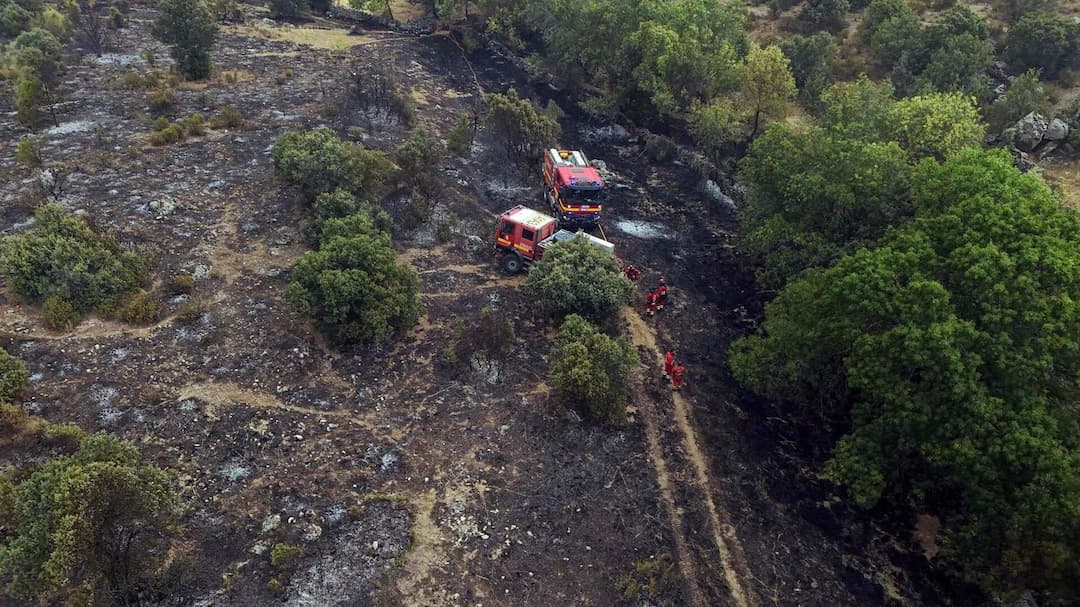
Athens: With southern Europe bracing for another scorching summer, the bloc has once again pre-positioned firefighters, aircraft and ground crews under its civil protection umbrella, betting that shared resources can blunt a fire season that no single country can face alone. The rescEU reserve, topped up with leased water-bombing planes and helicopters, sits ready to surge across borders the moment a national fleet is overwhelmed.

The arrangement has become a fixture of the European summer. Crews from cooler northern states spend weeks stationed in Greece, Portugal and other front-line countries, learning the terrain before the first major blaze rather than arriving as strangers in a crisis. The idea is to move from reaction to readiness: stage the people and the machines in advance, so that help is measured in hours rather than days when a hillside ignites.

Behind the reassuring images of red planes and orange jumpsuits, though, lies a harder truth. The mechanism works by pooling assets that are already stretched thin. When several countries burn at once — an increasingly common pattern as heatwaves stack up — there are simply not enough aircraft to go around, and the bloc finds itself competing for the same scarce planes on a global market. A reserve that depends on borrowing is only as strong as the quietest fire season, and the seasons are no longer quiet.

That is why Brussels has been trying to build permanent capacity rather than rent it each spring. Orders for a dedicated fleet of firefighting aircraft are meant to give the bloc machines it owns outright, but manufacturers cannot deliver them fast enough, and the gap between ambition and tarmac stretches years into the future. Until those planes arrive, every summer is improvised, and every improvisation depends on the goodwill of governments that may suddenly need their own crews back home.

The human stakes are not abstract. Wildfires now routinely force evacuations of villages and tourist resorts, choke cities with smoke, and kill residents and emergency workers alike. Civil protection is no longer a niche corner of disaster policy but a front-line test of whether the bloc can protect its own citizens from a climate that is changing faster than its institutions. A coordinated response that saves a single town pays back years of unglamorous planning meetings.

There is also a quieter prevention argument that tends to get drowned out by the drama of aerial drops. Cleared firebreaks, managed forests, better early-warning systems and paid year-round crews prevent far more damage than any last-minute air armada. Pouring resources only into spectacular suppression risks treating the symptom while the underlying landscape grows ever more flammable.

For now, the fleet is fuelled, the crews are briefed and the maps are spread across operations rooms from Athens to Lisbon. Whether this summer vindicates the pooled approach or exposes its limits will depend on something no planner controls: how many fires break out at once, and how hot the wind decides to blow.