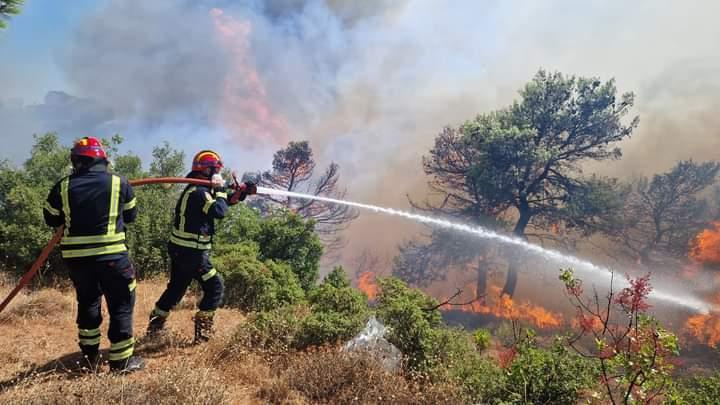
Brussels: Europe’s civil protection system is straining under the worst start to a wildfire season in years, after France and Portugal both triggered the EU’s shared emergency machinery within days of each other in early July.
The Union Civil Protection Mechanism lets any overwhelmed country call for help, and the Commission then coordinates aircraft, crews and equipment offered by other members. Portugal activated it on 3 July, and 118 firefighters with 45 vehicles from Spain reached the fire lines within hours, backed by three rescEU aircraft from Italy and Spain.
France followed on 5 July, prompting Brussels to mobilise four rescEU aeroplanes from Sweden and Cyprus. The Commission described the deployments in its wildfire response update.
Behind the cross-border rescues sits rescEU, a strategic reserve the EU built precisely for summers like this one. Its fleet now counts twenty-two firefighting aeroplanes and five helicopters on standby across twelve countries.
The Commission has also pre-positioned 777 firefighters in Cyprus, Greece, Italy, France, Spain and Portugal, the largest such deployment since the scheme began in 2022. Officials say stationing crews before the flames start, rather than scrambling them afterwards, buys precious hours, and lets commanders shift resources to whichever front turns most dangerous.
The human toll already underlines the urgency. By early July fires had killed at least fourteen people, forced tens of thousands from their homes and burned across Spain, Portugal, France, Greece, Italy and Turkey, as record heat dried the landscape.
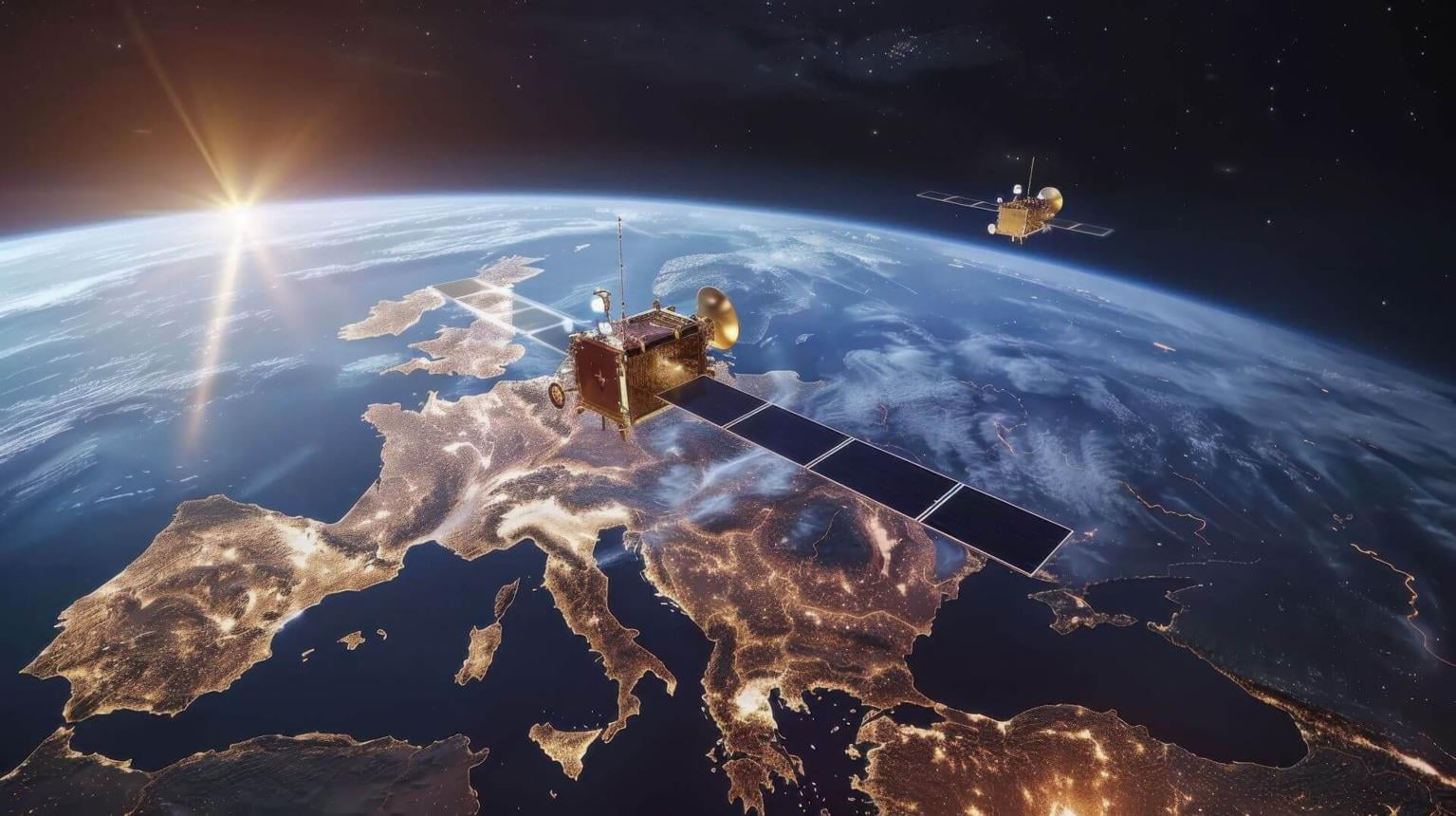
The mechanism does more than move planes. It pools satellite mapping, forecasting and medical stockpiles, letting a single national emergency centre draw on the resources of the whole bloc. That solidarity has become one of the most visible things the EU does for ordinary citizens.
Yet the pressure exposes a hard arithmetic. When several countries burn at once, even a shared fleet runs thin, and every aircraft sent to Portugal is one not available to France. Brussels has steadily enlarged rescEU to close that gap, but a hotter climate keeps widening it.
The EU is now investing in a permanent European fleet of its own, buying aircraft that belong to the Union rather than borrowing them from national services. The aim is a reserve that grows with the threat instead of depending on whatever members can spare in a bad year.
For now, the civil protection mechanism is doing what it was designed to do, carrying Spanish crews to Portuguese hills and Nordic planes to French forests. Details on the wider system sit on the Commission’s rescEU page.