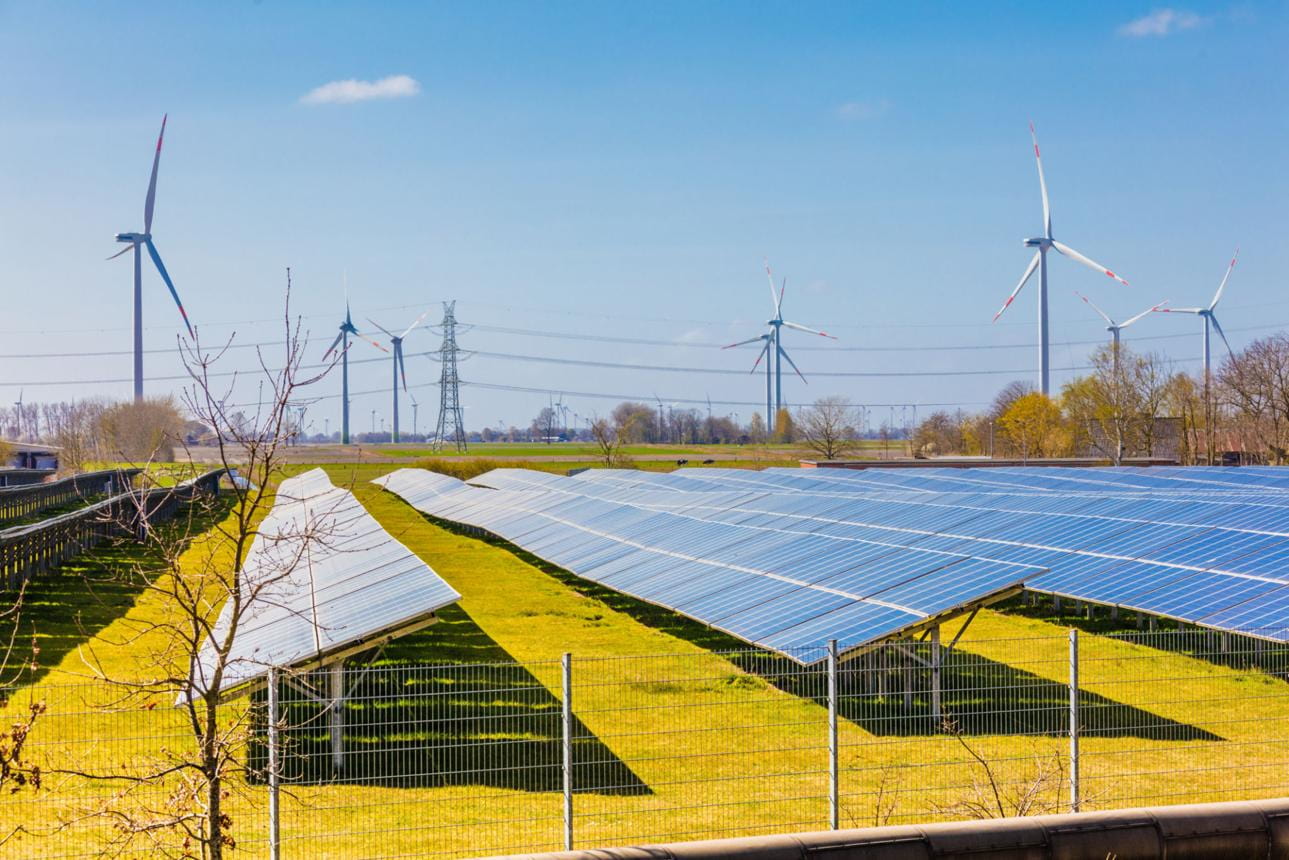
Esbjerg: The Danish port that once shipped fish and oil rigs now likes to call itself the capital of Europe’s offshore wind ambitions. Turbine towers lie stacked along its quays like felled trees, waiting for vessels to carry them out into the North Sea. It is an impressive sight, and a slightly misleading one. The hard part of Europe’s energy transition is no longer building the turbines. It is finding a way to move the electricity they generate to the cities and factories that need it. The wires, not the windmills, have become the bottleneck.
This is the uncomfortable truth lurking beneath the European Union’s climate targets. The bloc has spent the better part of a decade subsidising clean generation, and it shows: on breezy, sunny days, several member states already produce more renewable power than their grids can absorb. The result is the strange spectacle of wind farms being paid to switch off, and electricity prices briefly turning negative, while a few hundred kilometres away a factory pays a fortune for power it cannot get. The generation has raced ahead. The grid has not kept pace.
Brussels knows this. The Commission’s own analysis concedes that the continent needs to invest sums approaching 584 billion euros in its electricity networks before the end of the decade if the green transition is to mean anything in practice. That figure dwarfs almost every other line in the climate ledger, and it has none of the political glamour of a new wind farm or a gleaming battery plant. Pylons win no elections. They do, however, attract protests, planning disputes and the slow grinding machinery of national permitting regimes that can take the better part of a decade to approve a single cross-border interconnector.
The temptation in capitals is to treat the grid as a domestic matter, a question of national infrastructure to be planned behind national borders. That instinct is precisely the problem. A continent that wants to share Spanish sunshine and Danish wind cannot run its network as twenty-seven sealed boxes loosely stitched together. The economic logic of the single market points towards a genuinely integrated European grid, one where surplus power flows to wherever demand is highest rather than piling up uselessly behind a border.
Getting there asks something awkward of member states. It means accepting that a pylon built in one country may exist chiefly to serve consumers in another, and that the costs and benefits of the network will not always land neatly within the same set of voters. It means faster permitting, which governments promise repeatedly and deliver rarely. And it means money, at a moment when every finance ministry is already being asked to fund defence, competitiveness and the next budget round at once.
The encouraging part is that the grid is the rare climate file where the economics and the politics could eventually align. Cheaper, more reliable power is exactly what Europe’s industrialists have been demanding, and it is the most concrete answer the bloc can offer to its competitiveness anxieties. The wind turbines stacked at Esbjerg are a promise. Whether that promise is kept will be decided not out at sea but in the unglamorous business of stringing wires across a continent that has never quite agreed on who pays for them.