November 21, 2026
LATEST
Serbia EU Accession Gets a Second Wind After the Student List WinSyria Association Agreement Revived With Conditions on RightsDemining in Armenia Gains a Second EU Remote-Controlled UnitIntegrated Border Management Review Shapes Rules to 2032Civil Protection Mechanism Reform Wins Council BackingEl Niño Preparedness Money of €13.5 Million Puts Somalia at the FrontDomestic Lenders Hold 69% of EU Government Debt in Czechia and SwedenErasmus+ 2027 Call Puts €5.3 Billion Behind Teachers and UK ReturnMobile Satellite Services Deal Moves 2 GHz Fees to CapitalsBoone and Brunnermeier Enter the ECB Executive Board RacePlastic Waste Export Ban Shuts Non-OECD Doors Until 2029Ukrainian Local Authorities Win a Formal Voice in EU Accession TalksLargest Ukraine Facility Disbursement Rewards 20 Kyiv Reform StepsNigeria Power Sector Talks Push EU Partners Toward Grid InvestmentShared Mediterranean Maritime Security Gets a Brussels Forum at LastEU-Japan Financial Regulation Talks Put AI and Cyber Risk on the TableEU-Korea Green Partnership Turns to Carbon Pricing and Offshore WindMoldova Air Defence Draws €317 Million From the Peace FacilityUkraine Peace Talks Team Pairs the E5 With Brussels, Not One EnvoyHungary Recovery Fund Wins Nod as 126 of 127 Targets Are MetSerbia EU Accession Gets a Second Wind After the Student List WinSyria Association Agreement Revived With Conditions on RightsDemining in Armenia Gains a Second EU Remote-Controlled UnitIntegrated Border Management Review Shapes Rules to 2032Civil Protection Mechanism Reform Wins Council BackingEl Niño Preparedness Money of €13.5 Million Puts Somalia at the FrontDomestic Lenders Hold 69% of EU Government Debt in Czechia and SwedenErasmus+ 2027 Call Puts €5.3 Billion Behind Teachers and UK ReturnMobile Satellite Services Deal Moves 2 GHz Fees to CapitalsBoone and Brunnermeier Enter the ECB Executive Board RacePlastic Waste Export Ban Shuts Non-OECD Doors Until 2029Ukrainian Local Authorities Win a Formal Voice in EU Accession TalksLargest Ukraine Facility Disbursement Rewards 20 Kyiv Reform StepsNigeria Power Sector Talks Push EU Partners Toward Grid InvestmentShared Mediterranean Maritime Security Gets a Brussels Forum at LastEU-Japan Financial Regulation Talks Put AI and Cyber Risk on the TableEU-Korea Green Partnership Turns to Carbon Pricing and Offshore WindMoldova Air Defence Draws €317 Million From the Peace FacilityUkraine Peace Talks Team Pairs the E5 With Brussels, Not One EnvoyHungary Recovery Fund Wins Nod as 126 of 127 Targets Are Met

Eurovignette Directive Delays Bring Nine Capitals Road Toll Warnings

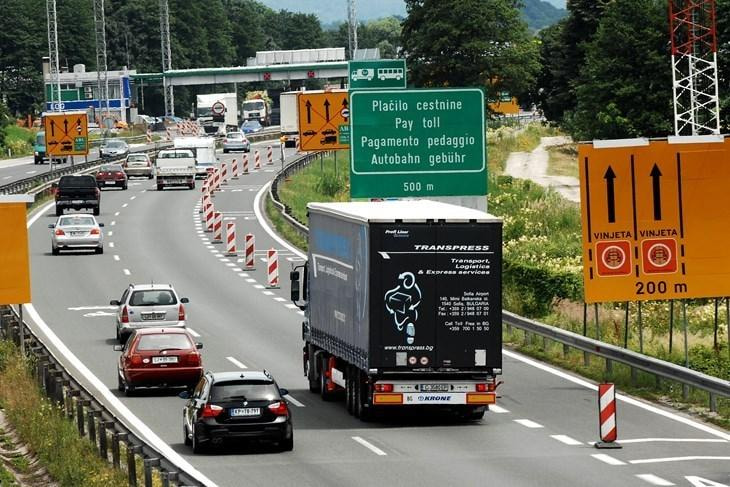
Koper: The European Commission moved against nine member states over the Eurovignette Directive on 19 November 2026, telling Czechia, Estonia, Croatia, Latvia, Lithuania, Portugal, Romania, Slovenia and Slovakia to bring their road tolls and vignettes into line with EU law. The decisions formed part of the Commission’s November infringements package.

Brussels sent letters of formal notice to seven governments: Estonia, Croatia, Lithuania, Portugal, Romania, Slovenia and Slovakia. Czechia received an additional letter in an existing case, while Latvia received a reasoned opinion, the second stage of the procedure.

The Eurovignette Directive, formally Directive (EU) 2022/362, harmonises how governments charge vehicles for using motorways and major roads. It covers distance-based tolls, time-based vignettes and charges for the external costs of road transport. The law applies the user-pays and polluter-pays principles to vehicles with four or more wheels.

According to the Commission’s infringements package, the problems concern several core elements of the reform. They include a common method for setting infrastructure charges for heavy-duty vehicles, tolls for lorries that vary according to their CO2 emissions, and car vignettes priced in proportion to use, including a one-day option.

That last point of the Eurovignette Directive matters to drivers crossing small transit countries. Short-stay motorists have long complained about vignette systems that force them to buy longer passes than they need. The 2022 reform requires member states to offer shorter, fairly priced options so that tourists and occasional users pay closer to their real road use.

Hauliers face the bigger financial stakes. The revised rules require governments to vary truck tolls according to CO2 emission classes, rewarding cleaner lorries and charging more for polluting fleets.

Each of the nine governments now has two months to reply and fix the shortcomings the Commission identified. If the answers fall short, the Commission can escalate the letters of formal notice to reasoned opinions. Latvia faces the sharper risk, because a weak reply to its reasoned opinion could lead Brussels to refer the case to the Court of Justice and request financial penalties.

The Eurovignette Directive dates back to 1999, but co-legislators overhauled it in February 2022 after years of talks. The amended text, published in the Official Journal, gave member states until March 2024 to transpose it into national law, a deadline many capitals missed.

The revised Eurovignette Directive also limits time-based charges for heavy goods vehicles on the trans-European core network, pushing countries toward distance-based tolling. Several Central and Eastern European states still rely heavily on vignettes, which explains the regional cluster of cases this month.

Road charging sits at the centre of the EU’s plan to cut transport emissions, which account for roughly a quarter of the bloc’s greenhouse gases. The Commission argues that fair, emissions-based pricing gives hauliers a clear signal to renew fleets.

For drivers and freight operators in the nine countries, the Eurovignette Directive cases could bring new tariff tables in 2027. The next step depends on how quickly each capital answers the Commission’s two-month deadline.