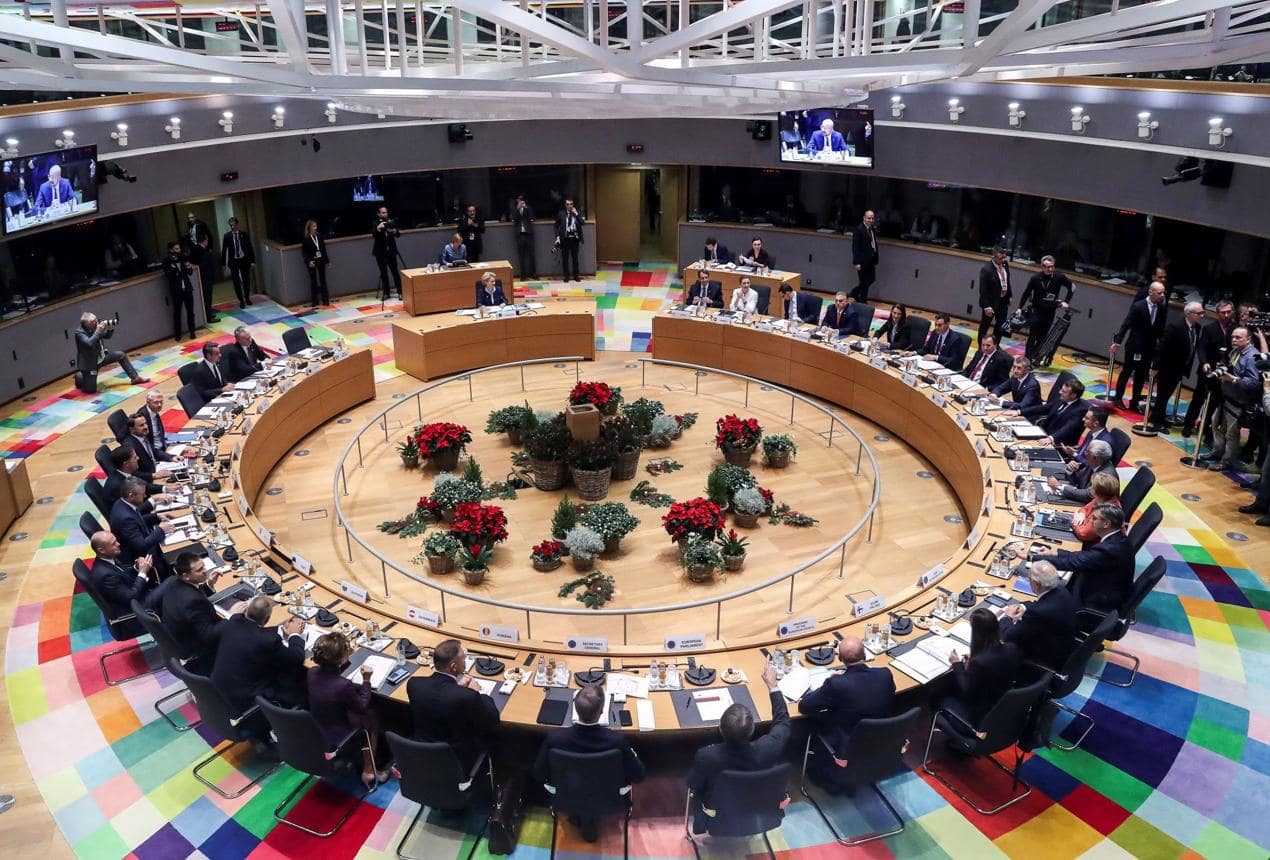
Brussels: European Union finance ministers threw their weight behind a sweeping capital markets overhaul on 10 July 2026, agreeing at an ECOFIN meeting in Brussels to seek a Council deal by October on the Commission’s market integration and supervision package. The plan sits at the heart of the bloc’s savings and investments union and aims to knit together Europe’s fragmented trading landscape.
The stakes are large. European households park trillions of euros in low-yielding bank deposits while companies struggle to raise equity at home, pushing many toward deeper markets in New York. Brussels wants its capital markets to channel that money into European firms, defence, and the green and digital transitions.
Maria Luís Albuquerque, the European Commissioner for financial services and the savings and investments union, cast the reform as unavoidable.
Market integration is not a technical exercise. It is a political imperative for Europe’s prosperity and global relevance.
At the centre of the package lies a stronger European Securities and Markets Authority. The draft rules would reinforce ESMA’s role in supervising key market actors directly, including significant central counterparties, central securities depositories, trading venues and crypto-asset service providers, and would reform how the authority is governed.
Supporters argue that single EU-level oversight would cut the cost and complexity of operating across 27 national regimes, where firms today juggle overlapping rulebooks and supervisors. Critics in some capitals fear losing control over their home exchanges and clearing houses, and want safeguards before handing ESMA more power.
Ministers papered over those tensions with a clear political signal. On the basis of a presidency steering note, they voiced commitment to a robust negotiating position and mandated technical teams to intensify work through the summer.
Ireland’s finance minister, Simon Harris, who chaired the talks, claimed unanimous support for wrapping up the file in time for the next gathering of economic ministers on 9 October. The deal forms part of a wider One Europe, One Market roadmap that the bloc hopes will revive its sluggish competitiveness.
The same council session cleared other business. Ministers opened an excessive deficit procedure for Bulgaria, approved a revised recovery plan for Hungary, and adopted the 2026 European Semester recommendations that steer national budgets.
Investors and industry groups have pressed for the reform for years, arguing that shallow capital markets leave European savers poorer and the bloc’s start-ups starved of scale-up cash. The Commission unveiled its savings and investments union strategy earlier and has since translated the ambition into concrete legislation.
Full details of the meeting appear in the Council’s ECOFIN record, and the Commission sets out the plan in its market integration and supervision package.
Hard bargaining lies ahead. Governments still disagree over how much supervision to centralise and how fast, and the European Parliament will add its own demands once the Council settles its line. Negotiators know the political window is narrow, with competitiveness fears mounting and capital continuing to drain abroad.
If ministers hit their October target, they will hand negotiators a mandate to start talks with Parliament before year-end. For a union that has promised deeper capital markets for more than a decade, the coming months offer a fresh test of whether Europe can finally match its rhetoric with a single, functioning market for money.