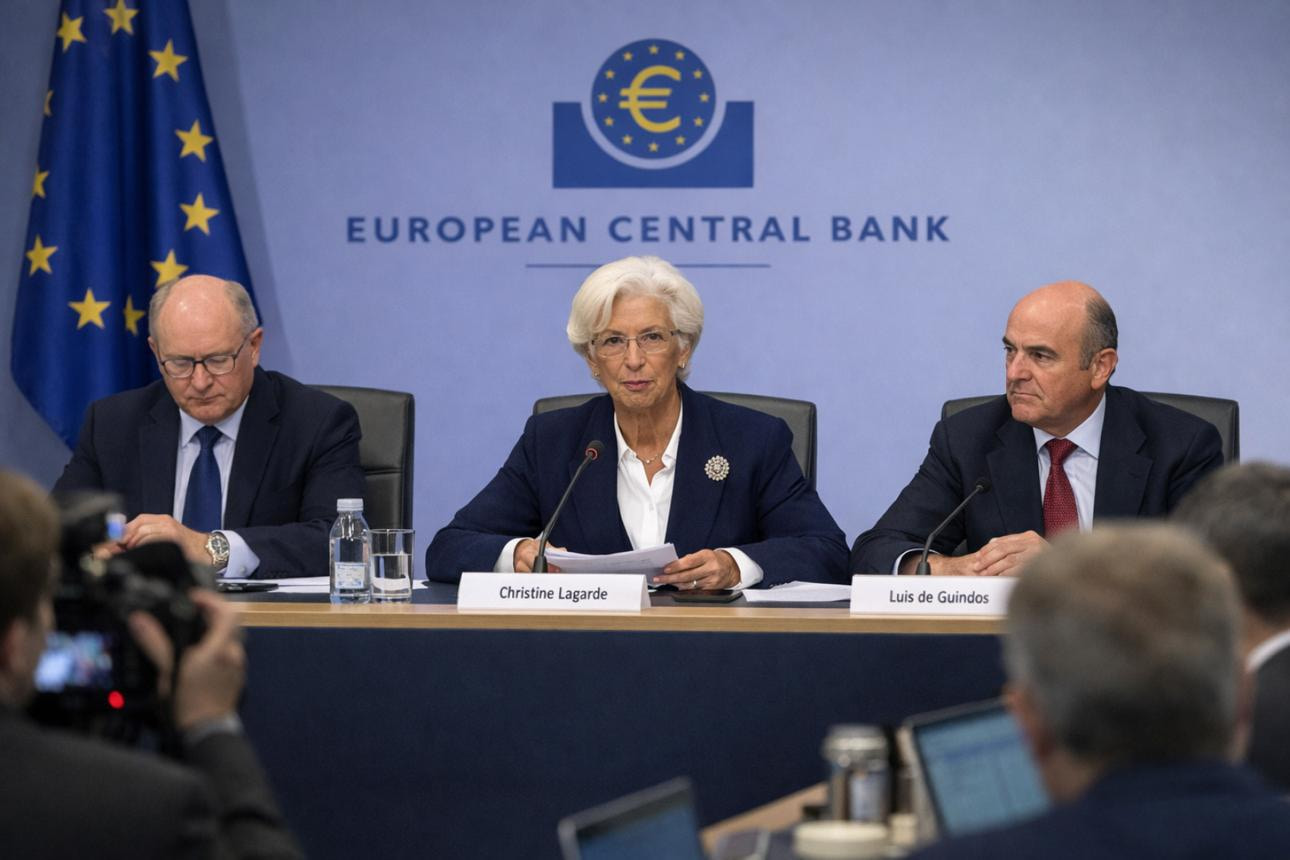
Frankfurt: The European Central Bank looks set to leave interest rates untouched at its July 2026 meeting, pausing after an unexpected increase in June that ended more than a year of steady easing across the euro area. Markets price a hold as all but certain.
The Governing Council raised its key rates by a quarter point in June, the first hike since 2023, as an energy-price shock tied to conflict in the Middle East fed through to consumer prices. The deposit facility now stands at 2.25 percent and the main refinancing rate at 2.4 percent.
Policymakers framed that move as insurance rather than the start of a tightening cycle. They pointedly declined to signal where interest rates would head next, agreeing that communication should stay neutral amid what officials described as elevated economic uncertainty.
The latest data give the bank room to wait. Eurostat’s flash estimate put euro-area annual inflation at 2.8 percent in June, down from 3.2 percent in May and edging back toward the ECB’s 2 percent target. Energy still ran hot at 8.7 percent, while services inflation held stubbornly at 3.2 percent.
That split explains the caution. Headline inflation is cooling, but the persistence of services prices and the volatility of energy costs leave the Council reluctant to declare victory or to promise further hikes. Investors reading the June statement found no forward guidance to lean on.
A hold would keep borrowing costs where they are for households and companies that have already absorbed a sharp swing in financing conditions over the past two years. Weaker growth momentum across several member states adds to the case for standing pat rather than squeezing demand further.
The bank set out its reasoning in the June monetary policy statement, which stressed that decisions would follow the data meeting by meeting. President and colleagues have repeated that they will not pre-commit to a path.
The euro’s exchange rate adds another variable. A firmer currency would help damp imported energy costs, easing the very pressure that forced June’s hike, while a weaker euro could do the opposite. Council members have signalled they are watching currency moves alongside wages and profit margins.
Businesses and mortgage holders, meanwhile, get a breather. After two years in which financing conditions swung from record stimulus to abrupt tightening, a settled deposit rate lets borrowers plan with a little more confidence over the second half of the year.
Analysts now watch whether the summer brings fresh energy pressure or a clearer disinflation trend. Either could tip the next decision. For now, the message from Frankfurt is patience, with interest rates parked while the Council waits to see which force wins out.