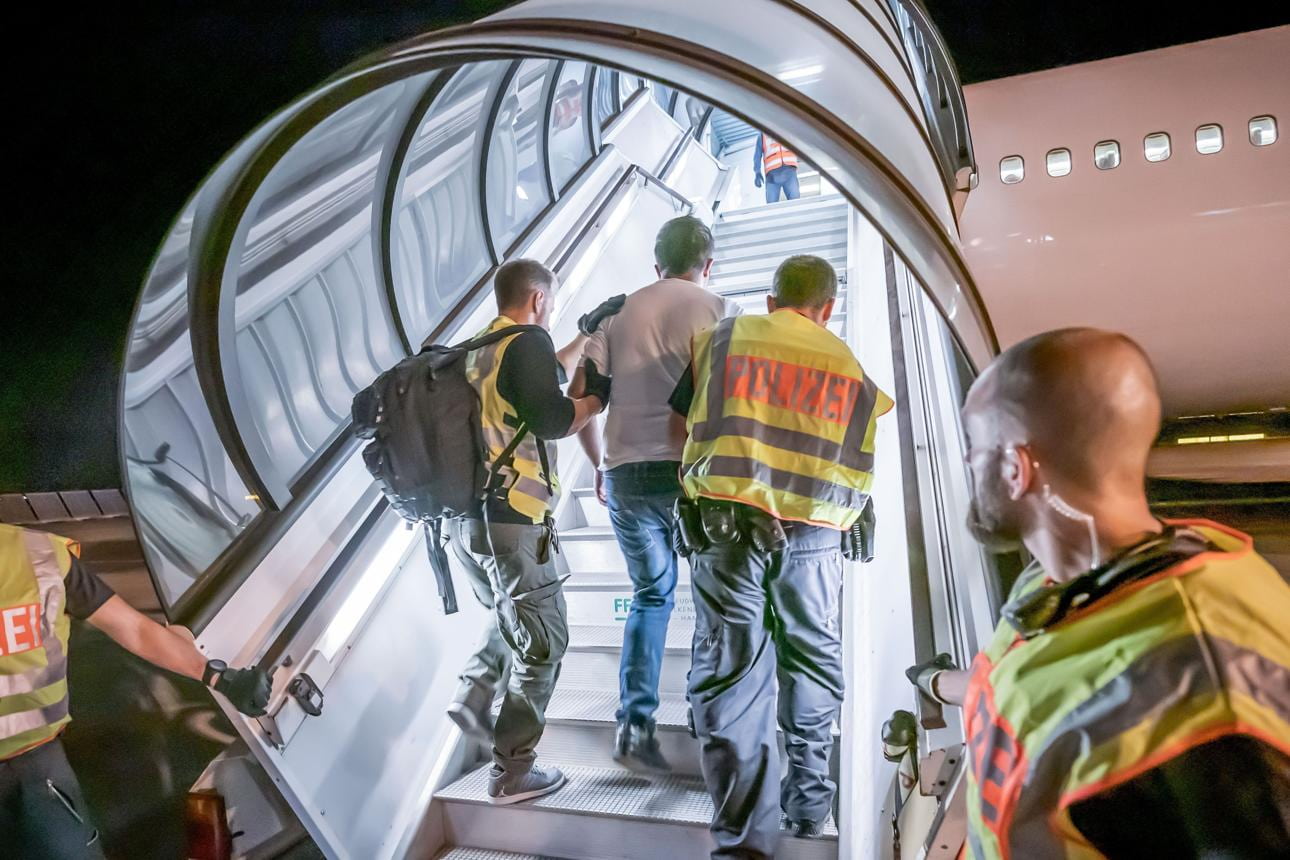
Berlin: Germany will test its right to send asylum seekers back to Italy on 19 August 2026, when federal police are due to escort a 22-year-old Somali woman from Bavaria to Rome, making her the first person moved under the revived system of Dublin transfers since Italy shut the door in December 2022.
The German interior ministry argues that the Pact on Migration and Asylum, which entered into application on 12 June 2026, restored the machinery that decides which member state owns an asylum claim. Berlin says the woman travelled through Italy before reaching Germany on 31 March, so Rome carries the responsibility.
Italy disagrees. Interior ministry sources in Rome said on 9 August that the country has no outstanding cases to accept, treating everyone who reached Europe before 12 June as part of a closed legacy caseload.
There are no Dublin cases to take back from Germany, Italian interior ministry sources said, describing pre-June arrivals as settled.
The dispute reaches further than one transfer. Germany registered the largest share of asylum applications in the bloc last year, and its government has spent the summer arguing that first-entry states must absorb more of the load. Italy counters that its reception system already carries the weight of Mediterranean arrivals.
Officials in both capitals now watch a single flight. If Rome accepts the woman, Berlin gains a precedent it can repeat across thousands of files. If Italian authorities refuse her at the airport, the responsibility rules the bloc spent five years rewriting lose their first real test.
The numbers behind the argument explain the heat:
- Italy suspended incoming Dublin transfers in December 2022, citing reception capacity
- The Pact on Migration and Asylum began applying on 12 June 2026
- Berlin says understandings reached with Rome and Athens in December 2025 cover arrivals from June 2026 onwards
- The first scheduled transfer falls on 19 August 2026
Greece sits in a similar position. German authorities have signalled that Athens will also receive returns under the same reading of the rules, and Greek officials have said little in public while the Italian case plays out.
The European Commission has kept its distance, noting that member states apply the responsibility criteria directly and that disputes travel through the courts rather than through Brussels. That silence suits neither capital, because both want political cover for a decision that carries domestic cost.
Dublin transfers have failed before for practical reasons rather than legal ones. Courts across Europe blocked returns to Greece after 2011 and to Hungary after 2016 once judges found reception conditions inadequate. German administrative courts may yet apply the same test to Italy, which would leave the Pact intact on paper and inoperable in practice.
The Pact replaced the old Dublin Regulation with a responsibility framework paired with a solidarity pool, letting states that refuse to accept transfers pay instead. Rome has argued that the payment route better reflects the pressure on southern coastlines. Berlin reads the same text as a duty to take people back.
Lawyers advising the Somali woman have filed against the transfer order, and a Bavarian court could still halt it. The European Commission pact on migration and asylum gives national judges room to weigh conditions in the receiving state, a check that has repeatedly outweighed political agreements between capitals.
Reporting by InfoMigrants on the Berlin-Rome standoff describes a diplomatic exchange that has grown sharper through August, with neither ministry willing to concede the reading of a treaty both signed.
Whatever happens on 19 August, the case sets the tone for the autumn. Interior ministers meet in October to review the first months of the Pact, and the Italian file will shape whether they treat the responsibility system as a working instrument or as a compromise that collapses on contact with a single flight.