Madrid: In the Spanish capital, where a pioneering 2021 law first dragged food-delivery couriers out of legal limbo, the rest of Europe is now wrestling with the same puzzle. By 2 December 2026 every member state must have written the EU Platform Work Directive into national law, and the choices made in national parliaments over the coming months will decide whether the rules reshape the gig economy or merely rebrand it.
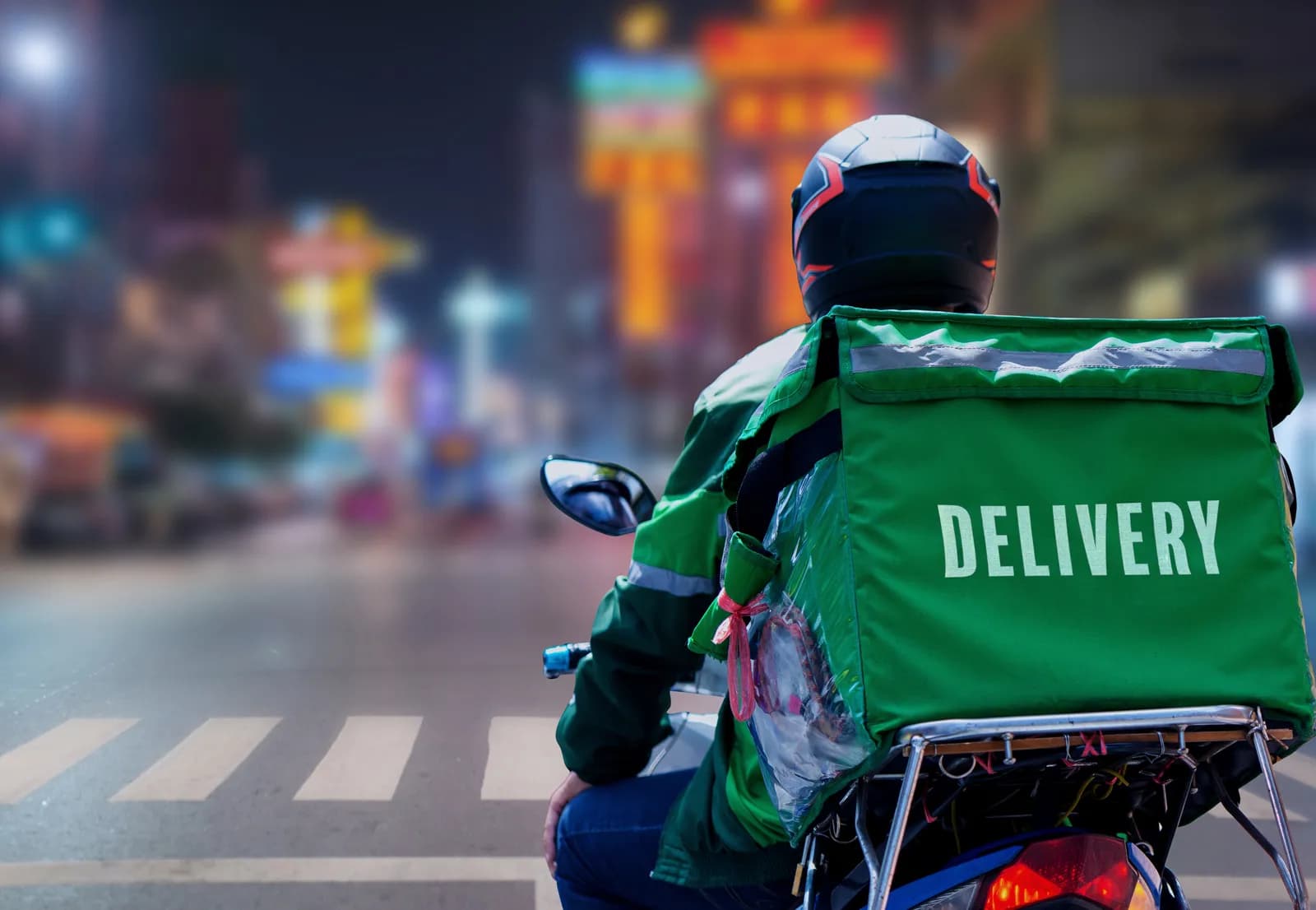
The directive, adopted in October 2024, targets a question that has produced contradictory court rulings across the continent for a decade. Is the rider weaving through traffic with a thermal backpack, or the driver summoned by an app, an independent entrepreneur or an employee in all but name? The text introduces a legal presumption of employment. Where the facts suggest a worker is being managed like staff, the law will assume employment status, and the platform, not the worker, must prove otherwise. For people who have long borne the burden of fighting for recognition one tribunal case at a time, that reversal is the heart of the reform.
The second pillar may prove more consequential still. The directive confronts algorithmic management, the invisible supervisor that allocates shifts, sets pay and deactivates accounts without a human ever speaking to the worker. Platforms will have to disclose how their automated systems make decisions, will be barred from processing certain sensitive data, and must place a human in the loop before consequential outcomes such as dismissal or suspension. It is, in effect, a workplace charter for jobs where the boss is a piece of software.
How much of this survives contact with national legislatures is the live question. Directives set the destination but leave the route to each capital, and the criteria that trigger the presumption of employment are precisely where lobbying will concentrate. A generously drawn presumption could move hundreds of thousands of couriers and drivers onto payrolls, with the sick pay, pensions and minimum-wage protections that follow. A narrow one could leave the old grey zone largely intact under a new label. Spain reclassified its riders and saw some platforms restructure rather than hire; others scaled back. The continent will now run thirty variations of that experiment at once.
Platforms argue that heavy-handed transposition will raise prices, cut the flexibility that many couriers say they value, and push work into the informal economy where no protection reaches. Unions reply that flexibility and employment are not opposites, and that the current model simply transfers business risk onto the people least able to carry it. Both arguments will be aired in committee rooms from Dublin to Warsaw before the year is out.
For workers, the practical stakes are concrete. Employment status determines whether an injured courier receives sick pay, whether an algorithm can fire someone without explanation, and whether a delivery rider accrues a pension at all. For the platforms, it determines the viability of a business model built on treating labour as a variable cost summoned on demand. For governments, it is a test of whether the social protections forged in an industrial age can be retrofitted to an economy run through smartphones.
The deadline is now six months away, and most member states have barely begun. The directive has set Europe’s ambition; the autumn legislative season will reveal how much of it the continent truly means.