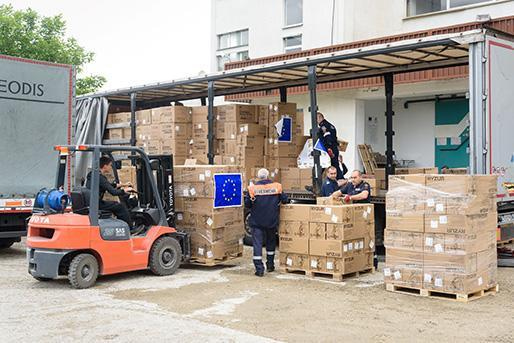
Kielce: The Polish hub city becomes the next anchor in the European Union’s rescEU strategic medical stockpile network, with operational handover of its expanded warehouse expected before the summer recess. The shift gives Brussels a fully provisioned eastern depot capable of moving ventilators, intensive-care beds, antiviral courses and chemical-biological-radiological-nuclear countermeasures into any member state inside seventy-two hours.
The expansion lands at a delicate moment for the European Civil Protection Mechanism. Member states ran the mechanism harder in 2025 than in any previous year, with forest fires, floods in central Europe and a drinking-water contamination event in the Balkans all triggering simultaneous activations during the same eight-week window in August. Capitals walked away from that summer convinced that the existing rescEU footprint, anchored on Germany, Hungary, Greece and Sweden, was too thin once more than two crises overlapped.
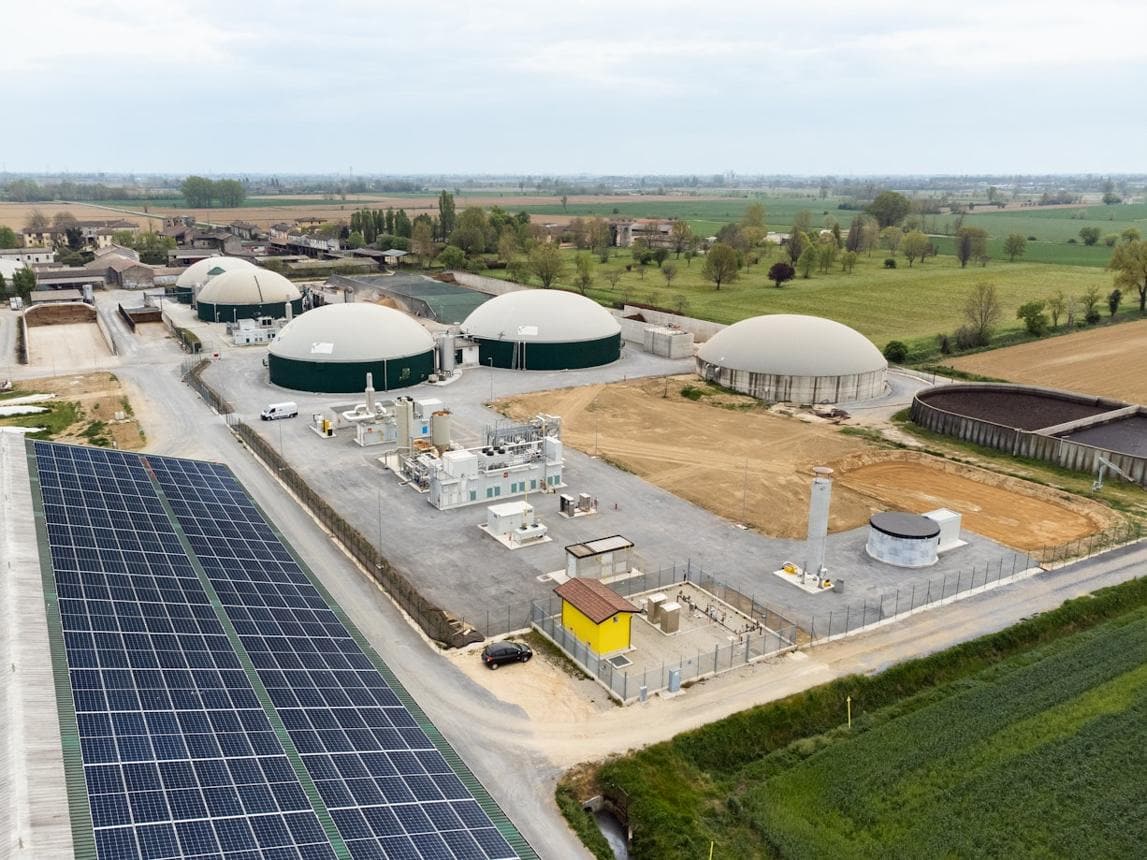
Kielce changes the geometry. The site offers easy connections to Poland’s rail freight corridor and to Rzeszów airport, which has been used as a logistics gateway for civilian aid flows toward Ukraine. Officials in DG ECHO describe the depot as the eastern leg of a triangle anchored by Padova in Italy and Aalborg in Denmark, with each location holding a complementary product mix rather than overlapping stocks. The point is to avoid duplicating chemical antidote vials that have a narrow shelf life while still ensuring no member state sits more than one transport day from the nearest functional cache.
Funding for the new tranche comes through the reinforced rescEU envelope that emerged from the MFF mid-term review, plus a top-up from the Health Emergency Preparedness and Response Authority, known as HERA. That cofinancing is what allowed the warehouse to add a temperature-controlled wing for biological countermeasures alongside the standard equipment hall. Member states host the depots, but the Commission owns the bulk of the contents and decides on deployments after a request lands through the Emergency Response Coordination Centre.
A second strand running through this push is the operationalisation of the new Disaster Resilience Goals, which capitals signed off on at the November 2025 Council. The five goals — anticipate, prepare, alert, respond, secure — turn what used to be a soft coordination framework into measurable national plans, with reporting obligations and peer review. Poland used Kielce as one of its anchor commitments under the respond pillar, which is why the depot got prioritised over alternative sites in Romania and Lithuania.
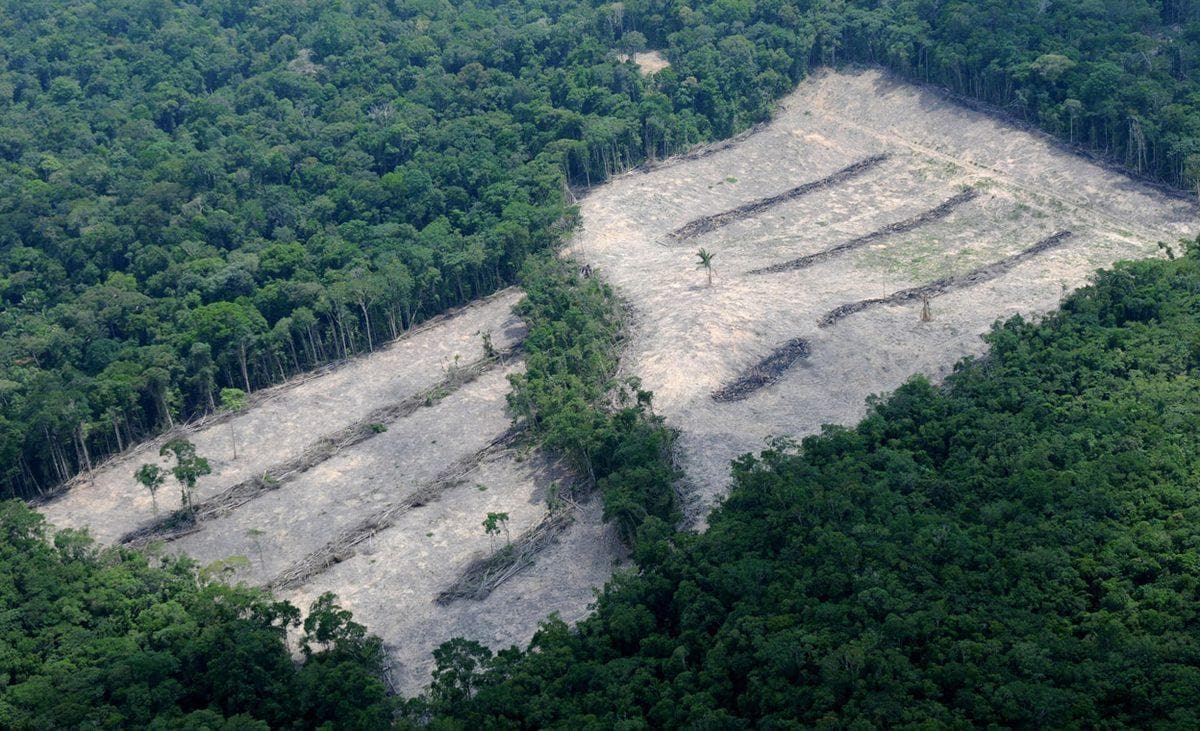
There is also a political signal embedded in the choice. By placing strategic stocks deeper inside the eastern flank, the Commission is hedging against the scenario where a regional crisis — wildfires across the Carpathians, a chemical incident on the Vistula, or a hybrid attack on critical infrastructure — overwhelms one capital’s national reserves. The depot can serve as a forward base without requiring stocks to be flown in from western Europe, which during 2025 caused friction over slot allocation at congested logistics hubs.
The next test arrives quickly. Brussels expects to publish a refreshed Union Civil Protection Knowledge Network work programme in June, including the first cross-border simulation under the new Disaster Resilience Goals framework. Kielce is pencilled in as the staging point. If the exercise validates the seventy-two-hour deployment target, the depot will likely become the template for at least two further rescEU sites tabled for 2027, with locations in the Iberian peninsula and the Baltic states currently leading the queue.