August 9, 2026
LATEST
New EU Gas Market Rules Take Effect With Consumer SafeguardsDeforestation Regulation Holds Its December Deadline Despite CutsDigital Omnibus Delays Europe’s High-Risk AI Deadline to 2027Europe’s Schools Confront a Widening Basic Skills GapRule of Law Report Finds Progress but Trust Still LagsIRIS2 Gains 66 Satellites as Brussels Signs the Rollout DealNature Restoration Plans Come Due as Member States Race a DeadlineECB Rates Hold at 2.25 Percent as Frankfurt Waits on the DataEU Budget Talks Turn to Cohesion as Ireland Takes OverWildfire Response Stretches Europe’s Emergency Fleet ThinCan Europe’s Quantum Plan Match Its Big Ambitions?Armenia Edges West as Moscow’s Grip Slips AwayEurope Inherits the World’s Aid Bill It Cannot Fully PayAir Passenger Rights Get Their First Overhaul in Two DecadesErasmus Opens a 5 Billion Euro Round for Skills and MobilityCeuta Crisis Pushes the EU Toward Faster Migrant ReturnsBulky Parcels Face a Packaging Crackdown From August 12Can Europe Build Its Drone Wall Before 2030 Arrives?Indonesia’s Trade Deal With Europe Nears Its Final SignatureEurope Leans on Beijing to Keep Climate Talks Alive Before AntalyaNew EU Gas Market Rules Take Effect With Consumer SafeguardsDeforestation Regulation Holds Its December Deadline Despite CutsDigital Omnibus Delays Europe’s High-Risk AI Deadline to 2027Europe’s Schools Confront a Widening Basic Skills GapRule of Law Report Finds Progress but Trust Still LagsIRIS2 Gains 66 Satellites as Brussels Signs the Rollout DealNature Restoration Plans Come Due as Member States Race a DeadlineECB Rates Hold at 2.25 Percent as Frankfurt Waits on the DataEU Budget Talks Turn to Cohesion as Ireland Takes OverWildfire Response Stretches Europe’s Emergency Fleet ThinCan Europe’s Quantum Plan Match Its Big Ambitions?Armenia Edges West as Moscow’s Grip Slips AwayEurope Inherits the World’s Aid Bill It Cannot Fully PayAir Passenger Rights Get Their First Overhaul in Two DecadesErasmus Opens a 5 Billion Euro Round for Skills and MobilityCeuta Crisis Pushes the EU Toward Faster Migrant ReturnsBulky Parcels Face a Packaging Crackdown From August 12Can Europe Build Its Drone Wall Before 2030 Arrives?Indonesia’s Trade Deal With Europe Nears Its Final SignatureEurope Leans on Beijing to Keep Climate Talks Alive Before Antalya
August 9, 2026
LATEST
New EU Gas Market Rules Take Effect With Consumer SafeguardsDeforestation Regulation Holds Its December Deadline Despite CutsDigital Omnibus Delays Europe’s High-Risk AI Deadline to 2027Europe’s Schools Confront a Widening Basic Skills GapRule of Law Report Finds Progress but Trust Still LagsIRIS2 Gains 66 Satellites as Brussels Signs the Rollout DealNature Restoration Plans Come Due as Member States Race a DeadlineECB Rates Hold at 2.25 Percent as Frankfurt Waits on the DataEU Budget Talks Turn to Cohesion as Ireland Takes OverWildfire Response Stretches Europe’s Emergency Fleet ThinCan Europe’s Quantum Plan Match Its Big Ambitions?Armenia Edges West as Moscow’s Grip Slips AwayEurope Inherits the World’s Aid Bill It Cannot Fully PayAir Passenger Rights Get Their First Overhaul in Two DecadesErasmus Opens a 5 Billion Euro Round for Skills and MobilityCeuta Crisis Pushes the EU Toward Faster Migrant ReturnsBulky Parcels Face a Packaging Crackdown From August 12Can Europe Build Its Drone Wall Before 2030 Arrives?Indonesia’s Trade Deal With Europe Nears Its Final SignatureEurope Leans on Beijing to Keep Climate Talks Alive Before AntalyaNew EU Gas Market Rules Take Effect With Consumer SafeguardsDeforestation Regulation Holds Its December Deadline Despite CutsDigital Omnibus Delays Europe’s High-Risk AI Deadline to 2027Europe’s Schools Confront a Widening Basic Skills GapRule of Law Report Finds Progress but Trust Still LagsIRIS2 Gains 66 Satellites as Brussels Signs the Rollout DealNature Restoration Plans Come Due as Member States Race a DeadlineECB Rates Hold at 2.25 Percent as Frankfurt Waits on the DataEU Budget Talks Turn to Cohesion as Ireland Takes OverWildfire Response Stretches Europe’s Emergency Fleet ThinCan Europe’s Quantum Plan Match Its Big Ambitions?Armenia Edges West as Moscow’s Grip Slips AwayEurope Inherits the World’s Aid Bill It Cannot Fully PayAir Passenger Rights Get Their First Overhaul in Two DecadesErasmus Opens a 5 Billion Euro Round for Skills and MobilityCeuta Crisis Pushes the EU Toward Faster Migrant ReturnsBulky Parcels Face a Packaging Crackdown From August 12Can Europe Build Its Drone Wall Before 2030 Arrives?Indonesia’s Trade Deal With Europe Nears Its Final SignatureEurope Leans on Beijing to Keep Climate Talks Alive Before Antalya

Member States Drag Their Feet On Restoring Europe’s Damaged Nature

Strasbourg: A law can pass with great fanfare and still arrive at the hard part quietly. Europe’s landmark commitment to bring degraded ecosystems back to life cleared its political hurdles after a bruising fight, and the celebrations were genuine. The reckoning now is that legislation written in a parliament has to be delivered in peat bogs, river floodplains and exhausted farmland, and that translation is where ambition tends to leak away.

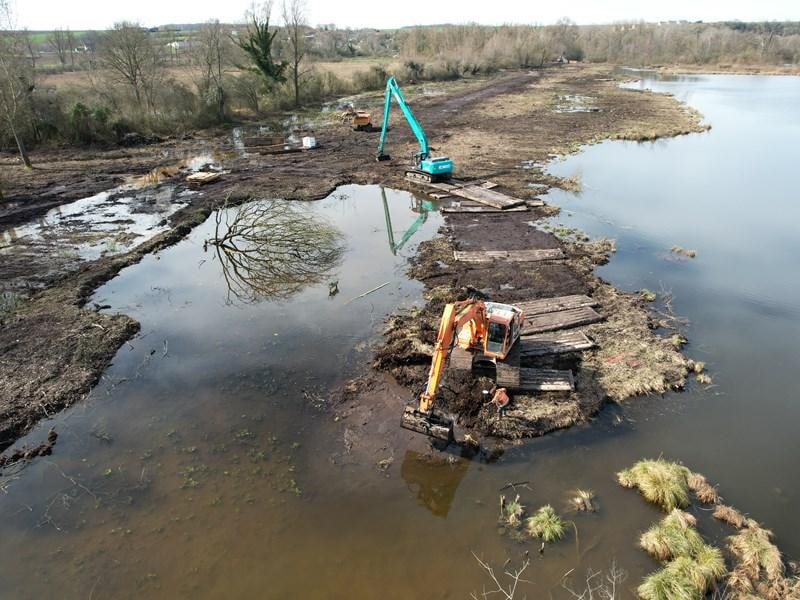
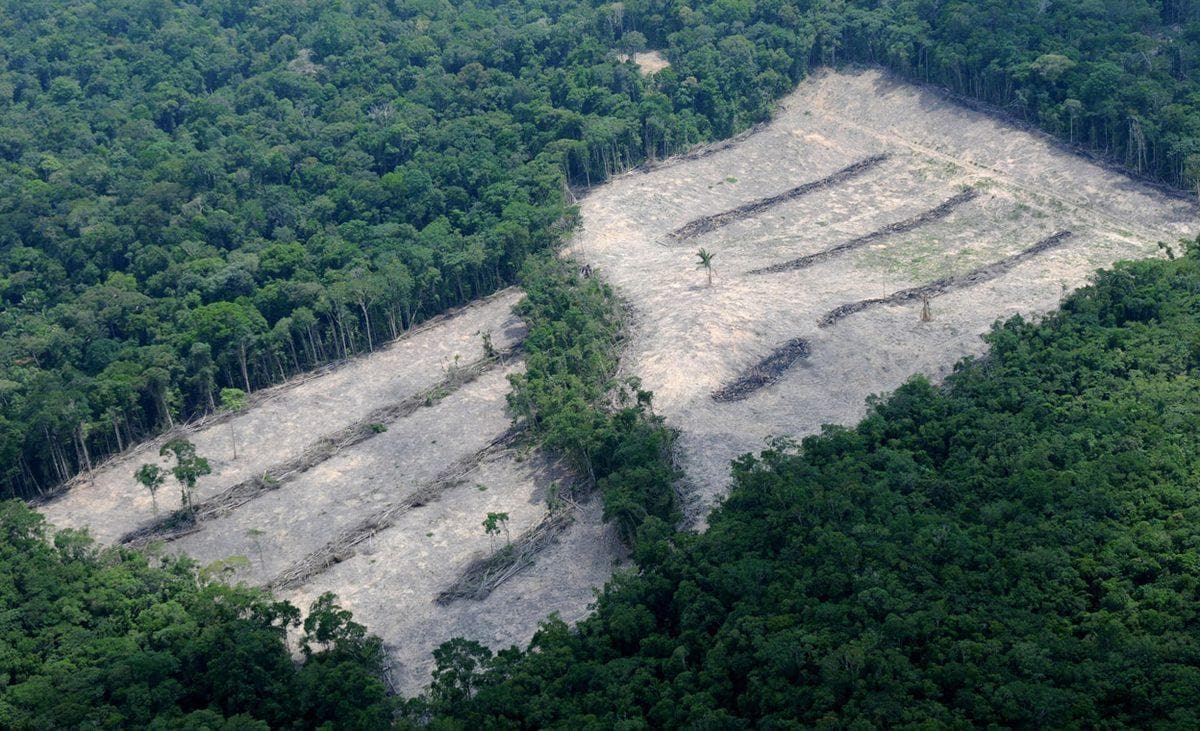
The premise behind the restoration push is that conservation alone has stopped being enough. Protecting what survives matters, but vast stretches of the continent’s land and water are already so depleted that simply guarding them locks in a diminished baseline. Restoration goes further and insists on reversal: rewetting drained marshes, reconnecting rivers to the plains they once flooded, returning hedgerows and pollinator habitat to landscapes scraped clean by decades of intensification. The targets are phased over years and decades, which is sensible ecology and also a convenient way to postpone the bills.

That postponement is where the trouble starts. Each member state is meant to draw up a national plan setting out exactly what it will restore, where, and with whose money. Several governments are visibly behind, and the reasons are familiar. Restoration competes with farming for land, and farm lobbies are formidable. It competes with construction for floodplains that developers would rather drain. And it competes with every other line in a stretched national budget, at a moment when ministers are being told to find money for defence, energy and debt service simultaneously.

The political coalition that fought the law has not disbanded; it has simply migrated to the implementation stage, where opposition is quieter and far more effective. A target softened in a national plan attracts none of the headlines that a parliamentary showdown would. A deadline allowed to slip generates no dramatic vote. The risk is a slow hollowing, where the framework stands intact on paper while the substance underneath it thins year by year.

Defenders of the timetable argue that the costs of inaction are being wildly underpriced. Healthy wetlands store carbon and buffer floods that would otherwise drown towns and cost billions. Pollinators that vanish take a chunk of agricultural yield with them. Rivers allowed to spread across their natural plains protect cities downstream more cheaply than concrete ever will. Framed that way, restoration is not a luxury competing with serious priorities but an insurance policy against the very disasters that are already straining public finances.

Farmers are not the villains in this account, whatever the caricature suggests. Many depend directly on the pollination, the stable water and the fertile soil that restoration is meant to rebuild, and the most durable schemes are the ones that pay landholders properly to deliver those public goods rather than imposing them as an unfunded burden. The schemes that fail are invariably the ones that treat the people who manage the land as obstacles rather than partners.

What happens next is largely a test of follow-through, the least glamorous political virtue. The grand vote is over and the cameras have moved on. Whether Europe actually restores its damaged nature now depends on twenty-seven sets of officials filing credible plans, twenty-seven finance ministries funding them, and a watchful public refusing to let a hard-won law quietly fade into a missed deadline. The ecosystems cannot lobby for themselves, which is precisely why the foot-dragging is so tempting and so consequential.