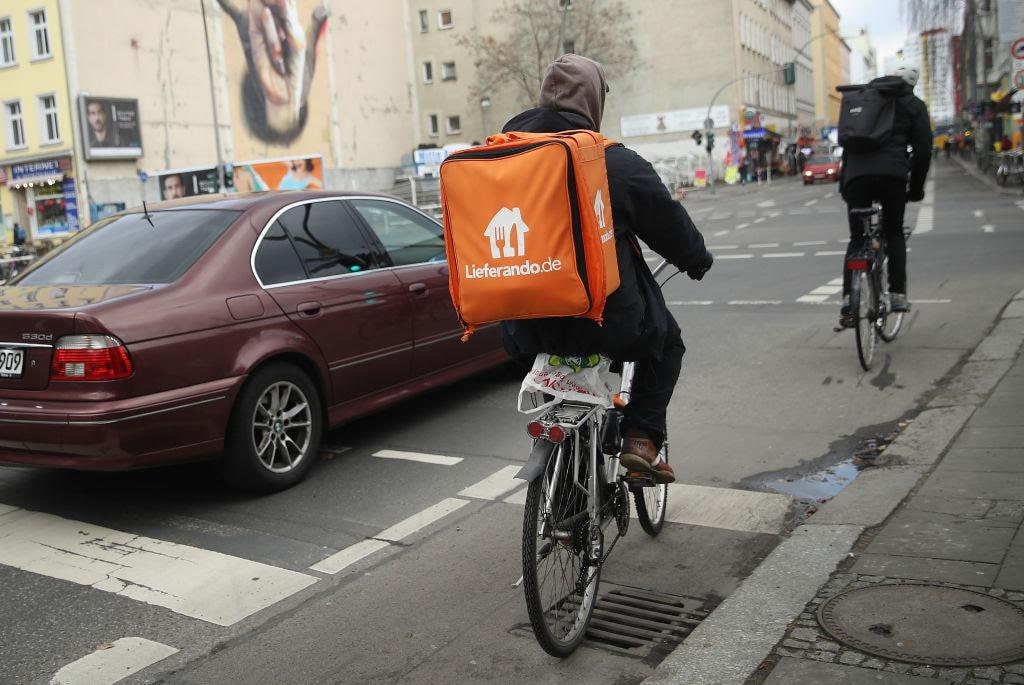
Berlin: Germany has begun turning the European Union’s platform work rules into national law, joining a scramble across the bloc to meet a fast-approaching deadline. Every member state must transpose the platform work directive by 2 December 2026, and the clock is now the dominant concern for governments, unions, and the ride-hailing and delivery firms caught in between.
The directive, formally Directive (EU) 2024/2831, took effect on 1 December 2024 after the Parliament and Council signed off in October that year. It sets minimum standards for the millions of people who earn a living through digital labour platforms, from food couriers to freelance marketplaces, and the Commission has estimated that more than 28 million people work this way in Europe.
At its core sits the question of employment status. The rules create a legal presumption of employment when a working relationship shows signs of control and direction, shifting the burden onto platforms to prove that a person is genuinely self-employed. For companies that built their models on armies of independent contractors, that reversal is a direct challenge.
The second pillar targets the algorithms. Platforms will have to disclose how automated systems allocate jobs, set pay, and restrict or deactivate accounts, and they must let human staff review consequential decisions. Workers gain the right to understand why an app sent them one order and not another, or why their account was suddenly suspended.
How each capital writes these principles into law will shape their bite. The directive leaves member states room to design the presumption of employment and the bodies that resolve disputes, so the same European framework could deliver very different outcomes depending on national choices. Frontrunners such as France and Spain have already amended their laws to widen coverage and build dispute-resolution channels.
Germany’s move signals that a large labour market is now engaging seriously rather than waiting for the deadline to bite. Berlin’s approach matters well beyond its borders, because platforms tend to run near-identical operations across the continent and will watch closely to see which model becomes the template.
Employers’ groups warn that an aggressive presumption of employment could raise costs and push some services to shrink or pull back, while unions counter that misclassification has denied couriers and drivers basic protections such as sick pay and minimum wage. Both camps agree the coming months of national drafting will decide who wins the argument in practice.
With roughly four months left, attention turns to the states that have yet to publish draft texts. The Commission can open infringement proceedings against governments that miss the December deadline, giving stragglers a strong incentive to act. Details of the law sit in the official text of Directive (EU) 2024/2831 and the Commission’s summary of the rules on working conditions in platform work.