August 9, 2026
LATEST
New EU Gas Market Rules Take Effect With Consumer SafeguardsDeforestation Regulation Holds Its December Deadline Despite CutsDigital Omnibus Delays Europe’s High-Risk AI Deadline to 2027Europe’s Schools Confront a Widening Basic Skills GapRule of Law Report Finds Progress but Trust Still LagsIRIS2 Gains 66 Satellites as Brussels Signs the Rollout DealNature Restoration Plans Come Due as Member States Race a DeadlineECB Rates Hold at 2.25 Percent as Frankfurt Waits on the DataEU Budget Talks Turn to Cohesion as Ireland Takes OverWildfire Response Stretches Europe’s Emergency Fleet ThinCan Europe’s Quantum Plan Match Its Big Ambitions?Armenia Edges West as Moscow’s Grip Slips AwayEurope Inherits the World’s Aid Bill It Cannot Fully PayAir Passenger Rights Get Their First Overhaul in Two DecadesErasmus Opens a 5 Billion Euro Round for Skills and MobilityCeuta Crisis Pushes the EU Toward Faster Migrant ReturnsBulky Parcels Face a Packaging Crackdown From August 12Can Europe Build Its Drone Wall Before 2030 Arrives?Indonesia’s Trade Deal With Europe Nears Its Final SignatureEurope Leans on Beijing to Keep Climate Talks Alive Before AntalyaNew EU Gas Market Rules Take Effect With Consumer SafeguardsDeforestation Regulation Holds Its December Deadline Despite CutsDigital Omnibus Delays Europe’s High-Risk AI Deadline to 2027Europe’s Schools Confront a Widening Basic Skills GapRule of Law Report Finds Progress but Trust Still LagsIRIS2 Gains 66 Satellites as Brussels Signs the Rollout DealNature Restoration Plans Come Due as Member States Race a DeadlineECB Rates Hold at 2.25 Percent as Frankfurt Waits on the DataEU Budget Talks Turn to Cohesion as Ireland Takes OverWildfire Response Stretches Europe’s Emergency Fleet ThinCan Europe’s Quantum Plan Match Its Big Ambitions?Armenia Edges West as Moscow’s Grip Slips AwayEurope Inherits the World’s Aid Bill It Cannot Fully PayAir Passenger Rights Get Their First Overhaul in Two DecadesErasmus Opens a 5 Billion Euro Round for Skills and MobilityCeuta Crisis Pushes the EU Toward Faster Migrant ReturnsBulky Parcels Face a Packaging Crackdown From August 12Can Europe Build Its Drone Wall Before 2030 Arrives?Indonesia’s Trade Deal With Europe Nears Its Final SignatureEurope Leans on Beijing to Keep Climate Talks Alive Before Antalya
August 9, 2026
LATEST
New EU Gas Market Rules Take Effect With Consumer SafeguardsDeforestation Regulation Holds Its December Deadline Despite CutsDigital Omnibus Delays Europe’s High-Risk AI Deadline to 2027Europe’s Schools Confront a Widening Basic Skills GapRule of Law Report Finds Progress but Trust Still LagsIRIS2 Gains 66 Satellites as Brussels Signs the Rollout DealNature Restoration Plans Come Due as Member States Race a DeadlineECB Rates Hold at 2.25 Percent as Frankfurt Waits on the DataEU Budget Talks Turn to Cohesion as Ireland Takes OverWildfire Response Stretches Europe’s Emergency Fleet ThinCan Europe’s Quantum Plan Match Its Big Ambitions?Armenia Edges West as Moscow’s Grip Slips AwayEurope Inherits the World’s Aid Bill It Cannot Fully PayAir Passenger Rights Get Their First Overhaul in Two DecadesErasmus Opens a 5 Billion Euro Round for Skills and MobilityCeuta Crisis Pushes the EU Toward Faster Migrant ReturnsBulky Parcels Face a Packaging Crackdown From August 12Can Europe Build Its Drone Wall Before 2030 Arrives?Indonesia’s Trade Deal With Europe Nears Its Final SignatureEurope Leans on Beijing to Keep Climate Talks Alive Before AntalyaNew EU Gas Market Rules Take Effect With Consumer SafeguardsDeforestation Regulation Holds Its December Deadline Despite CutsDigital Omnibus Delays Europe’s High-Risk AI Deadline to 2027Europe’s Schools Confront a Widening Basic Skills GapRule of Law Report Finds Progress but Trust Still LagsIRIS2 Gains 66 Satellites as Brussels Signs the Rollout DealNature Restoration Plans Come Due as Member States Race a DeadlineECB Rates Hold at 2.25 Percent as Frankfurt Waits on the DataEU Budget Talks Turn to Cohesion as Ireland Takes OverWildfire Response Stretches Europe’s Emergency Fleet ThinCan Europe’s Quantum Plan Match Its Big Ambitions?Armenia Edges West as Moscow’s Grip Slips AwayEurope Inherits the World’s Aid Bill It Cannot Fully PayAir Passenger Rights Get Their First Overhaul in Two DecadesErasmus Opens a 5 Billion Euro Round for Skills and MobilityCeuta Crisis Pushes the EU Toward Faster Migrant ReturnsBulky Parcels Face a Packaging Crackdown From August 12Can Europe Build Its Drone Wall Before 2030 Arrives?Indonesia’s Trade Deal With Europe Nears Its Final SignatureEurope Leans on Beijing to Keep Climate Talks Alive Before Antalya

Nature Restoration Plans Are Due in Ten Weeks and States Lag

Brussels: The Nature Restoration Regulation was the most contested green file of the last mandate, surviving a knife-edge vote and a wave of farm protests before it entered force. Now comes the harder part. By 1 September, every member state must hand Brussels a draft national restoration plan setting out how it intends to put degraded ecosystems back on a path to recovery, and with barely ten weeks to go, the early evidence suggests most are not ready.

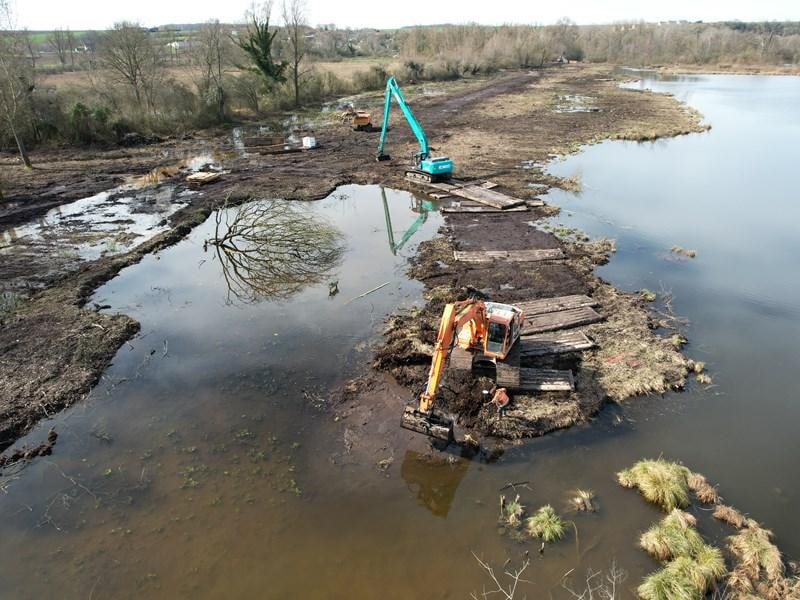
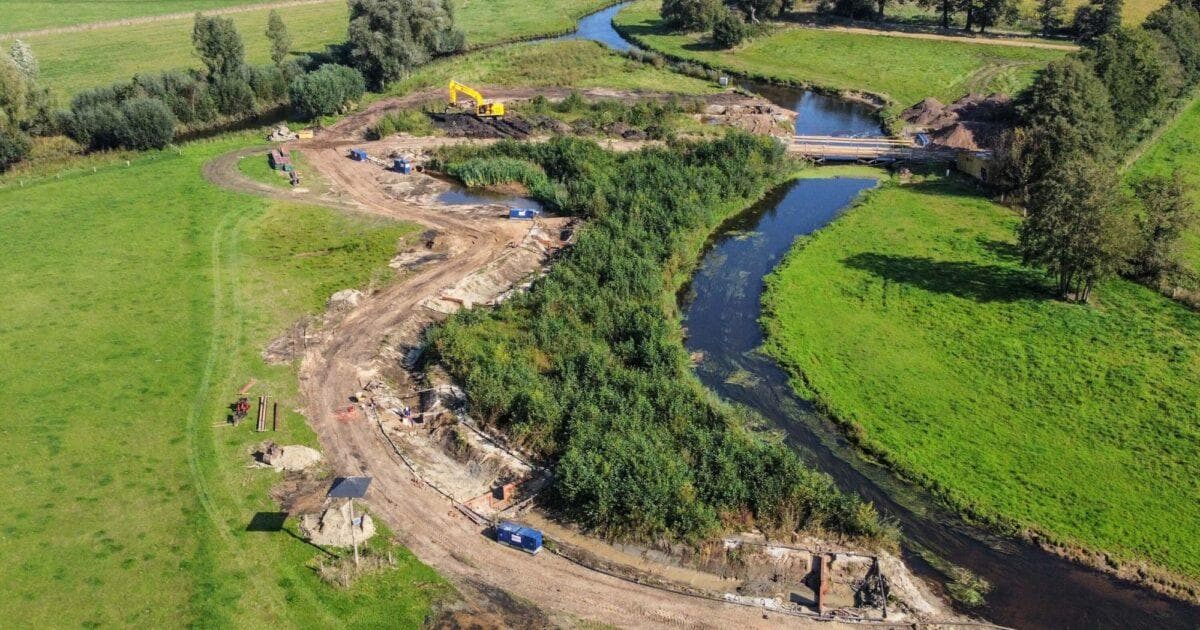
The law’s ambition is unusually concrete for an environmental measure. Governments must restore at least 30 percent of habitats in poor condition by 2030, 60 percent by 2040 and 90 percent by mid-century, covering everything from drained peatlands and degraded rivers to urban green space and farmland with collapsing pollinator populations. The national plans are where those headline targets become real: each must identify the ecosystems that need work, name the measures, set timelines and, the part capitals dread, spell out how it all gets paid for.

A mid-term assessment published late last year by conservation groups found progress patchy at best. A handful of governments have done serious preparatory mapping and modelling; many others have barely begun, citing thin data, stretched environment ministries and unresolved fights with farm and forestry lobbies over who bears the cost. The Commission has tried to lower the barrier, adopting a standardised planning template built with the European Environment Agency so that states are not each inventing their own format, and releasing a planning tool to cut duplication. Useful, but no substitute for political will.

The funding question is the one that keeps surfacing. Restoration is cheap relative to the damage it prevents, since flood protection, water purification, carbon storage and crop pollination are worth far more than the cost of the work, but those benefits accrue over decades while the bills land now. With the next long-term EU budget proposing to fold rural and environmental money into broader national pots, governments have a convenient reason to wait and see how much support will actually be available before committing to expensive measures.

There is also a credibility dimension. The regulation was sold, narrowly, as proof that Europe could pursue an ambitious environmental agenda without crushing the people who work the land. If the first major deadline passes with a clutch of vague or missing plans, opponents who argued the law was unworkable will feel vindicated, and the 2030 targets will start to look rhetorical. Draft plans are not the finish line, since final versions are due in 2027 and the Commission has six months to demand improvements, but they are the first public test of whether capitals meant what they signed.

The deadline will almost certainly be met on paper. The real measure is quality: whether the September drafts contain costed, mapped, time-bound commitments or placeholder language designed to buy another year. On current form, Europe is heading for a mix of both, and the gap between the leaders and the laggards is about to become impossible to hide.