
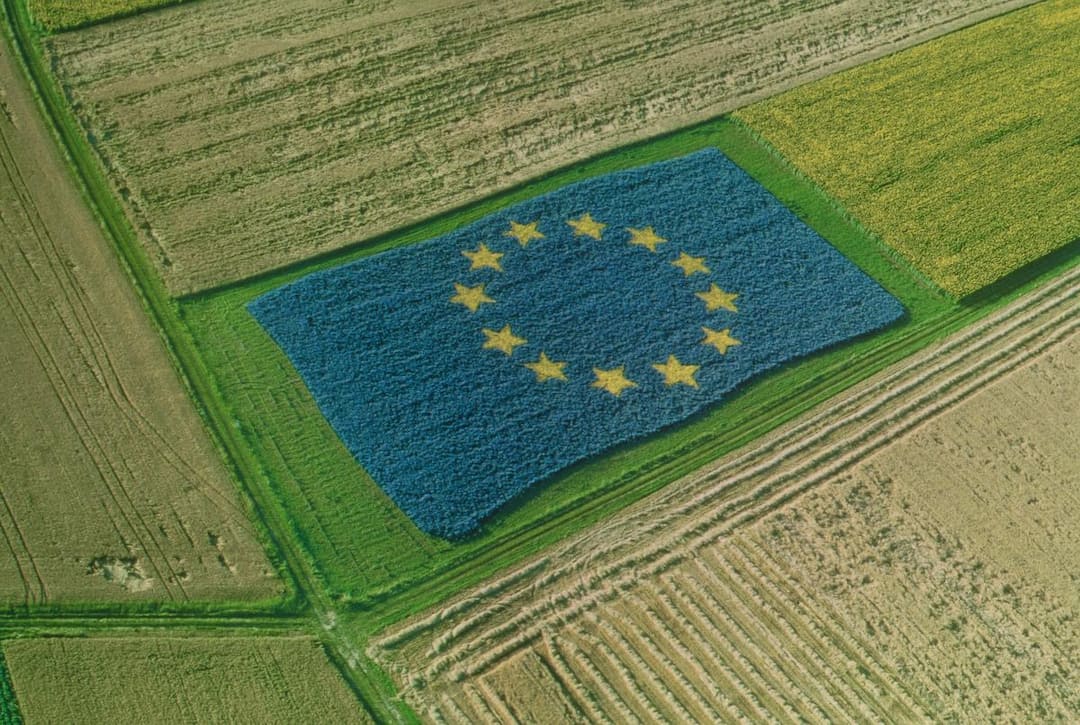
Warsaw: The fight over the next farm budget is no longer really about money. It is about whether farm money will still have a name of its own. The Commission’s blueprint for the period after 2027 would dissolve the two dedicated agricultural funds and pour their contents into a vast new National and Regional Partnership pot, a single envelope each capital would draw on for cohesion, fisheries, defence capabilities, and farming alike. For Brussels it is the logic of flexibility. For a large bloc of the Parliament it is the moment the safety net starts to fray.
The agriculture committee has come out swinging against the merger. Its message is blunt: farm support must not become one line item in a national menu where it competes against roads, ports, and military kit for the same euros. The committee wants the policy kept standalone, with its own budget, and it wants that budget larger rather than folded away. The worry is concrete. If a government in a tight year can move funds out of farming toward more politically urgent files, income support for farmers stops being predictable, and predictability is the entire point of the payments.
The Commission has tried to soften the blow with a ring-fence. Its plan would reserve a floor of income and crisis support, a figure floated in the region of three hundred billion euros, that could not be siphoned off to other uses, alongside a separate pool governments could tap from 2028 to answer sudden shocks in their rural economies. On paper that protects the core. The skeptics in the Parliament are unconvinced, because a ring-fence is only ever as strong as the political will to defend it, and a fence inside a shared fund is easier to argue away than a fund standing on its own.
Underneath the institutional wrangle sits a real shift in how the money would reach the ground. The plan leans harder on national and regional plans, handing capitals more room to tailor spending to local conditions. Supporters call that subsidiarity finally done properly, an end to the one-size-fits-all conditionality that farmers have complained about for years. Critics see twenty-seven different farm policies emerging under one flag, with the genuine risk that a level playing field across the single market quietly erodes as each government writes its own rules.
Farm groups, for their part, are reading the proposal through the lens of the protests that swept the continent’s roads not long ago. They remember how quickly grievance over paperwork, prices, and green strings turned into tractors outside ministries. A budget structure that looks like a downgrade, however it is dressed up in talk of simplification, is exactly the kind of signal that can light that fuse again. The smallholders stand to gain from the higher flat payments and lighter conditionality on offer, yet even they are wary of a design that makes the overall pot easier to raid.
The institutional choreography from here is long. The Parliament and the Council both have to find their footing on the wider budget before the farm chapter can be locked, and the agriculture committee has signalled it will treat the standalone question as a line it does not intend to cross. That sets up a slow contest of leverage that will run deep into the budget talks.
What is striking is how much the argument has moved away from the familiar quarrels over green conditions and direct payment rates. This time the structure itself is the battlefield. Whether the common policy keeps its own purse, or becomes a guest in someone else’s, is the question that will shape every farm in the union for the better part of a decade.


