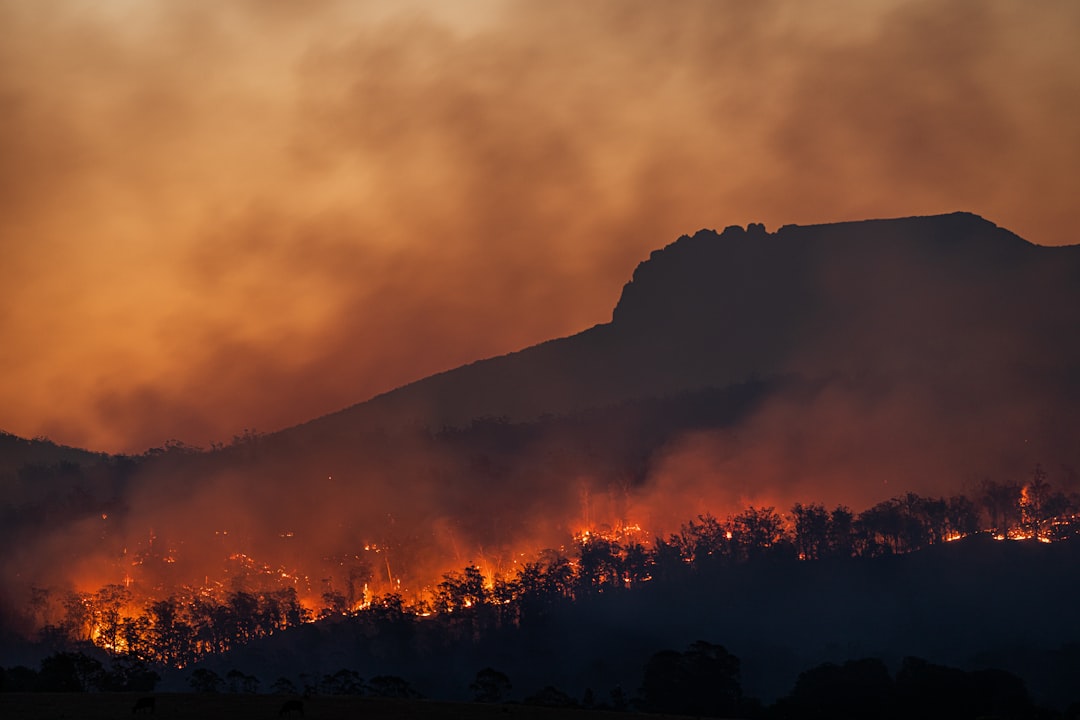
Brussels: A record wildfire response swung into action across southern Europe this month after Portugal and France triggered the EU Civil Protection Mechanism, forcing the Commission to pool aircraft, crews and vehicles from a dozen countries. Portugal activated the mechanism on 3 July and France followed on 5 July, as several blazes burned thousands of hectares at once.
The European Commission answered by mobilising a fleet of rescEU firefighting airplanes and a wave of ground reinforcements. It dispatched four rescEU aircraft drawn from Sweden and Cyprus toward the affected zones, while three more rescEU planes from Italy and Spain joined the fight, according to the Commission’s civil protection operations service.
Spain moved fast on the ground. Some 118 firefighters and 45 vehicles arrived in Portugal within hours of the request, a reminder that the wildfire response now leans as much on convoys of trucks as on water bombers overhead.
Brussels had braced for exactly this summer. Ahead of the season the Commission pre-positioned 777 firefighters from 14 European countries in high-risk areas across Cyprus, Greece, Italy, France, Spain and Portugal, calling it the largest such deployment it has ever staged. That forward posture let crews reach the fires before flames spread further.
The system rests on two pillars. When a disaster overwhelms a country, its government can ask for help through the Civil Protection Mechanism, and other members offer whatever they can spare. rescEU sits behind that as a strategic reserve of planes, helicopters and equipment that the Union owns or funds directly, designed for moments when national fleets run short.
Climate scientists and emergency planners expect these calls to grow more frequent as hotter, drier summers lengthen the fire season around the Mediterranean. Every large activation tests whether the shared reserve is deep enough, and this month several countries needed help at the same time.
The strain has pushed the Commission to keep expanding rescEU, adding aircraft and pre-positioned teams year after year. Officials argue that a common fleet spreads the cost and the risk, so that no single country carries the burden of a bad fire season alone.
For residents forced from their homes in Portugal and France, the arithmetic is simpler. The speed of the wildfire response, measured in the hours it takes a Swedish plane or a Spanish convoy to arrive, can decide whether a village survives. As the summer wears on, Brussels will be watching how much of its shared reserve remains for the fires still to come.