Frankfurt: Europe is sitting on a fortune it refuses to put to work. Roughly ten trillion euros of household savings rest in low-yield bank deposits across the bloc, earning little and financing even less of the investment the continent says it urgently needs. The Savings and Investments Union, the strategy the Commission unveiled last year, is the latest attempt to coax that money off the sidelines, and the past few months have shown both how ambitious the project is and how much of it depends on the banks themselves.
The diagnosis is uncontested. American households hold a far larger share of their wealth in shares, funds and pensions, which channels private money into companies and infrastructure. European savers, by habit and by a tax-and-regulatory system that rewards caution, leave their cash in accounts that barely outpace inflation. The cost is not only thinner returns for families but a chronic shortage of risk capital for the firms meant to drive the green and digital transitions. Closing that gap, officials argue, is now a matter of competitiveness rather than financial housekeeping.
The hard part is execution, and here the Commission has begun to move on the technical levers that actually matter. It has adopted measures aimed at freeing institutional money, including a delegated act under the Solvency II regime that governs insurers and a communication on how banks’ equity investments are treated for prudential purposes. The logic is straightforward: if the rules penalise a bank or insurer for holding long-term equity stakes, they will hold government bonds instead, and the savings stay trapped in the safest, least productive corner of the system. Loosen those rules carefully and capital can flow toward businesses.
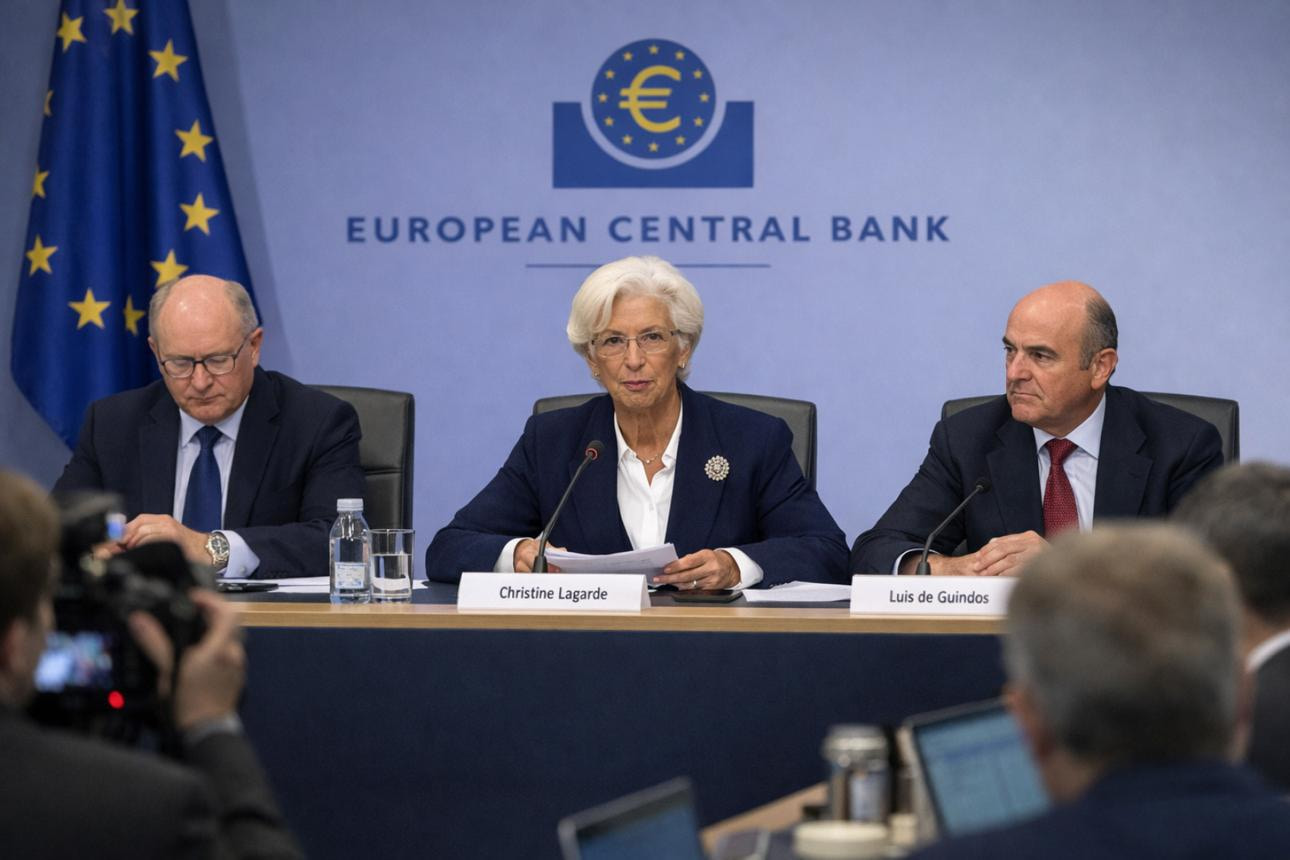
Supervisors at the European Central Bank have made an unusually public case for the project, framing banks not as bystanders but as strategic enablers of a market-based system. That is a notable shift in tone. For years the post-crisis instinct was to make banks smaller in the economy’s risk-taking and larger in their capital buffers. The new message is that a healthy union needs bank finance and market finance reinforcing each other, with lenders helping savers move into capital markets rather than guarding deposits as an end in themselves.
The risks deserve as much attention as the promise. Encouraging ordinary savers toward higher-yielding, higher-risk products is sensible only if it comes with genuine protection, transparent costs and advice that serves the saver rather than the seller. Europe’s history with mis-sold financial products is not reassuring, and a strategy that nudges households out of deposits without strong consumer safeguards could discredit the whole endeavour after a single market downturn. Loosening prudential treatment also reopens an old argument about whether lighter capital rules quietly rebuild the fragility that the post-2008 reforms were designed to remove.
Then there is the politics. A true savings and investments union requires harmonised insolvency rules, more integrated supervision and a willingness by member states to cede control over corners of their financial systems they have long guarded. Every previous attempt at capital markets union foundered on exactly that reluctance. The rebranding to a savings and investments union is partly an admission that the earlier project stalled, and the measures adopted so far, while real, are incremental rather than transformative. The ten trillion euros will not move because of a strategy document. They will move only if savers are given safe, attractive reasons to take a risk, and if governments finally accept that an integrated market means surrendering a little national control. Neither is guaranteed.