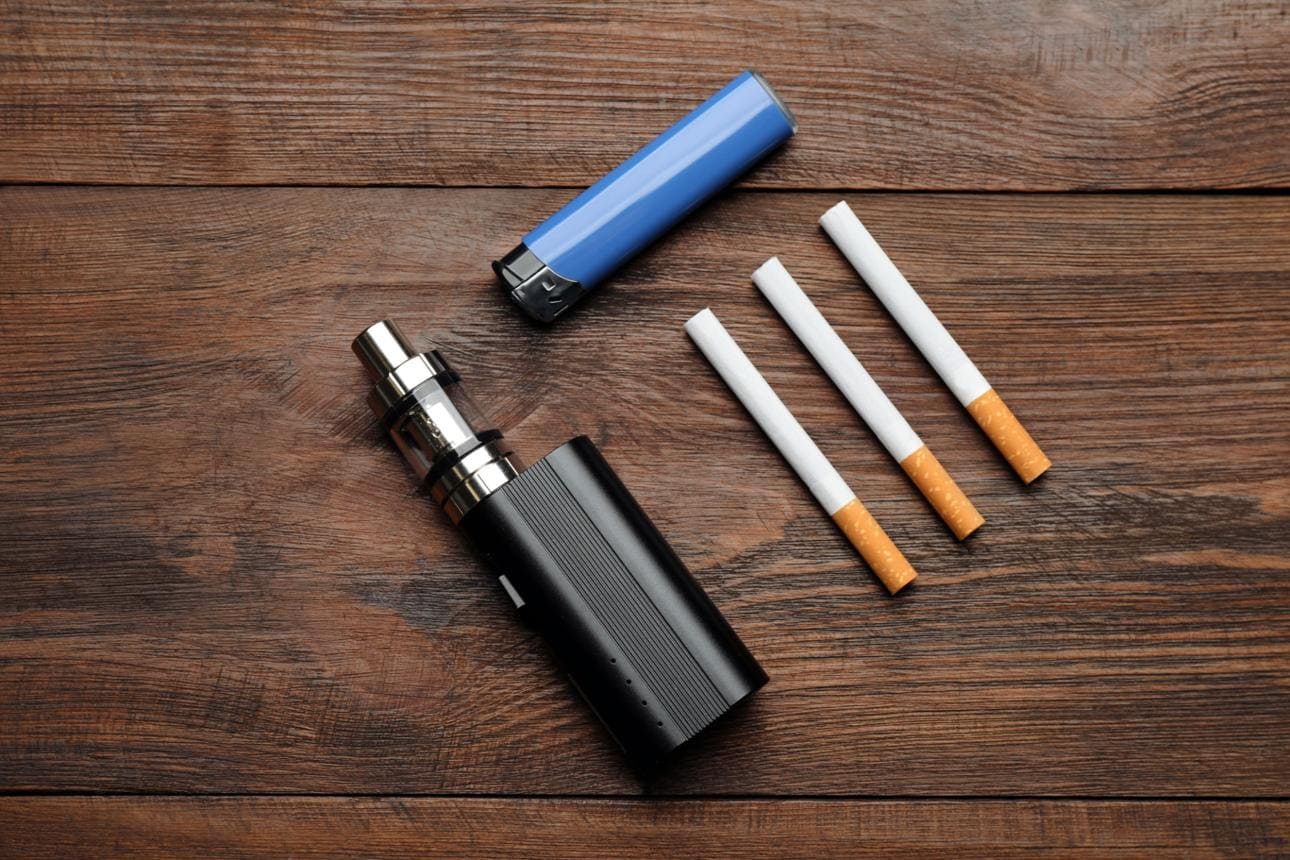
Brussels: The long-delayed revision of the EU’s Tobacco Excise Directive is once again running into the wall that has stopped it for years, as finance ministers weigh the politics of raising duties in a cost-of-living summer. The Commission’s plan would lift minimum rates across the bloc and, for the first time, bring novel products such as heated tobacco, e-cigarettes and nicotine pouches into a harmonised tax band. On paper it is a public-health measure with fiscal benefits. In practice it has become a test of how far governments will go when the tax touches millions of ordinary consumers.
The case for reform is straightforward. The current minimums date from 2011 and have been eroded by inflation, leaving wide gaps between the cheapest and most expensive markets. Those gaps fuel cross-border shopping and smuggling, draining revenue from higher-tax states and undercutting the deterrent effect that excise duties are meant to have on consumption. Health ministries point to stubborn smoking rates and the rapid, largely untaxed rise of vaping among young people as reasons to act now rather than wait another decade.
Yet taxation remains one of the few areas where a single capital can halt the entire bloc, because changes require unanimity in the Council. That rule hands outsized leverage to member states with large tobacco-growing sectors or lower price points, several of which argue that steep minimum increases would hit poorer smokers hardest and push more trade into the black market. Governments facing elections are especially wary of any levy that opponents can brand a tax on the working class.
The fight over new nicotine products adds a second front. Manufacturers of heated tobacco and pouches argue they offer a less harmful alternative and should be taxed more gently than cigarettes, a position some governments echo. Health campaigners counter that a soft touch simply creates a fresh loophole and normalises nicotine for a new generation. Where the lines are drawn will shape a market worth billions and set a precedent for how the Union taxes products that did not exist when the current rules were written.
What happens next matters beyond the ashtray. A modern excise framework would give the bloc a rare example of tax harmonisation delivering both revenue and a shared health goal, and would test whether unanimity can still produce agreement on anything politically uncomfortable. If the file slips again, it will reinforce a familiar critique: that the EU can legislate ambitiously on markets and climate but freezes whenever the bill lands directly in voters’ pockets. For now the directive sits where it has sat before, close enough to touch and far enough to fail, while ministers calculate whether the health argument is worth the political price.