August 9, 2026
LATEST
New EU Gas Market Rules Take Effect With Consumer SafeguardsDeforestation Regulation Holds Its December Deadline Despite CutsDigital Omnibus Delays Europe’s High-Risk AI Deadline to 2027Europe’s Schools Confront a Widening Basic Skills GapRule of Law Report Finds Progress but Trust Still LagsIRIS2 Gains 66 Satellites as Brussels Signs the Rollout DealNature Restoration Plans Come Due as Member States Race a DeadlineECB Rates Hold at 2.25 Percent as Frankfurt Waits on the DataEU Budget Talks Turn to Cohesion as Ireland Takes OverWildfire Response Stretches Europe’s Emergency Fleet ThinCan Europe’s Quantum Plan Match Its Big Ambitions?Armenia Edges West as Moscow’s Grip Slips AwayEurope Inherits the World’s Aid Bill It Cannot Fully PayAir Passenger Rights Get Their First Overhaul in Two DecadesErasmus Opens a 5 Billion Euro Round for Skills and MobilityCeuta Crisis Pushes the EU Toward Faster Migrant ReturnsBulky Parcels Face a Packaging Crackdown From August 12Can Europe Build Its Drone Wall Before 2030 Arrives?Indonesia’s Trade Deal With Europe Nears Its Final SignatureEurope Leans on Beijing to Keep Climate Talks Alive Before AntalyaNew EU Gas Market Rules Take Effect With Consumer SafeguardsDeforestation Regulation Holds Its December Deadline Despite CutsDigital Omnibus Delays Europe’s High-Risk AI Deadline to 2027Europe’s Schools Confront a Widening Basic Skills GapRule of Law Report Finds Progress but Trust Still LagsIRIS2 Gains 66 Satellites as Brussels Signs the Rollout DealNature Restoration Plans Come Due as Member States Race a DeadlineECB Rates Hold at 2.25 Percent as Frankfurt Waits on the DataEU Budget Talks Turn to Cohesion as Ireland Takes OverWildfire Response Stretches Europe’s Emergency Fleet ThinCan Europe’s Quantum Plan Match Its Big Ambitions?Armenia Edges West as Moscow’s Grip Slips AwayEurope Inherits the World’s Aid Bill It Cannot Fully PayAir Passenger Rights Get Their First Overhaul in Two DecadesErasmus Opens a 5 Billion Euro Round for Skills and MobilityCeuta Crisis Pushes the EU Toward Faster Migrant ReturnsBulky Parcels Face a Packaging Crackdown From August 12Can Europe Build Its Drone Wall Before 2030 Arrives?Indonesia’s Trade Deal With Europe Nears Its Final SignatureEurope Leans on Beijing to Keep Climate Talks Alive Before Antalya
August 9, 2026
LATEST
New EU Gas Market Rules Take Effect With Consumer SafeguardsDeforestation Regulation Holds Its December Deadline Despite CutsDigital Omnibus Delays Europe’s High-Risk AI Deadline to 2027Europe’s Schools Confront a Widening Basic Skills GapRule of Law Report Finds Progress but Trust Still LagsIRIS2 Gains 66 Satellites as Brussels Signs the Rollout DealNature Restoration Plans Come Due as Member States Race a DeadlineECB Rates Hold at 2.25 Percent as Frankfurt Waits on the DataEU Budget Talks Turn to Cohesion as Ireland Takes OverWildfire Response Stretches Europe’s Emergency Fleet ThinCan Europe’s Quantum Plan Match Its Big Ambitions?Armenia Edges West as Moscow’s Grip Slips AwayEurope Inherits the World’s Aid Bill It Cannot Fully PayAir Passenger Rights Get Their First Overhaul in Two DecadesErasmus Opens a 5 Billion Euro Round for Skills and MobilityCeuta Crisis Pushes the EU Toward Faster Migrant ReturnsBulky Parcels Face a Packaging Crackdown From August 12Can Europe Build Its Drone Wall Before 2030 Arrives?Indonesia’s Trade Deal With Europe Nears Its Final SignatureEurope Leans on Beijing to Keep Climate Talks Alive Before AntalyaNew EU Gas Market Rules Take Effect With Consumer SafeguardsDeforestation Regulation Holds Its December Deadline Despite CutsDigital Omnibus Delays Europe’s High-Risk AI Deadline to 2027Europe’s Schools Confront a Widening Basic Skills GapRule of Law Report Finds Progress but Trust Still LagsIRIS2 Gains 66 Satellites as Brussels Signs the Rollout DealNature Restoration Plans Come Due as Member States Race a DeadlineECB Rates Hold at 2.25 Percent as Frankfurt Waits on the DataEU Budget Talks Turn to Cohesion as Ireland Takes OverWildfire Response Stretches Europe’s Emergency Fleet ThinCan Europe’s Quantum Plan Match Its Big Ambitions?Armenia Edges West as Moscow’s Grip Slips AwayEurope Inherits the World’s Aid Bill It Cannot Fully PayAir Passenger Rights Get Their First Overhaul in Two DecadesErasmus Opens a 5 Billion Euro Round for Skills and MobilityCeuta Crisis Pushes the EU Toward Faster Migrant ReturnsBulky Parcels Face a Packaging Crackdown From August 12Can Europe Build Its Drone Wall Before 2030 Arrives?Indonesia’s Trade Deal With Europe Nears Its Final SignatureEurope Leans on Beijing to Keep Climate Talks Alive Before Antalya

Tobacco Tax Overhaul Stalls As Capitals Refuse To Blink

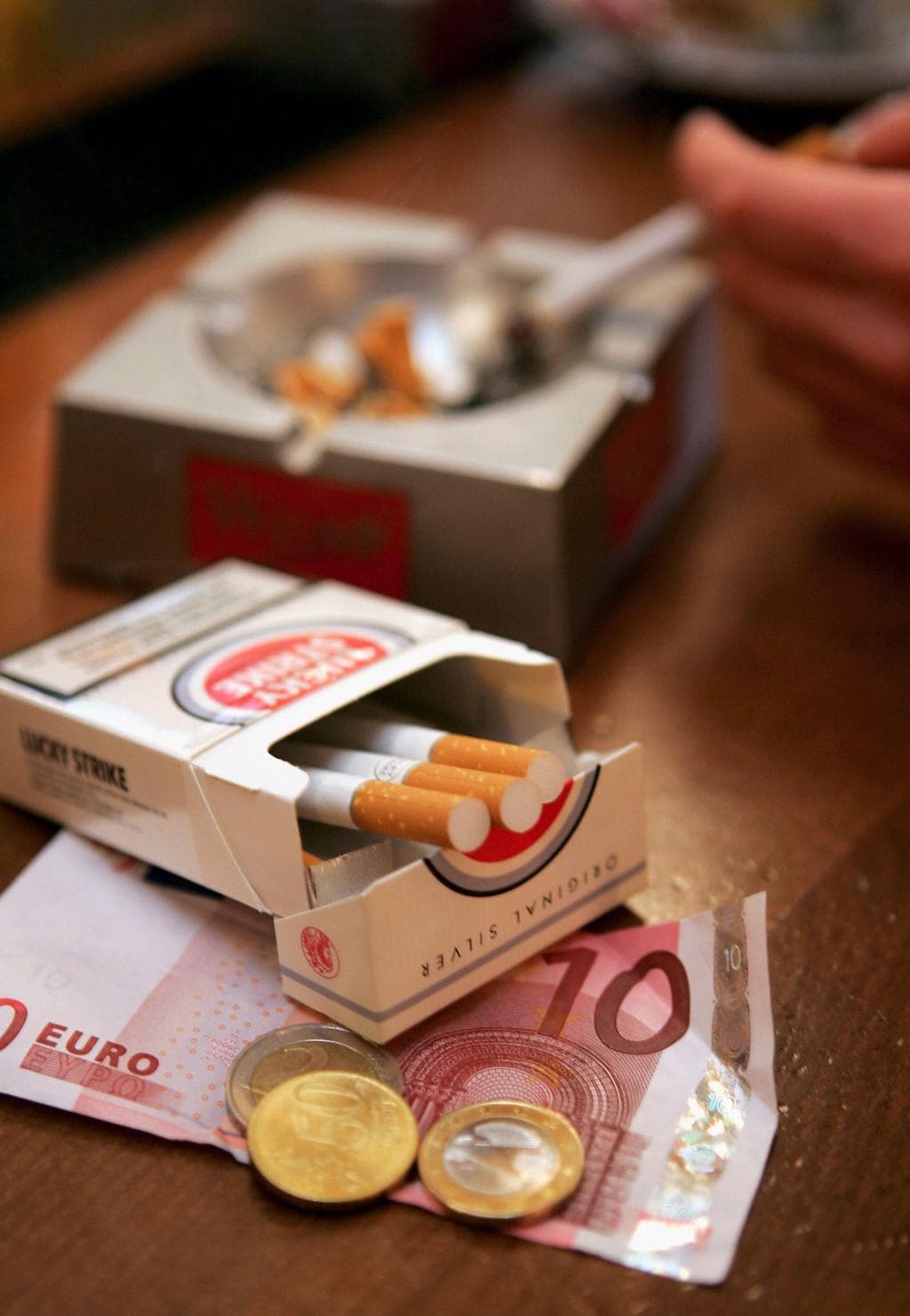
Brussels: The European Union’s long-running attempt to drag tobacco taxes into the modern era has run into the wall it always seemed destined to hit. On 3 June the European Parliament’s economic affairs committee signed off on a watered-down version of the revised Tobacco Taxation Directive, only for finance ministers to quietly pull the file from the Ecofin agenda days later for want of unanimity. Two steps were taken at once, and they pointed in opposite directions.

The substance of the disagreement is not trivial. The Commission’s original proposal, tabled last July, would have lifted the minimum excise floor to 215 euros per thousand cigarettes, a steep jump from the current 94 euros that has gone untouched for more than a decade. Parliament’s committee trimmed that ambition to 200 euros, with the new rates not biting until 2028. Even so, the numbers expose how far apart member states remain. High-tax countries in the north and west see harmonisation as a public-health necessity and a way to choke off the cross-border bargain-hunting that drains their revenues. Lower-tax capitals in the south and east see the same figures as an inflationary shock aimed squarely at their consumers.

What has made this round harder than previous ones is the arrival of products the old directive never imagined. E-cigarettes, heated tobacco, cigars and the fast-growing market in nicotine pouches all sit awkwardly inside a framework written for the conventional cigarette. MEPs have pushed for gentler rates and longer transition periods for these categories, some stretching as far as 2034, on the logic that punitive taxation of lower-risk alternatives could push smokers back toward the most harmful product of all. That argument is contested, and it is precisely where the Council fractured. Sweden, whose snus tradition gives it a particular stake, objected to the proposed treatment of pouches and refused to back the Cypriot presidency’s compromise.

Because excise duties fall under the EU’s special legislative procedure, taxation decisions require the unanimous consent of all twenty-seven governments. That single rule explains why so many fiscal files arrive at the Council full of promise and leave it gutted or frozen. A determined minority, or even a single capital with a domestic sensitivity, can hold an entire directive hostage. The tobacco file is now the latest exhibit in a long-running debate about whether tax matters should ever have been left to unanimity at all.

For now the practical consequences are modest but real. Smokers will not see harmonised price rises in 2028 unless ministers find a formula that satisfies everyone, and the patchwork of national rates that fuels smuggling and parallel trade will persist. Public-health campaigners warn that every year of delay costs lives and revenue. Industry, meanwhile, is content to see the clock run.

The file is not dead. The Cypriot presidency may yet return with a revised text, and a vote that was expected at the 12 June Ecofin meeting could resurface later in the year. But the episode is a reminder that on tax, the Union still moves at the speed of its most reluctant member. Until that changes, ambitious harmonisation will keep colliding with the veto, and the gap between what Brussels proposes and what capitals will accept will remain stubbornly wide.