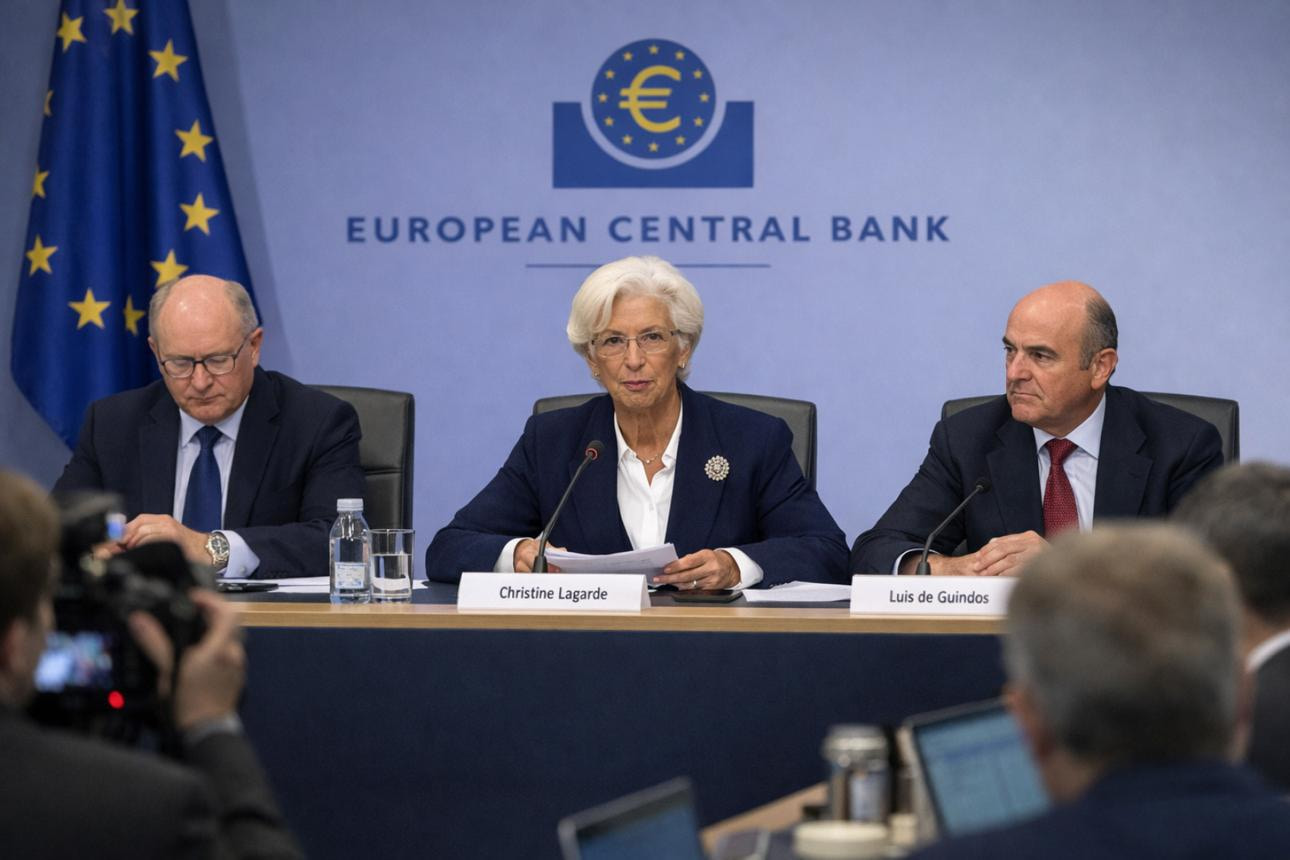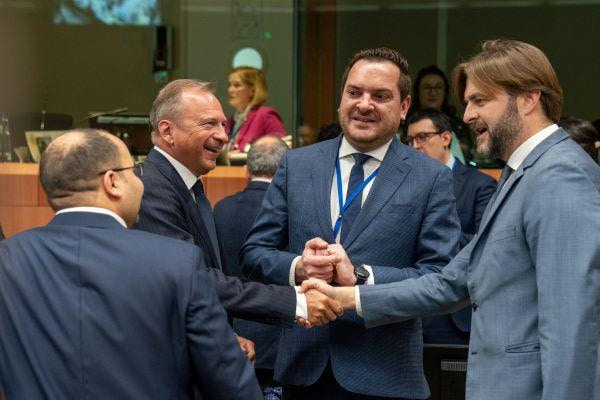
Brussels: The European Union’s long-delayed tobacco tax overhaul stalled again this month, as finance ministers stayed split over how steeply to raise minimum excise rates on cigarettes and a fast-growing wave of new nicotine products. The Irish Presidency, which took the Council’s rotating chair on 1 July 2026, now wants to broker a political agreement on the tobacco tax package at the ECOFIN meeting on 9 October.
The European Commission put the reform on the table in July 2025, arguing that the current rules had fallen badly out of date. Its proposal widens the directive to cover heated tobacco, e-cigarette liquids, nicotine pouches and other nicotine products, and it sets harmonised definitions for each so that member states tax them on a common basis. You can read the Commission’s outline of the plan on its Taxation and Customs Union pages.
Higher minimum rates sit at the heart of the tobacco tax fight. Brussels wants the directive to push retail prices up across the bloc, both to cut smoking rates and to close the gap between low-duty and high-duty countries that fuels cross-border shopping and smuggling. Health campaigners back the direction of travel, yet several capitals argue the Commission has aimed too high.
Those governments raised three main objections. They question the sheer size of the proposed rate increases, they call the transitional periods too short for lower-income member states, and they distrust a mechanism that would adjust minimum rates automatically in line with inflation and purchasing power. Tobacco-growing and lower-price countries fear a sudden jump would hit their consumers and public finances hardest.
The politics turned messier in June, when the file dropped off the ECOFIN agenda for lack of unanimous support and ministers declined to debate it at their 12 June meeting. Because tax measures need unanimity in the Council, a single determined holdout can freeze the whole package, and technical talks have since moved into the hands of Irish officials.
The European Parliament added to the uncertainty on 17 June, when it failed to adopt a formal position on the revision during its Strasbourg plenary. Lawmakers who oppose a watered-down text welcomed the deadlock, while others warned that the delay leaves the bloc taxing new nicotine products under a patchwork of national rules. Parliament’s legislative train file tracks each step of the stalled dossier.
Ireland now faces a narrow path. Dublin has signalled it will restart negotiations at expert level over the summer, testing compromises on softer transitional timetables and a slower phase-in of the highest rates. Diplomats say a workable deal probably means trimming the Commission’s headline figures enough to bring reluctant capitals on board without gutting the health rationale.
The stakes reach beyond public health. A modern tobacco tax framework would hand governments a steadier revenue stream at a moment when many are straining to fund defence and green commitments, and it would give regulators firmer footing over vaping and pouch products that barely existed when the last rules took shape. For now, though, the reform stays parked, and 9 October looms as the next real test of whether the bloc can finally agree.