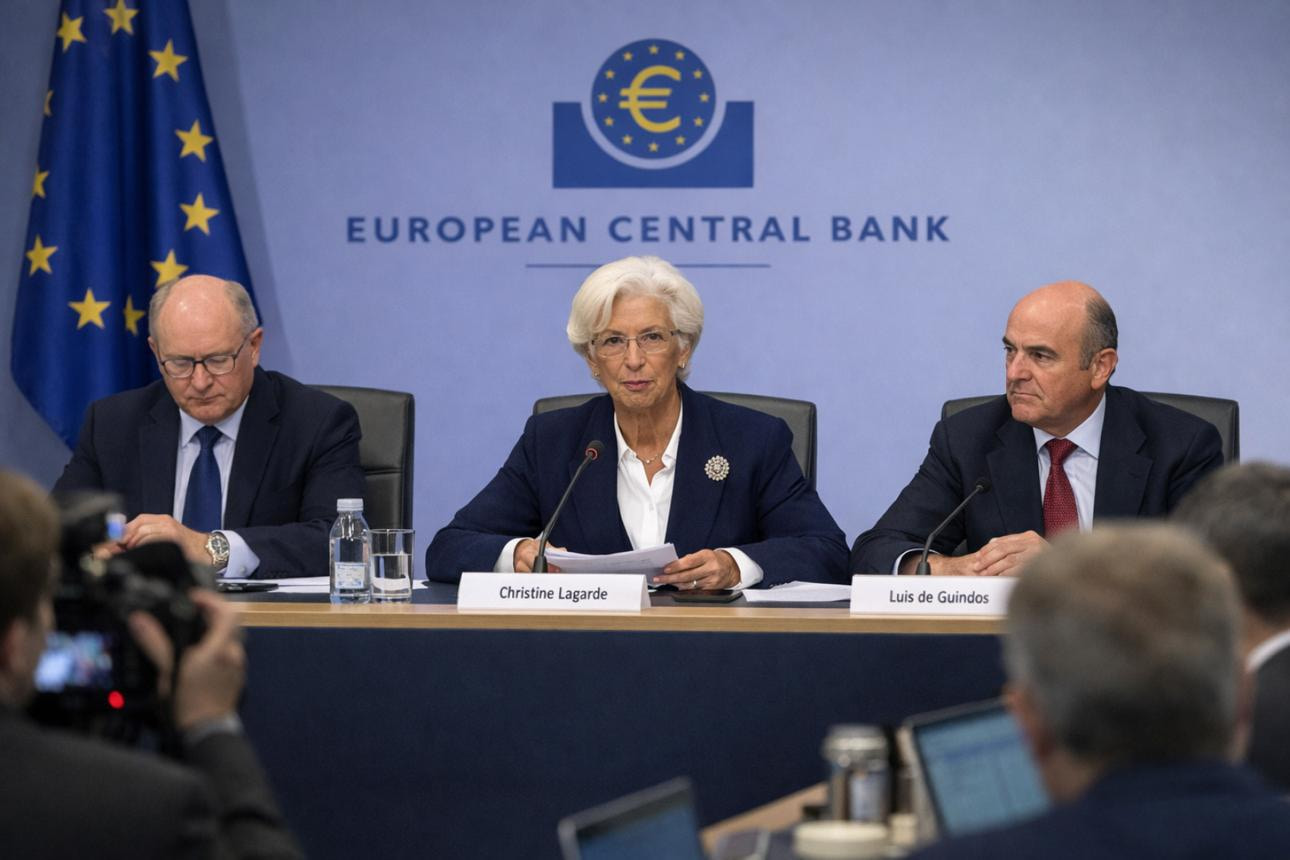
Frankfurt: A regulatory clock that has been ticking since the end of 2024 is about to run out, and for hundreds of crypto firms operating across the European Union the consequences are stark. From 1 July 2026, the grandfathering arrangements that let crypto-asset service providers keep trading under old national rules disappear entirely. After that date, any firm offering regulated crypto services in the bloc must hold an authorisation under the Markets in Crypto-Assets framework, or have a pending application filed before its national deadline. Those that arrive at the cutoff with neither must stop serving European customers.
The framework was sold as the moment Europe finally brought order to a market long defined by fragmentation and improvisation. Instead of twenty-seven national regimes of wildly varying rigour, the bloc would offer a single rulebook and a single passport. A firm licensed in one member state could serve clients in all of them. That promise is real, but the path to it has been messier than the tidy timeline suggested, because member states were handed discretion over how long their transitional windows would last, and they used it very differently.
Some capitals slammed the door early. Finland, Hungary, Latvia, the Netherlands, Poland and Slovenia chose six-month windows that closed back in June 2025, forcing firms there to scramble for authorisation more than a year ago. Others, including Belgium, France, Italy, Spain and Portugal, took the full eighteen months, which is why the 1 July 2026 deadline now looms as the true cliff edge for so much of the industry. The result is a patchwork where a company perfectly legal in Madrid may already be operating on borrowed time in Amsterdam.
What makes the coming weeks tense is the sheer volume of applications still working through national regulators. Securing a licence is not a formality. Supervisors want to see capital buffers, custody arrangements, governance structures and anti-money-laundering controls that many smaller exchanges and wallet providers were never built to document. Firms that left their filings late may find the calendar, rather than the substance of their business, decides their fate. A pending application submitted before the national deadline buys time; an application that misses it does not.
To keep the system legible during the handover, the European Securities and Markets Authority has been maintaining an interim register of authorised providers, updated at intervals and due to fold into the regulator’s permanent systems around the middle of the year. For consumers, that register is becoming the practical test of legitimacy. A platform absent from it after July is, in effect, telling its users it lacks permission to be there.
The strategic logic behind the squeeze is hard to dispute. Europe watched a string of offshore collapses wipe out retail savers and concluded that letting unsupervised intermediaries hold customer funds was an invitation to disaster. Forcing every serious operator through the same authorisation gate is meant to weed out the under-capitalised and the careless before they fail. The cost is that some legitimate smaller players, unable to bear the compliance burden, will exit or be absorbed, accelerating a consolidation that favours well-funded incumbents.
Whether that trade-off serves users well will not be clear for some time. A cleaner market with fewer, sturdier firms offers obvious protection, yet it also narrows choice and hands advantage to those who could afford armies of lawyers. For now the message from Brussels and from national supervisors is unambiguous. The improvised era is ending, the deadline will not move, and firms that cannot show their paperwork by July will find Europe simply closed to them.