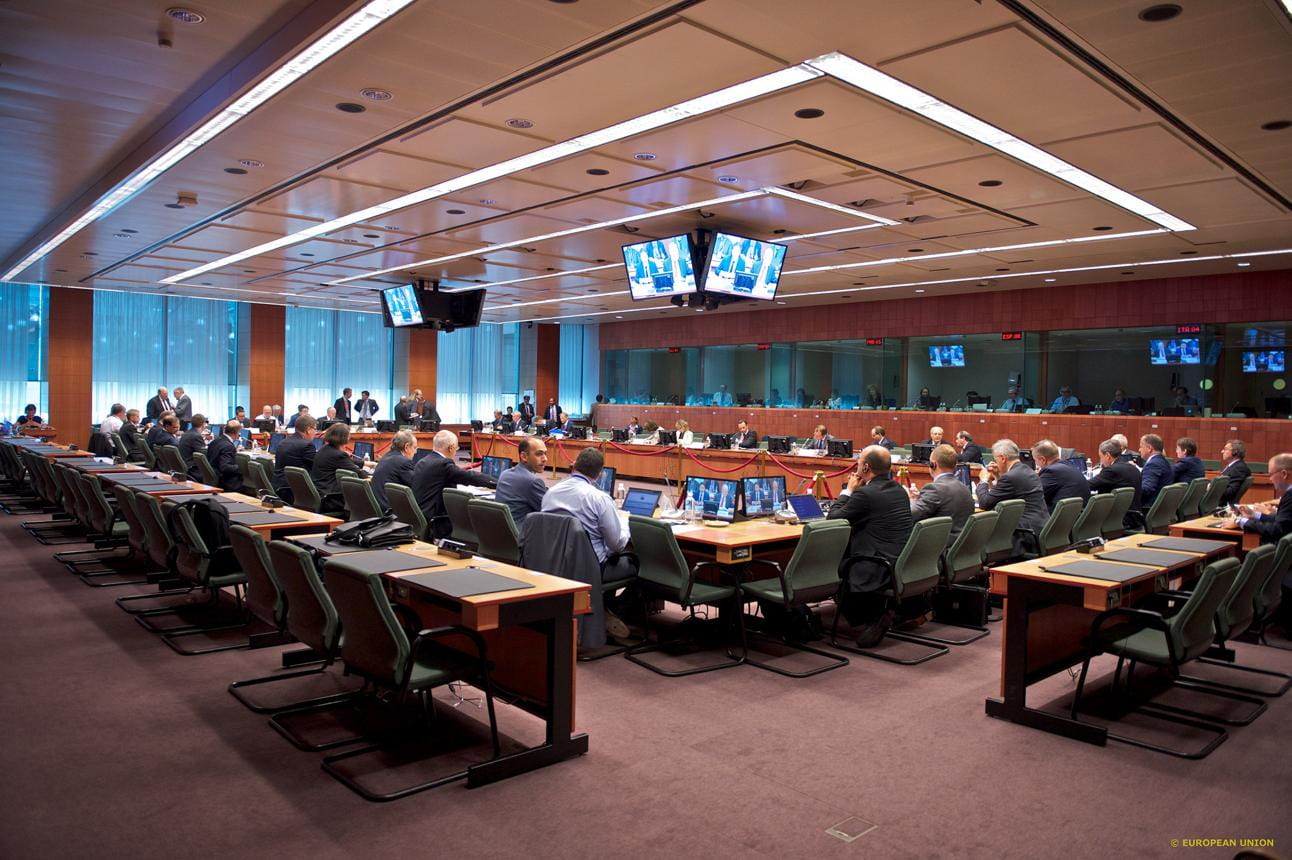
Brussels: Almost every ambitious tax proposal that lands on the bloc’s agenda runs into the same wall, and it is not economics but procedure. Taxation is one of the few policy areas where decisions still require the unanimous consent of every member state, which means a single capital can quietly bury a reform that the other twenty-six support.
The rule is a relic of an era when governments guarded their fiscal sovereignty above almost all else, and it has proved remarkably durable. Plans to harmonise the corporate tax base, to introduce a levy on financial transactions, and to streamline the patchwork of national rules that lets multinationals shift profits to the lowest-tax corner of the single market have all stalled at one time or another, not for lack of majority backing but for want of the last holdout’s signature.
Defenders of unanimity make a principled case. Tax touches the core of what a state is, funding its schools, its pensions and its defence, and a country that loses control of its tax rates arguably loses control of its budget. Smaller members in particular fear that majority voting would let larger neighbours dictate fiscal terms and erode the competitive low-tax models on which some have built their prosperity. For them the veto is not obstruction but insurance.
Critics see it differently. They point out that the unanimity requirement hands enormous leverage to any government willing to trade its tax vote for unrelated concessions, turning fiscal policy into a bargaining chip in negotiations over budgets, enlargement or sanctions. The result, they argue, is paralysis dressed up as principle, with the bloc unable to close loopholes that cost national treasuries tens of billions every year.
There is a way out written into the treaties themselves. A so-called bridging clause would let leaders shift specified tax matters to qualified-majority voting without reopening the treaties, but using it requires, with grim irony, the unanimous agreement of the very governments most attached to their veto. Successive proposals to begin with narrow, uncontroversial files, such as administrative cooperation or anti-fraud measures, have so far failed to break the deadlock.
The pressure is unlikely to ease. Commitments to a global minimum tax on large corporations have already forced the bloc to legislate in an area it once left to capitals, and each new cross-border challenge, from taxing the digital economy to financing shared debt, sharpens the question of whether twenty-seven separate vetoes can govern a single market. For now the answer is that they can, and that any reformer wanting to modernise European taxation must first persuade the one government with the most to lose to surrender the tool that protects it. That is a circle few have squared, and it explains why the boldest tax ideas in Brussels so often end their lives as footnotes.