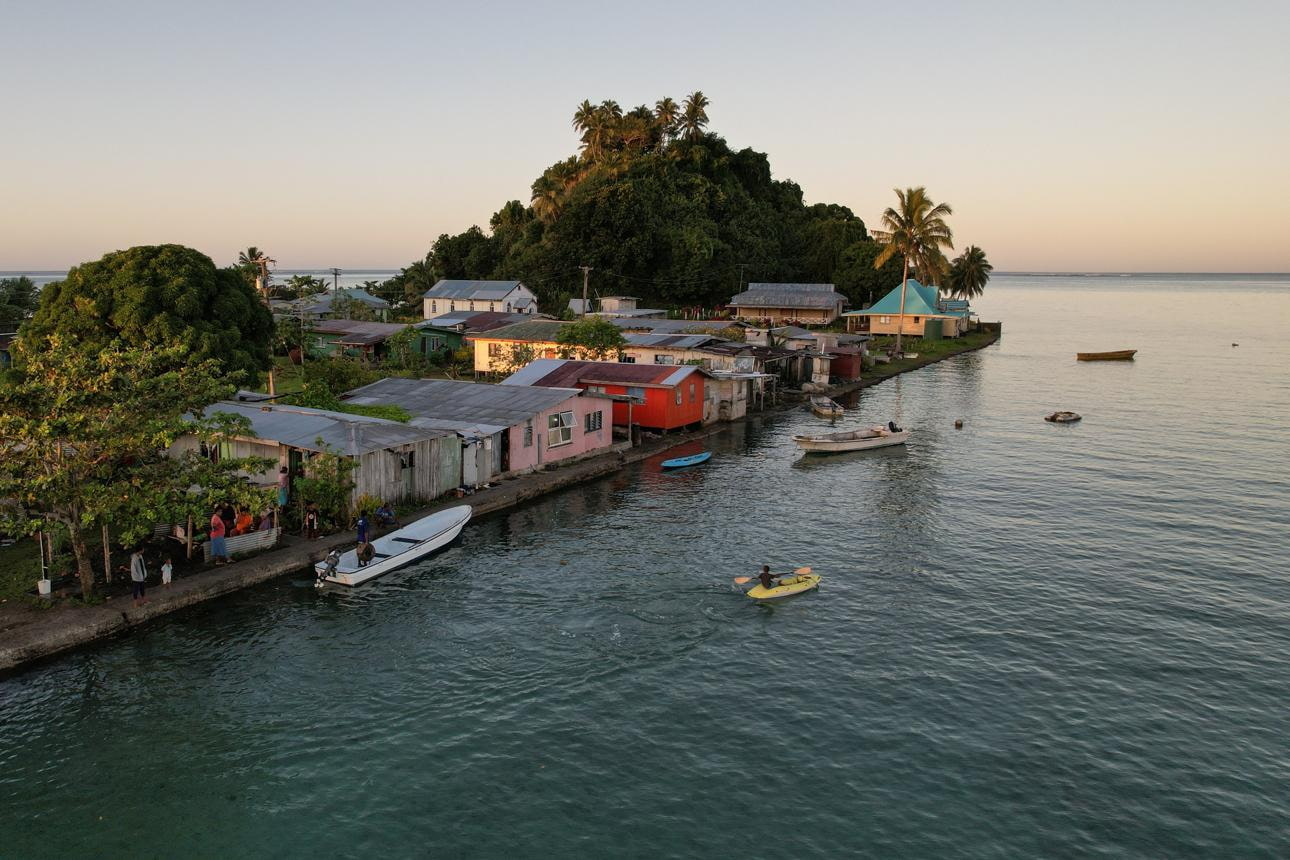
Suva: The clearest measure of the partnership between Europe and New Zealand is no longer a trade balance or a summit photograph. It is the rising water lapping at the sea walls of the Pacific islands, and the quiet race to help those nations hold their ground against an ocean that keeps climbing.
Brussels and Wellington have spent the past year converting warm words about the Indo-Pacific into something more concrete along the environmental front. New Zealand knows the region as home ground; the European Union brings money, technology and a regulatory reach few others can match. Together they have leaned into ocean governance and climate resilience as the practical core of a relationship that used to lean almost entirely on commerce.
The centrepiece is a Team Europe push often described as a green and blue alliance for the Pacific, which pools public and private funding to steady island economies through the twin shocks of a warming climate and a fragile ocean. Alongside it runs the KIWA initiative, a joint effort to back nature-based defences, restored mangroves, healthier reefs and living coastlines that blunt storms far more cheaply than concrete ever could. The EU’s own account of its work with New Zealand places these ideas at the centre rather than the margins.
The strategy rests on a hard truth. Pacific states contribute almost nothing to global emissions yet stand to lose the most, and some face the prospect of losing their land outright. For them, climate policy is not an environmental preference but a question of national survival. A partnership that helps them adapt, and that amplifies their voice in the rooms where emissions targets get set, offers something more valuable than another aid cheque.
There is cool geopolitics beneath the green language. China has poured loans and infrastructure into the same islands for a decade, and Western capitals worry about the strategic foothold that spending buys. By showing up with grants rather than debt, and by working through a trusted local partner in Wellington, Europe positions itself as the friend that helps a nation survive rather than the creditor that owns its port. Climate resilience, in this reading, doubles as the softest and shrewdest kind of statecraft.
The risks are just as real. Pacific leaders have heard grand pledges before and watched the funding arrive late, thinned by administration and conditions. Adaptation projects demand patience measured in decades, not the electoral cycles that govern European and New Zealand budgets. And no reef restoration can outpace the seas if the world’s largest emitters keep missing their targets; adaptation without deeper cuts merely delays the reckoning.
Still, the direction of travel says something about how Europe now reads its place in the world. A bloc with no territory in the Pacific has decided that a warming ocean on the far side of the planet is its business too, and that the surest way to be present there is to help its smallest states endure. For New Zealand, it means a heavyweight partner in a neighbourhood it can no longer safeguard alone. For the islands, it is the difference between managing the rising water and being swallowed by it.