August 22, 2026
LATEST
What the EU Taiwan Framework Would Actually Have to DoKorea Signed a Digital Trade Deal That Nobody Has RatifiedCritical Minerals in Mongolia Still Have to Cross Two BordersCan an Indonesia Trade Deal Survive Two Years of RatifyingCross-Border Data Orders Went Live Before the Plumbing DidPlatform Work Rules Take Effect in December and Few Are ReadyCan Europe’s Firefighting Fleet Keep Pace With EU WildfiresThe AI Act Deadline Passed on 2 August and Nothing BitWhy Construction Keeps Shrinking While Confidence ImprovesAccession Talks Stall Again and September 1 Is the TestBrussels Applied a Trade Deal It Cannot Yet RatifyAfrica’s Power Market Now Needs Money More Than BlueprintsLong-Term Budget Talks Enter Autumn Without a Council LineForeign Subsidies Enforcement Now Turns on a Dublin RaidWho Writes Europe’s Telecom Rules Once Copper DisappearsDisability Cards Exist on Paper and Nowhere Else Until 2028Losing Visa-Free Travel Now Takes a Thirty Percent SwingTwenty Flagship Actions Will Test Whether the Culture Compass WorksEurope’s Quality Jobs Act Now Rests on What Unions Do by SeptemberDoes a Three Euro Parcel Duty Change Anything About Cheap ImportsWhat the EU Taiwan Framework Would Actually Have to DoKorea Signed a Digital Trade Deal That Nobody Has RatifiedCritical Minerals in Mongolia Still Have to Cross Two BordersCan an Indonesia Trade Deal Survive Two Years of RatifyingCross-Border Data Orders Went Live Before the Plumbing DidPlatform Work Rules Take Effect in December and Few Are ReadyCan Europe’s Firefighting Fleet Keep Pace With EU WildfiresThe AI Act Deadline Passed on 2 August and Nothing BitWhy Construction Keeps Shrinking While Confidence ImprovesAccession Talks Stall Again and September 1 Is the TestBrussels Applied a Trade Deal It Cannot Yet RatifyAfrica’s Power Market Now Needs Money More Than BlueprintsLong-Term Budget Talks Enter Autumn Without a Council LineForeign Subsidies Enforcement Now Turns on a Dublin RaidWho Writes Europe’s Telecom Rules Once Copper DisappearsDisability Cards Exist on Paper and Nowhere Else Until 2028Losing Visa-Free Travel Now Takes a Thirty Percent SwingTwenty Flagship Actions Will Test Whether the Culture Compass WorksEurope’s Quality Jobs Act Now Rests on What Unions Do by SeptemberDoes a Three Euro Parcel Duty Change Anything About Cheap Imports
August 22, 2026
LATEST
What the EU Taiwan Framework Would Actually Have to DoKorea Signed a Digital Trade Deal That Nobody Has RatifiedCritical Minerals in Mongolia Still Have to Cross Two BordersCan an Indonesia Trade Deal Survive Two Years of RatifyingCross-Border Data Orders Went Live Before the Plumbing DidPlatform Work Rules Take Effect in December and Few Are ReadyCan Europe’s Firefighting Fleet Keep Pace With EU WildfiresThe AI Act Deadline Passed on 2 August and Nothing BitWhy Construction Keeps Shrinking While Confidence ImprovesAccession Talks Stall Again and September 1 Is the TestBrussels Applied a Trade Deal It Cannot Yet RatifyAfrica’s Power Market Now Needs Money More Than BlueprintsLong-Term Budget Talks Enter Autumn Without a Council LineForeign Subsidies Enforcement Now Turns on a Dublin RaidWho Writes Europe’s Telecom Rules Once Copper DisappearsDisability Cards Exist on Paper and Nowhere Else Until 2028Losing Visa-Free Travel Now Takes a Thirty Percent SwingTwenty Flagship Actions Will Test Whether the Culture Compass WorksEurope’s Quality Jobs Act Now Rests on What Unions Do by SeptemberDoes a Three Euro Parcel Duty Change Anything About Cheap ImportsWhat the EU Taiwan Framework Would Actually Have to DoKorea Signed a Digital Trade Deal That Nobody Has RatifiedCritical Minerals in Mongolia Still Have to Cross Two BordersCan an Indonesia Trade Deal Survive Two Years of RatifyingCross-Border Data Orders Went Live Before the Plumbing DidPlatform Work Rules Take Effect in December and Few Are ReadyCan Europe’s Firefighting Fleet Keep Pace With EU WildfiresThe AI Act Deadline Passed on 2 August and Nothing BitWhy Construction Keeps Shrinking While Confidence ImprovesAccession Talks Stall Again and September 1 Is the TestBrussels Applied a Trade Deal It Cannot Yet RatifyAfrica’s Power Market Now Needs Money More Than BlueprintsLong-Term Budget Talks Enter Autumn Without a Council LineForeign Subsidies Enforcement Now Turns on a Dublin RaidWho Writes Europe’s Telecom Rules Once Copper DisappearsDisability Cards Exist on Paper and Nowhere Else Until 2028Losing Visa-Free Travel Now Takes a Thirty Percent SwingTwenty Flagship Actions Will Test Whether the Culture Compass WorksEurope’s Quality Jobs Act Now Rests on What Unions Do by SeptemberDoes a Three Euro Parcel Duty Change Anything About Cheap Imports

Agriculture Is Still Where the Philippines FTA Keeps Getting Stuck

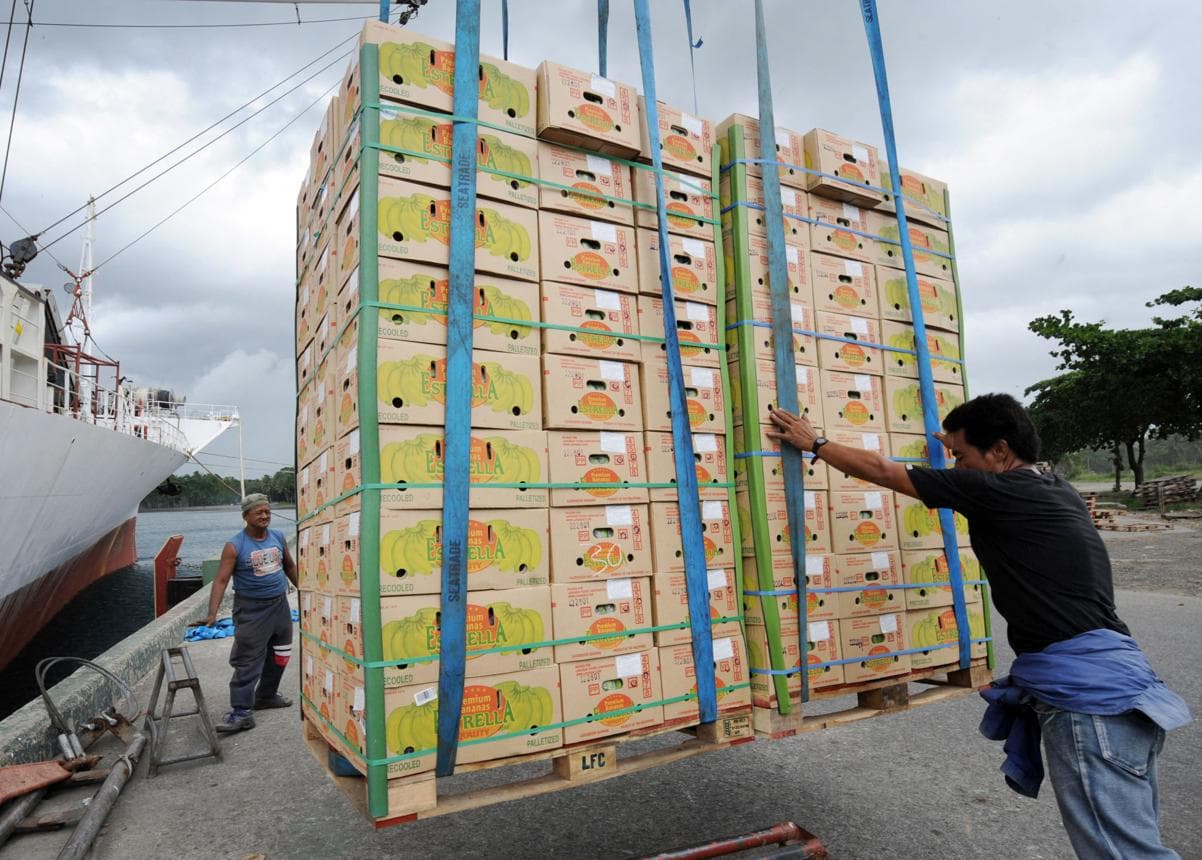
Davao: The Philippines FTA with the European Union has narrowed to a handful of agricultural lines, and negotiators left the seventh round in Brussels between 29 June and 3 July without closing any of them. Growers across Mindanao load bananas, tuna and coconut oil for European ports, and those three products carry most of what Manila expects the agreement to deliver.

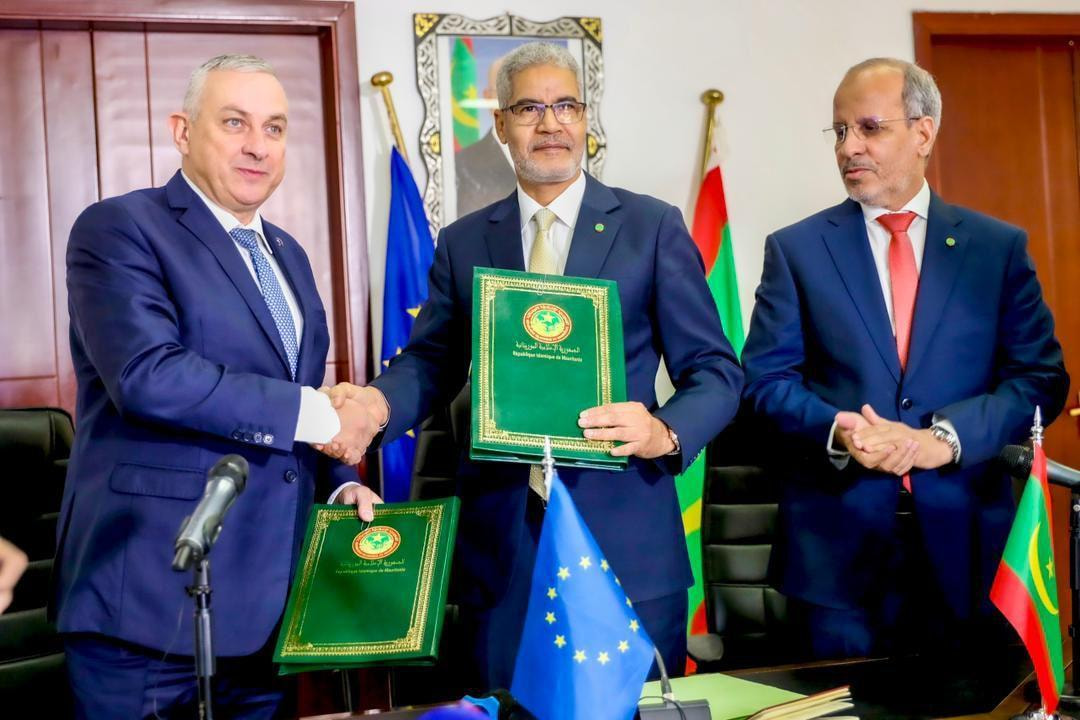
Manila has given itself a political deadline. The Philippines hosts the summit of the Association of Southeast Asian Nations in November, and the government wants a concluded text to announce while the region’s leaders sit in the room. Trade officials repeated that target through July, after the Brussels round produced what both delegations called a deadlock on agriculture and pushed the file up to ministerial level.

The deadline explains the urgency. It does not resolve the substance. European negotiators want sanitary standards, traceability and a sustainability chapter that binds Manila to enforcement, not intention. Philippine negotiators want tariff lines cut on the goods their exporters actually sell, and they arrive at the table watching Latin American competitors ship bananas into the same European supermarkets under preferences the Philippines does not hold.

The prize sits underneath the tariff schedules. The Philippines currently enters the European market largely through GSP+ preferences, a unilateral scheme Brussels grants and Brussels can withdraw. Europe suspended talks once already over human rights findings, and the memory shapes how Manila reads every conditionality clause. A free trade agreement converts a revocable favour into a contractual right. That conversion, more than any single tariff, is what the Philippine side is buying.

Europe brings its own arithmetic. The Commission has spent three years assembling an Indo-Pacific trade architecture piece by piece, and the Philippines forms one leg of it alongside Indonesia, Malaysia and Thailand. Each deal on its own looks modest against the scale of European trade with China. Taken together they give European exporters of machinery, vehicles and pharmaceuticals a set of rules that do not depend on Beijing, and they give the Commission something to point at when member states ask what de-risking produced.

Agricultural deadlocks rarely break at technical level, which is why the file moved to ministers. They break when one capital accepts a quota instead of full liberalisation, or when the other accepts a transition period long enough to make the concession invisible. Both moves are available here. Neither is free.

Exporters should read a November announcement carefully when it comes. Concluding negotiations is not signing, and signing is not entry into force. Legal scrubbing, translation into every official language and consent from the European Parliament together consume years, as Indonesian exporters learned after their own agreement closed. Manila’s stated timetable measures political achievement, not market access.

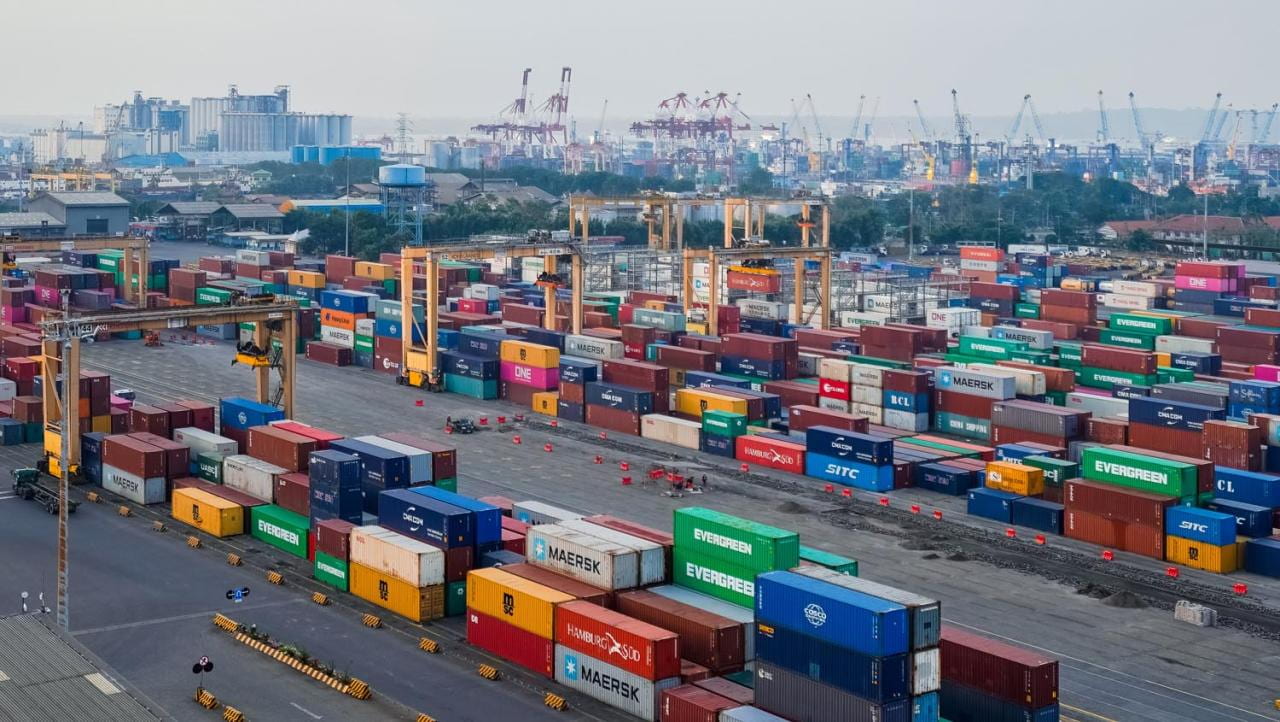
The banana boxes stacked on the Davao quayside will move under the same duties next season regardless of what leaders say in November. What changes first is the calculation growers make about the season after that, and whether the agreement gives them a rule they can plant against rather than a preference someone in Brussels reviews.