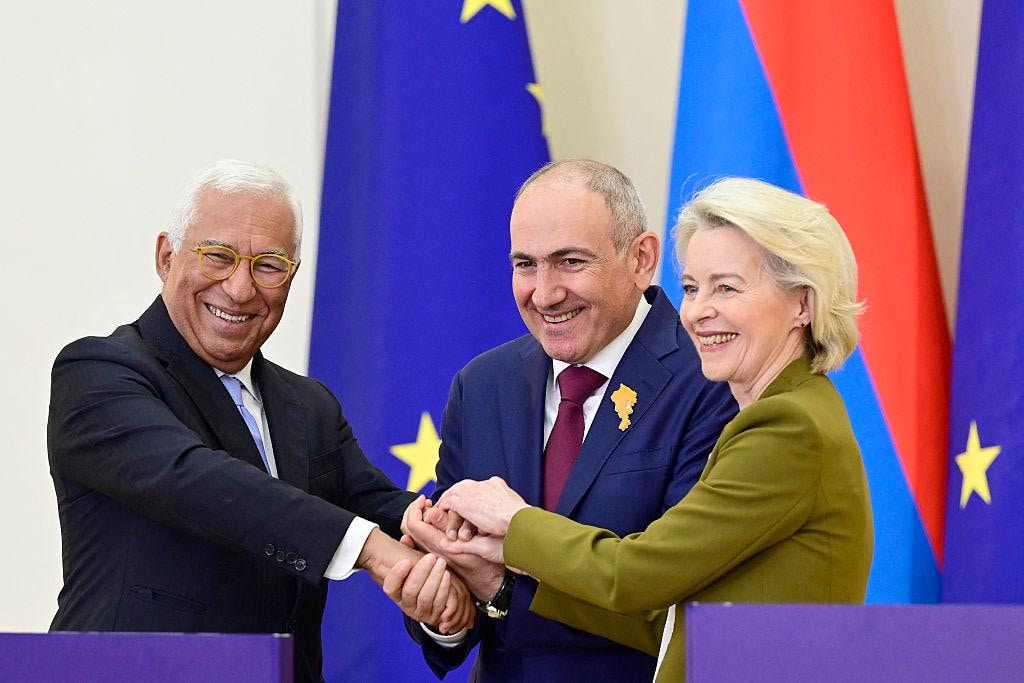
Yerevan: When the European Union held its first-ever summit on Armenian soil in early May, the optics carried as much weight as the paperwork. The Connectivity Partnership the two sides signed reads, on the page, like a technocratic file about roads, power lines and fibre-optic cable. In substance it is a wager on whether a small Caucasus republic can reorient a foreign policy that Moscow spent three decades treating as settled.
The partnership rests on three pillars. On transport, the aim is to stitch Armenia into regional corridors that do not run through Russia, dovetailing with Yerevan’s own “Crossroads of Peace” plan to turn a landlocked country boxed in by closed borders into a transit hub. On energy, the language is blunter than usual Brussels prose, promising to reduce dependencies while strengthening security and resilience, a polite way of describing a country that still buys much of its gas and nuclear fuel from Russia. On digital, the focus falls on artificial intelligence and engineering, the one sector where Armenia’s diaspora-fed talent pool gives it leverage out of proportion to its size.
What makes the deal more than another neighbourhood communiqué is its timing. Armenians vote in parliamentary elections in June, and the ballot is widely read as a referendum on the very pivot the summit celebrated. A re-elected governing party would press ahead with diversification, deeper economic ties to Europe and the cautious normalisation with neighbours that has defined recent years. A different result could pull Yerevan back toward Moscow, or toward an opening with Tehran, depending on which opposition current prevails. The EU, in other words, has signed a long-term connectivity agreement weeks before voters decide whether the government that negotiated it survives.
That sequencing is not an accident, and it is not without risk. By front-loading visible deliverables, Brussels hopes to make the European option feel concrete rather than aspirational, the difference between a manifesto promise and a signed transport dialogue. The danger is that an external partnership becomes a campaign prop, allowing opponents to frame closer EU ties as an elite project imposed from abroad rather than a national choice. European officials insist the partnership is institutional, not partisan, anchored in a standing High-Level Dialogue meant to outlast any single government. Voters may not draw so fine a distinction.
There is also the matter of what Europe is actually offering. Connectivity partnerships are not accession, and they are not membership of the single market. They are frameworks for coordinating investment, aligning regulation and unlocking financing that still has to be raised, project by project. For a country that has watched the bloc move slowly on Western Balkan candidates waiting far longer in line, the gap between symbolism and disbursement will be the real test. Armenia’s leadership has been careful never to call this a path to membership, and Brussels has been equally careful not to imply one.
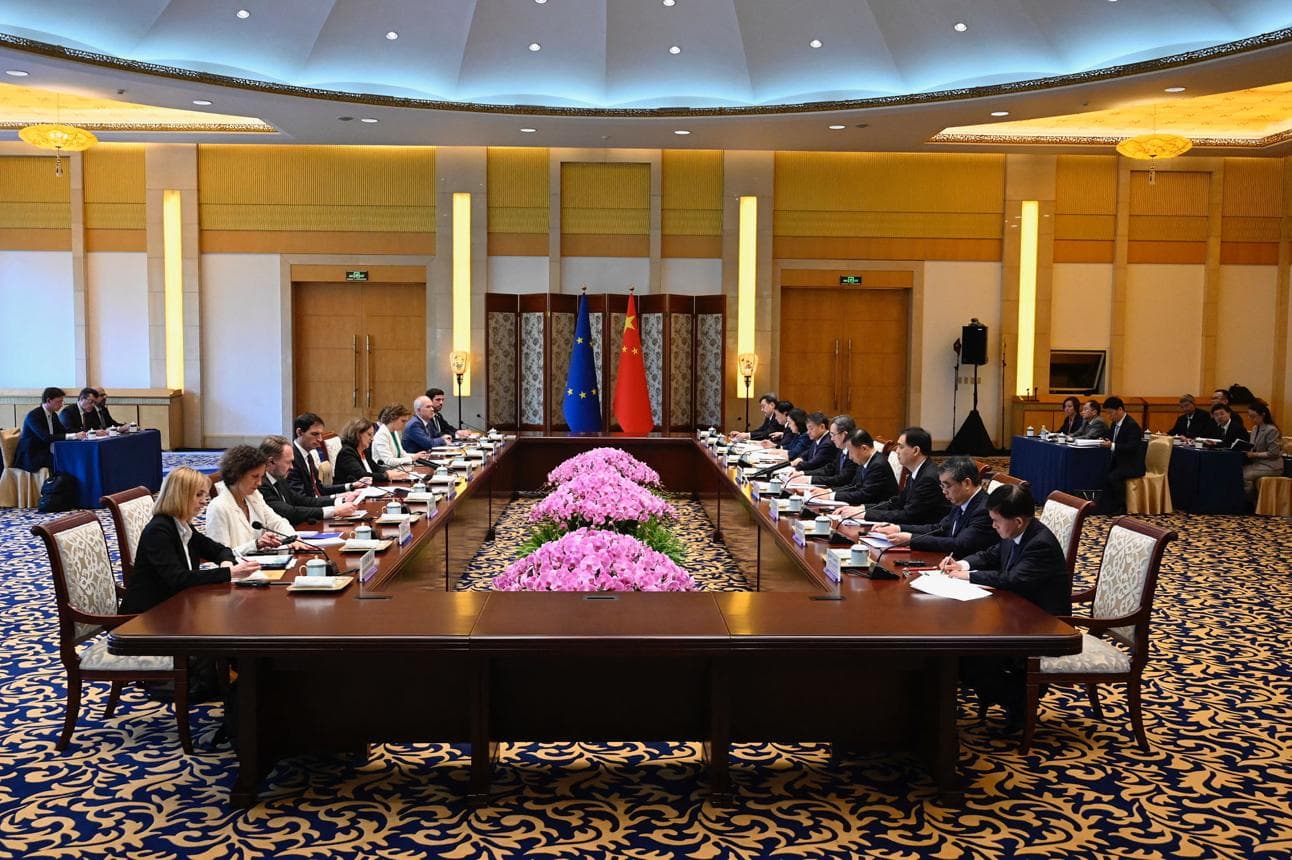
Still, the strategic logic is hard to miss. A Caucasus that tilts even modestly toward European norms complicates Russian assumptions about its near abroad and gives the EU a foothold in a region where China’s Belt and Road and Iran’s north-south ambitions are both in play. For Armenia, the partnership is insurance against isolation after a decade of war and displacement. Whether that insurance pays out depends less on the elegance of the summit declaration than on what voters write on their ballots in June, and on whether Europe, for once, moves fast enough to make the promise tangible before the moment passes.