September 19, 2026
LATEST
Small Parcels Get a Handling Fee as Europe’s Customs Reform ClearsManila Must Open Public Contracts Before Europe Signs AnythingEurope’s KIDS Act Would Put Parents Back in Charge of AccountsArmenian Apricots Reach Europe Only Through Narrow Tariff QuotasMyanmar’s Crisis Outgrows the Aid Envelope Europe Built for ItJapan Joins Horizon Europe for the Price of a Rounding ErrorIndia’s Trade Deal Now Waits on the Council and Two ParliamentsBeijing Gets an October Date and a Very Short Deliverables ListJudges Strike Down Estonia’s Deposit for European CandidatesSolidarity Fund Pays for Storms Eight Months After the WaterFreight Tariffs Decide Whether the Middle Corridor Reaches ScaleFolding the Diplomatic Service Into the Commission Needs UnanimityCritical Raw Materials Corporation Tests EU StockpilingHeatwave Plan Tests Europe’s Climate Adaptation GapEuropean Security Council Faces a Missing Legal BaseNature Restoration Plans Arrive With a Year of Haggling AheadPlatform Work Rules Arrive in December With Most States UnreadyDominant Firms Face Europe’s First Rulebook on Exclusionary AbuseInnovation Act Reaches Council With EU Preference Still DisputedSecondary Raw Materials Await an Act That Has Not Been TabledSmall Parcels Get a Handling Fee as Europe’s Customs Reform ClearsManila Must Open Public Contracts Before Europe Signs AnythingEurope’s KIDS Act Would Put Parents Back in Charge of AccountsArmenian Apricots Reach Europe Only Through Narrow Tariff QuotasMyanmar’s Crisis Outgrows the Aid Envelope Europe Built for ItJapan Joins Horizon Europe for the Price of a Rounding ErrorIndia’s Trade Deal Now Waits on the Council and Two ParliamentsBeijing Gets an October Date and a Very Short Deliverables ListJudges Strike Down Estonia’s Deposit for European CandidatesSolidarity Fund Pays for Storms Eight Months After the WaterFreight Tariffs Decide Whether the Middle Corridor Reaches ScaleFolding the Diplomatic Service Into the Commission Needs UnanimityCritical Raw Materials Corporation Tests EU StockpilingHeatwave Plan Tests Europe’s Climate Adaptation GapEuropean Security Council Faces a Missing Legal BaseNature Restoration Plans Arrive With a Year of Haggling AheadPlatform Work Rules Arrive in December With Most States UnreadyDominant Firms Face Europe’s First Rulebook on Exclusionary AbuseInnovation Act Reaches Council With EU Preference Still DisputedSecondary Raw Materials Await an Act That Has Not Been Tabled
September 19, 2026
LATEST
Small Parcels Get a Handling Fee as Europe’s Customs Reform ClearsManila Must Open Public Contracts Before Europe Signs AnythingEurope’s KIDS Act Would Put Parents Back in Charge of AccountsArmenian Apricots Reach Europe Only Through Narrow Tariff QuotasMyanmar’s Crisis Outgrows the Aid Envelope Europe Built for ItJapan Joins Horizon Europe for the Price of a Rounding ErrorIndia’s Trade Deal Now Waits on the Council and Two ParliamentsBeijing Gets an October Date and a Very Short Deliverables ListJudges Strike Down Estonia’s Deposit for European CandidatesSolidarity Fund Pays for Storms Eight Months After the WaterFreight Tariffs Decide Whether the Middle Corridor Reaches ScaleFolding the Diplomatic Service Into the Commission Needs UnanimityCritical Raw Materials Corporation Tests EU StockpilingHeatwave Plan Tests Europe’s Climate Adaptation GapEuropean Security Council Faces a Missing Legal BaseNature Restoration Plans Arrive With a Year of Haggling AheadPlatform Work Rules Arrive in December With Most States UnreadyDominant Firms Face Europe’s First Rulebook on Exclusionary AbuseInnovation Act Reaches Council With EU Preference Still DisputedSecondary Raw Materials Await an Act That Has Not Been TabledSmall Parcels Get a Handling Fee as Europe’s Customs Reform ClearsManila Must Open Public Contracts Before Europe Signs AnythingEurope’s KIDS Act Would Put Parents Back in Charge of AccountsArmenian Apricots Reach Europe Only Through Narrow Tariff QuotasMyanmar’s Crisis Outgrows the Aid Envelope Europe Built for ItJapan Joins Horizon Europe for the Price of a Rounding ErrorIndia’s Trade Deal Now Waits on the Council and Two ParliamentsBeijing Gets an October Date and a Very Short Deliverables ListJudges Strike Down Estonia’s Deposit for European CandidatesSolidarity Fund Pays for Storms Eight Months After the WaterFreight Tariffs Decide Whether the Middle Corridor Reaches ScaleFolding the Diplomatic Service Into the Commission Needs UnanimityCritical Raw Materials Corporation Tests EU StockpilingHeatwave Plan Tests Europe’s Climate Adaptation GapEuropean Security Council Faces a Missing Legal BaseNature Restoration Plans Arrive With a Year of Haggling AheadPlatform Work Rules Arrive in December With Most States UnreadyDominant Firms Face Europe’s First Rulebook on Exclusionary AbuseInnovation Act Reaches Council With EU Preference Still DisputedSecondary Raw Materials Await an Act That Has Not Been Tabled

Nine Parliaments Still Stand Between Hanoi and Its Investment Pact

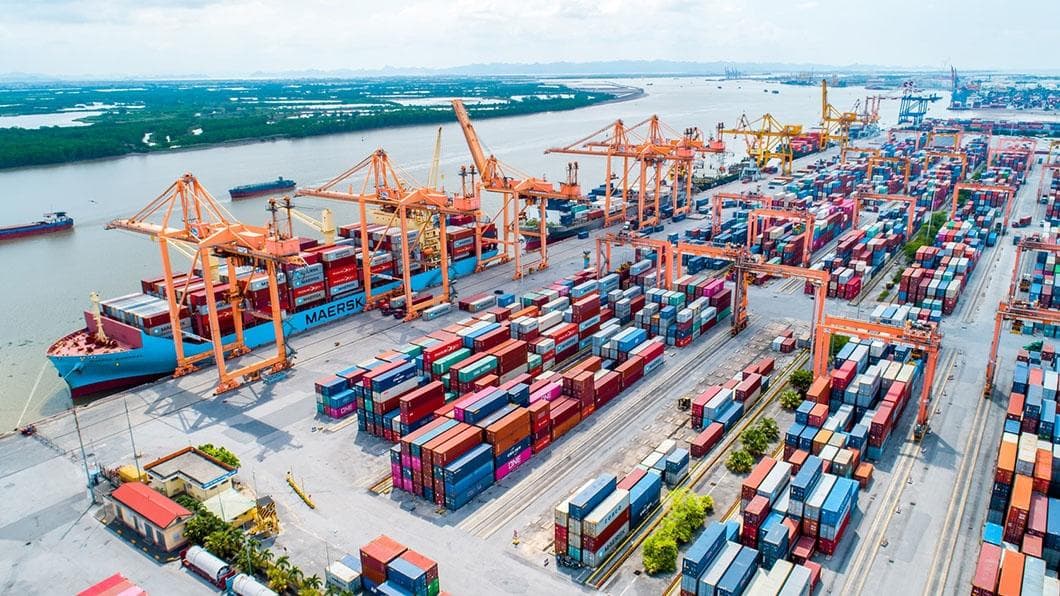
Hai Phong: Northern Vietnam’s main port has handled the practical half of the European relationship since 2020, when the free trade agreement entered into force and tariffs began falling on the electronics, footwear and processed agriculture that move through it. The other half has gone nowhere. The investment protection agreement signed on the same day as the trade deal still lacks ratification from nine member states, and the arithmetic has not moved much in six years.

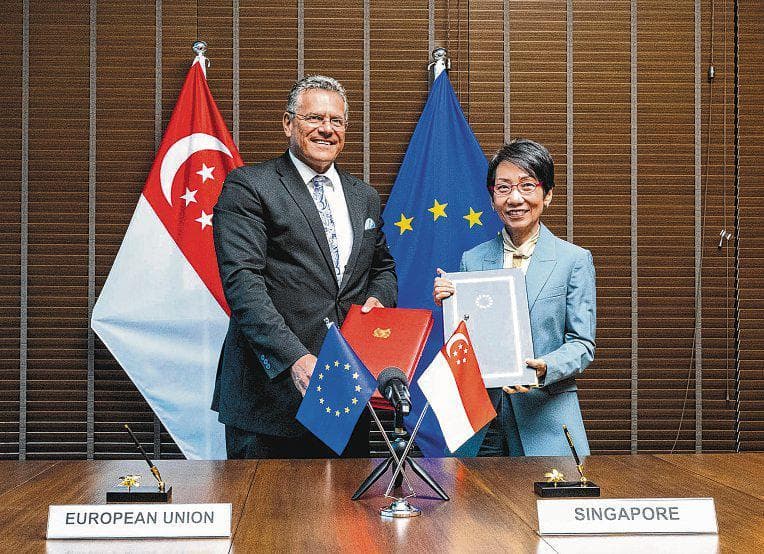
The reason is structural rather than political. When the Court of Justice ruled in 2017 on the Singapore agreement, it drew a line between commercial policy, where the Union acts alone, and investment protection with investor-state dispute settlement, which requires ratification by every national parliament and in some cases regional assemblies. The practical consequence is that Europe can open its market to a partner within a year and take a decade to guarantee that partner’s investors a forum. Vietnam is the clearest illustration available.

Progress exists but it is slow and bilateral. Germany completed its ratification in 2025, which Hanoi treated as a signal to the remaining holdouts. France has put a bill before its parliament. Italian officials have said they will support both ratification and Vietnam’s wider requests. None of this creates momentum in the way a Council decision would, because there is no Council decision to be had. Each remaining capital moves on its own legislative timetable, and investment protection is nobody’s priority legislation.

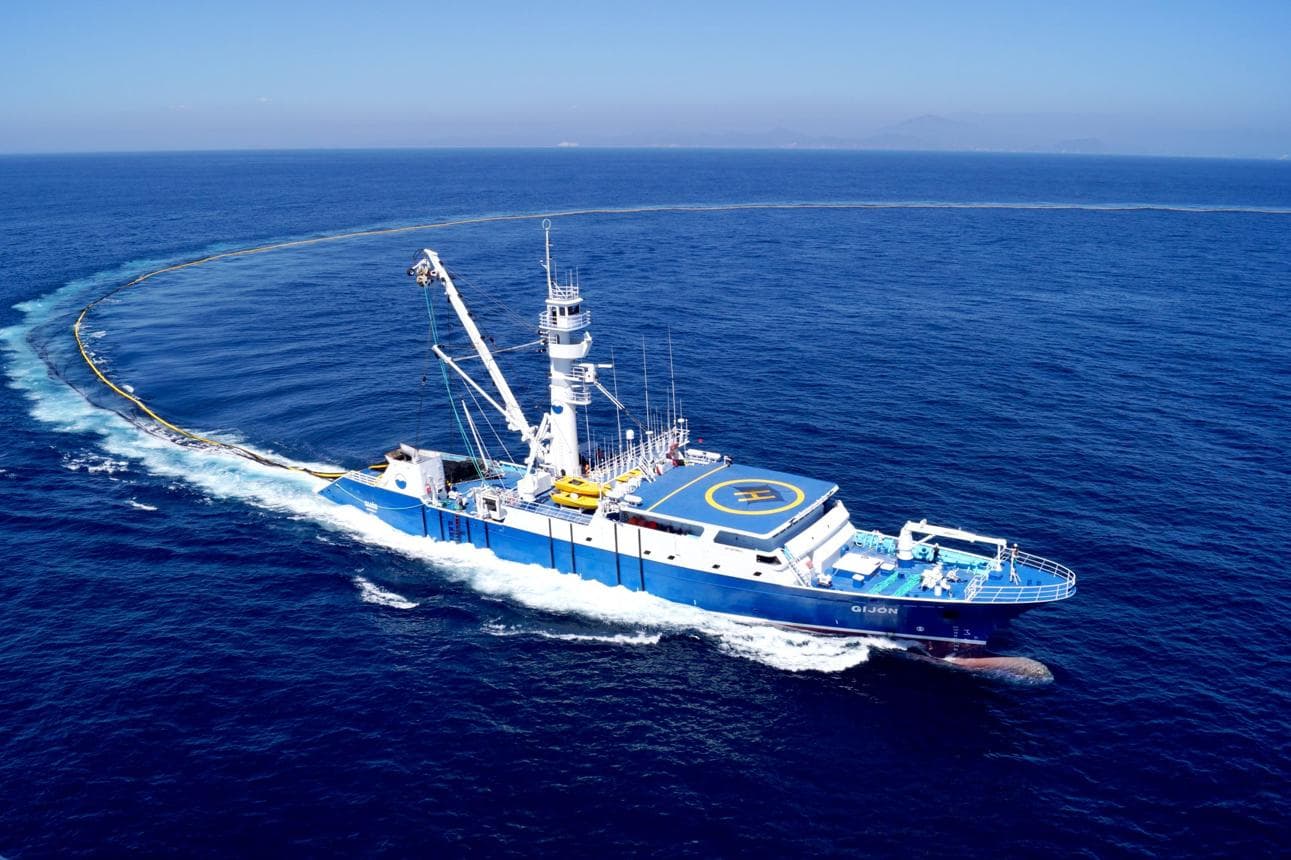
Hanoi’s frustration is easier to understand when the ratification gap is read alongside the second request it makes of Brussels at every meeting. The Commission issued a yellow card to Vietnam’s fisheries sector in October 2017 for failings on illegal, unreported and unregulated fishing, and the warning is still in place nearly nine years later. European inspectors have acknowledged substantial progress — vessel monitoring, catch documentation, a rewritten legal framework — while identifying remaining shortcomings in enforcement against distant-water vessels. Vietnamese authorities have set themselves the goal of removal by the end of 2026.

Taken together the two files describe a relationship where Vietnam has delivered most of what was asked and Europe has delivered the part that required no ratification. That is not bad faith; it is the honest consequence of a constitutional structure that most of Europe’s partners find opaque. But it has a cost in credibility, particularly in a region where the Union is competing for attention against partners whose commitments require one signature.

The strategic case for closing the gap has strengthened considerably. Vietnam is among the principal beneficiaries of manufacturing relocation out of China, and European firms in electronics, pharmaceuticals and renewable energy equipment are now committing capital there at a scale that makes the absence of treaty protection an actual commercial consideration rather than a theoretical one. An investment protection agreement matters most precisely when investment volumes rise, which is now.

There is a lesson the Union has already begun applying elsewhere. Recent agreements have been split so that the trade component can be concluded quickly while investment protection travels separately, and some negotiations have simply dropped investor-state provisions rather than accept the ratification burden. That is a rational adaptation, though it means the Union increasingly offers market access without the legal architecture that once distinguished European agreements from transactional alternatives. Vietnam is watching which model it eventually receives, and so is every other capital in Southeast Asia negotiating with Brussels this autumn.