August 9, 2026
LATEST
New EU Gas Market Rules Take Effect With Consumer SafeguardsDeforestation Regulation Holds Its December Deadline Despite CutsDigital Omnibus Delays Europe’s High-Risk AI Deadline to 2027Europe’s Schools Confront a Widening Basic Skills GapRule of Law Report Finds Progress but Trust Still LagsIRIS2 Gains 66 Satellites as Brussels Signs the Rollout DealNature Restoration Plans Come Due as Member States Race a DeadlineECB Rates Hold at 2.25 Percent as Frankfurt Waits on the DataEU Budget Talks Turn to Cohesion as Ireland Takes OverWildfire Response Stretches Europe’s Emergency Fleet ThinCan Europe’s Quantum Plan Match Its Big Ambitions?Armenia Edges West as Moscow’s Grip Slips AwayEurope Inherits the World’s Aid Bill It Cannot Fully PayAir Passenger Rights Get Their First Overhaul in Two DecadesErasmus Opens a 5 Billion Euro Round for Skills and MobilityCeuta Crisis Pushes the EU Toward Faster Migrant ReturnsBulky Parcels Face a Packaging Crackdown From August 12Can Europe Build Its Drone Wall Before 2030 Arrives?Indonesia’s Trade Deal With Europe Nears Its Final SignatureEurope Leans on Beijing to Keep Climate Talks Alive Before AntalyaNew EU Gas Market Rules Take Effect With Consumer SafeguardsDeforestation Regulation Holds Its December Deadline Despite CutsDigital Omnibus Delays Europe’s High-Risk AI Deadline to 2027Europe’s Schools Confront a Widening Basic Skills GapRule of Law Report Finds Progress but Trust Still LagsIRIS2 Gains 66 Satellites as Brussels Signs the Rollout DealNature Restoration Plans Come Due as Member States Race a DeadlineECB Rates Hold at 2.25 Percent as Frankfurt Waits on the DataEU Budget Talks Turn to Cohesion as Ireland Takes OverWildfire Response Stretches Europe’s Emergency Fleet ThinCan Europe’s Quantum Plan Match Its Big Ambitions?Armenia Edges West as Moscow’s Grip Slips AwayEurope Inherits the World’s Aid Bill It Cannot Fully PayAir Passenger Rights Get Their First Overhaul in Two DecadesErasmus Opens a 5 Billion Euro Round for Skills and MobilityCeuta Crisis Pushes the EU Toward Faster Migrant ReturnsBulky Parcels Face a Packaging Crackdown From August 12Can Europe Build Its Drone Wall Before 2030 Arrives?Indonesia’s Trade Deal With Europe Nears Its Final SignatureEurope Leans on Beijing to Keep Climate Talks Alive Before Antalya
August 9, 2026
LATEST
New EU Gas Market Rules Take Effect With Consumer SafeguardsDeforestation Regulation Holds Its December Deadline Despite CutsDigital Omnibus Delays Europe’s High-Risk AI Deadline to 2027Europe’s Schools Confront a Widening Basic Skills GapRule of Law Report Finds Progress but Trust Still LagsIRIS2 Gains 66 Satellites as Brussels Signs the Rollout DealNature Restoration Plans Come Due as Member States Race a DeadlineECB Rates Hold at 2.25 Percent as Frankfurt Waits on the DataEU Budget Talks Turn to Cohesion as Ireland Takes OverWildfire Response Stretches Europe’s Emergency Fleet ThinCan Europe’s Quantum Plan Match Its Big Ambitions?Armenia Edges West as Moscow’s Grip Slips AwayEurope Inherits the World’s Aid Bill It Cannot Fully PayAir Passenger Rights Get Their First Overhaul in Two DecadesErasmus Opens a 5 Billion Euro Round for Skills and MobilityCeuta Crisis Pushes the EU Toward Faster Migrant ReturnsBulky Parcels Face a Packaging Crackdown From August 12Can Europe Build Its Drone Wall Before 2030 Arrives?Indonesia’s Trade Deal With Europe Nears Its Final SignatureEurope Leans on Beijing to Keep Climate Talks Alive Before AntalyaNew EU Gas Market Rules Take Effect With Consumer SafeguardsDeforestation Regulation Holds Its December Deadline Despite CutsDigital Omnibus Delays Europe’s High-Risk AI Deadline to 2027Europe’s Schools Confront a Widening Basic Skills GapRule of Law Report Finds Progress but Trust Still LagsIRIS2 Gains 66 Satellites as Brussels Signs the Rollout DealNature Restoration Plans Come Due as Member States Race a DeadlineECB Rates Hold at 2.25 Percent as Frankfurt Waits on the DataEU Budget Talks Turn to Cohesion as Ireland Takes OverWildfire Response Stretches Europe’s Emergency Fleet ThinCan Europe’s Quantum Plan Match Its Big Ambitions?Armenia Edges West as Moscow’s Grip Slips AwayEurope Inherits the World’s Aid Bill It Cannot Fully PayAir Passenger Rights Get Their First Overhaul in Two DecadesErasmus Opens a 5 Billion Euro Round for Skills and MobilityCeuta Crisis Pushes the EU Toward Faster Migrant ReturnsBulky Parcels Face a Packaging Crackdown From August 12Can Europe Build Its Drone Wall Before 2030 Arrives?Indonesia’s Trade Deal With Europe Nears Its Final SignatureEurope Leans on Beijing to Keep Climate Talks Alive Before Antalya

Australia and Europe Finalise Their Long-Delayed Free Trade Pact

Canberra: After eight years of stop-start bargaining, Australia and the European Union have concluded a comprehensive free trade agreement, and the deal now heads toward signature and ratification on both sides.

Negotiators closed the text in March, reviving talks that had collapsed in 2023 over farm access. The revived pact removes tariffs across the overwhelming majority of goods, and it upgrades a 2024 critical minerals partnership into binding commercial commitments. Brussels wants the raw materials; Canberra wants the market. Each side finally decided the trade was worth making.

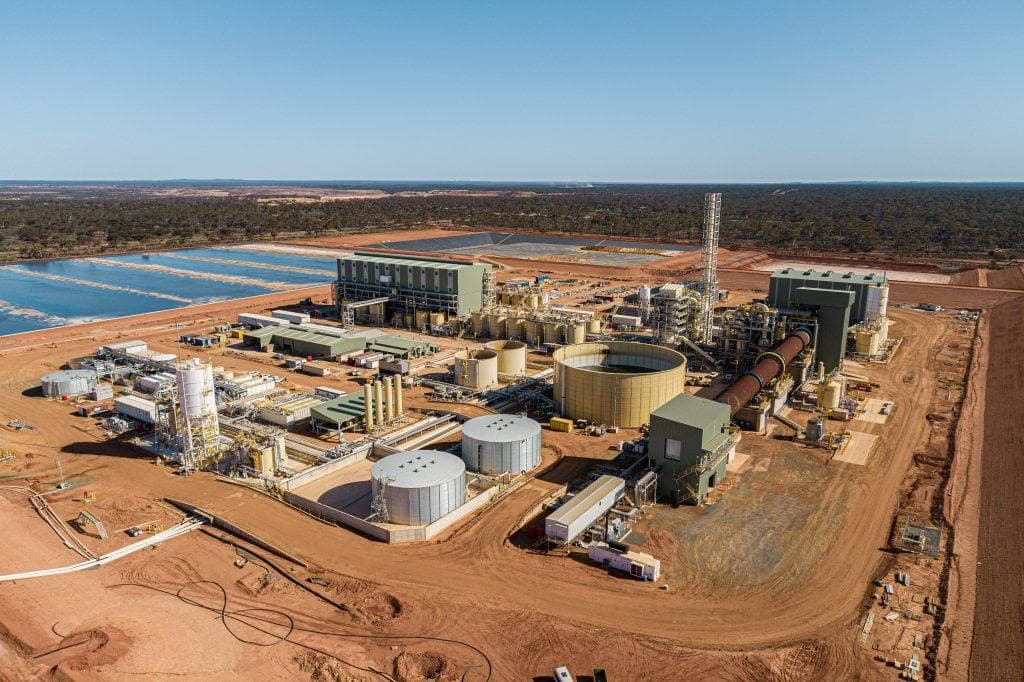
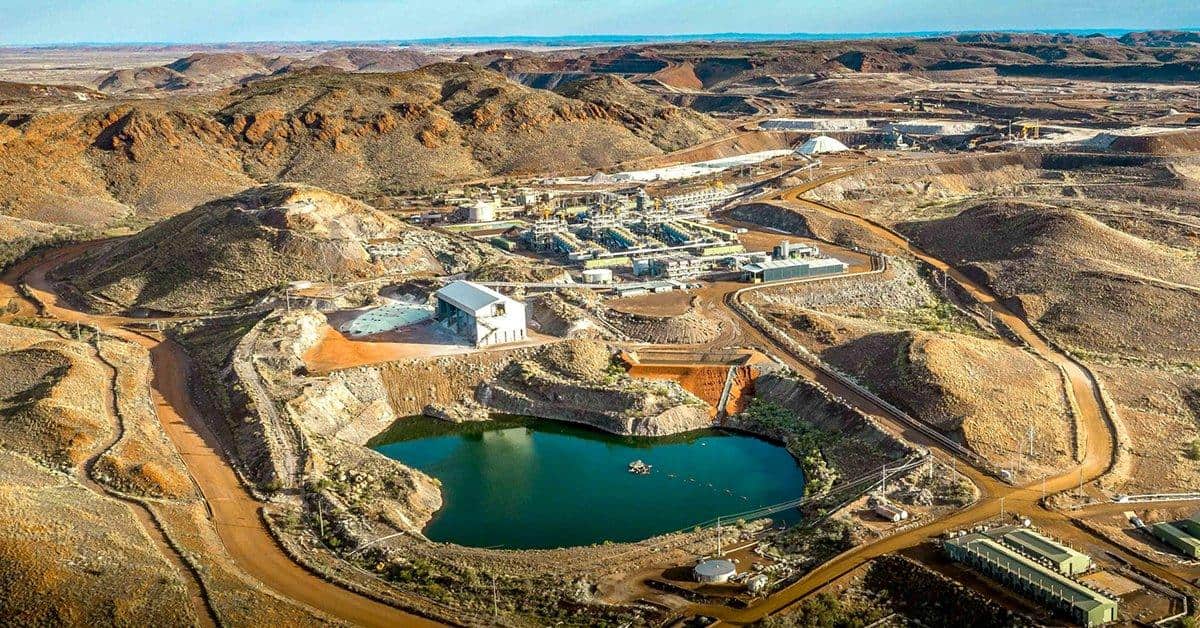
The minerals chapter carries the most strategic weight. Europe will scrap duties of up to 5.5 percent on lithium, tungsten, antimony and rare earths, the inputs its car makers and defence firms cannot source at home. Australia holds some of the largest reserves on the planet, yet it ships most of them to China for processing. The agreement gives European investors a reason to fund refining closer to the mine, and it hands Australian producers a customer that is actively trying to cut its reliance on Beijing.

Hydrogen sits alongside the metals. The deal ends tariffs on hydrogen and its carriers, a bet by both governments that Australian sun and wind can eventually power European industry through green fuels. Whether that market materialises at scale remains uncertain, but the tariff line is now clear if it does. The European Commission has published the outline of the deal on its Australia trade page.

Agriculture, the issue that sank the previous round, forced the hardest compromise. Australian beef, sheep meat and sugar win expanded quotas into the European market, though not the unlimited access Canberra first demanded. European farm lobbies extracted caps and phase-in periods, and they will scrutinise every tonne that crosses the threshold. The balance looks durable precisely because neither farm sector got everything it wanted.

For the European Union, the agreement fits a wider pattern. The bloc has spent the past two years signing deals with partners it considers reliable, from the revived Mercosur text to the recent pact with New Zealand, as it hedges against an unpredictable Washington and an assertive Beijing. Australia, a fellow democracy with the minerals Europe needs, was an obvious name on that list.

The economics are real but modest. Analysts value the deal at roughly ten billion Australian dollars in added trade, a useful figure rather than a transformative one. The strategic logic outruns the arithmetic. In a decade when supply chains have become instruments of pressure, a guaranteed European outlet for critical minerals is worth more than the tariff savings suggest.

Ratification will test the political will. The European Parliament and every member state must consent, and farm-heavy capitals will read the agriculture annexes line by line. Australia’s parliament faces its own scrutiny. Neither process is a formality, and both could stretch well into next year. Still, after eight years, the hard part is done, and the remaining fight is over how quickly a signed deal becomes a working one.