Canberra: The free-trade agreement that the European Union and Australia concluded in March, after eight years of talks that twice came close to collapse, will be remembered mostly for what it does to farm quotas and prosecco labels. But buried in the energy chapter is a provision with a longer reach: the elimination of EU tariffs on Australian energy and resource products, including hydrogen, lithium hydroxide and a range of critical minerals. For a bloc trying to decarbonise an industrial base while weaning it off Russian gas, that clause is quietly strategic.
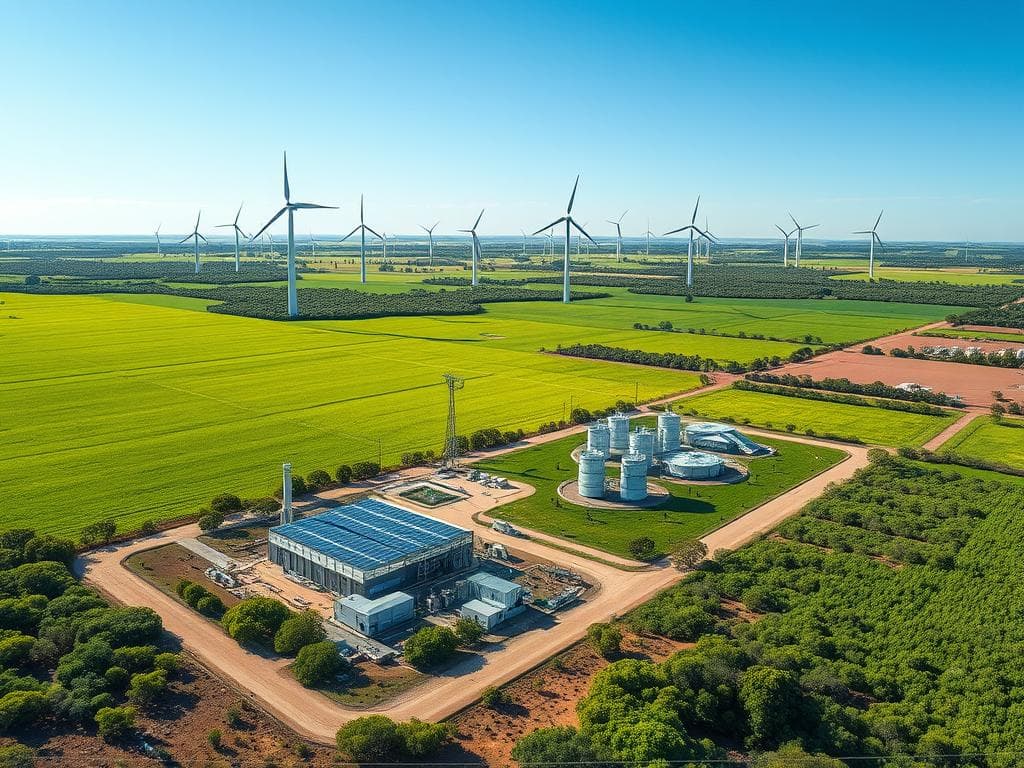
Hydrogen is the part worth watching. Europe’s climate plans lean heavily on clean hydrogen to decarbonise steel, chemicals and heavy transport, sectors where electrification alone will not suffice, and the continent cannot produce anywhere near the volume its own targets assume. Australia, blessed with sun, wind and vast empty land, has spent years positioning itself as an export supplier, and a tariff-free route into the single market removes one friction from a trade that barely exists yet but that both governments want to will into being. The agreement, in effect, is an option written on a future energy relationship.
The obstacles are physical, not legal, and they are considerable. Shipping hydrogen across the Indian Ocean means converting it to ammonia or a liquid carrier, moving it, and converting it back, a chain that bleeds energy and money at every step. Whether Australian hydrogen can land in Rotterdam at a price European industry will pay remains an open question, and several flagship export projects have already slipped their timelines as the economics proved harder than the brochures promised. A tariff exemption improves the maths at the margin; it does not rewrite the physics.
The deal did not arrive alone. It was signed alongside an EU-Australia Security and Defence Partnership, and the pairing is the point. Brussels increasingly bundles trade, energy and security into single strategic packages, treating a reliable democratic supplier of minerals and future fuels as a hedge against dependence on less predictable partners. For Canberra, tariff-free access to a market of that size, plus a security relationship with the bloc, is a diversification away from an economy still oriented toward China. Both capitals are buying insurance.
There are grounds for scepticism on each side. European farmers extracted hard limits on Australian beef, lamb and sugar, and the agricultural lobby will scrutinise every quota during ratification, a process that must still clear the European Parliament and national capitals and could stretch well beyond this year. Climate advocates will ask whether importing hydrogen halfway around the world is a sensible use of Australian renewable power that might instead decarbonise Australia’s own grid. And energy realists will note that a tariff line is no substitute for the infrastructure, offtake contracts and port capacity that a genuine hydrogen trade would require.
Defenders of the deal reply that trade architecture has to precede trade flows, and that no exporter will build multi-billion-dollar facilities without assured, barrier-free access to demand. On that view the tariff clause is a signal to investors as much as a concession to Canberra. What to watch now is ratification and whether any Australian hydrogen actually moves under the new terms before the decade is out. If it does, the agreement will look prescient. If it does not, it will stand as a well-negotiated bet on a market that never quite materialised.