Brussels: After eight years of negotiation, two collapses and a great deal of mutual frustration, the European Union and Australia concluded a free trade agreement in March. The temptation is to read it as a tariff story, and in part it is, removing duties on nearly all goods traded between the two and unlocking an accord valued at around ten billion Australian dollars. But the real prize sits underground.
For Brussels, the agreement secures tariff-free access to Australian lithium, manganese, cobalt, antimony, tungsten and rare earths, and upgrades the 2024 strategic partnership on sustainable critical minerals into something with commercial teeth. These are the raw materials of the energy transition and of modern defence manufacturing, and Europe has spent the past three years discovering how exposed it is on every one of them. A like-minded supplier with deep reserves and stable institutions is exactly what the bloc’s economic security strategy was written to find.
The deal is also a study in patience. Talks stalled in 2023 when Canberra pressed for bigger quotas on lamb and beef while Brussels pushed for minerals access and lower industrial tariffs. What broke the deadlock was less a sudden meeting of minds than a shared anxiety about a world turning protectionist, with both capitals hedging against the risk that the United States becomes an unreliable trading partner. When the external weather changes, stalled negotiations have a way of finding their conclusion.
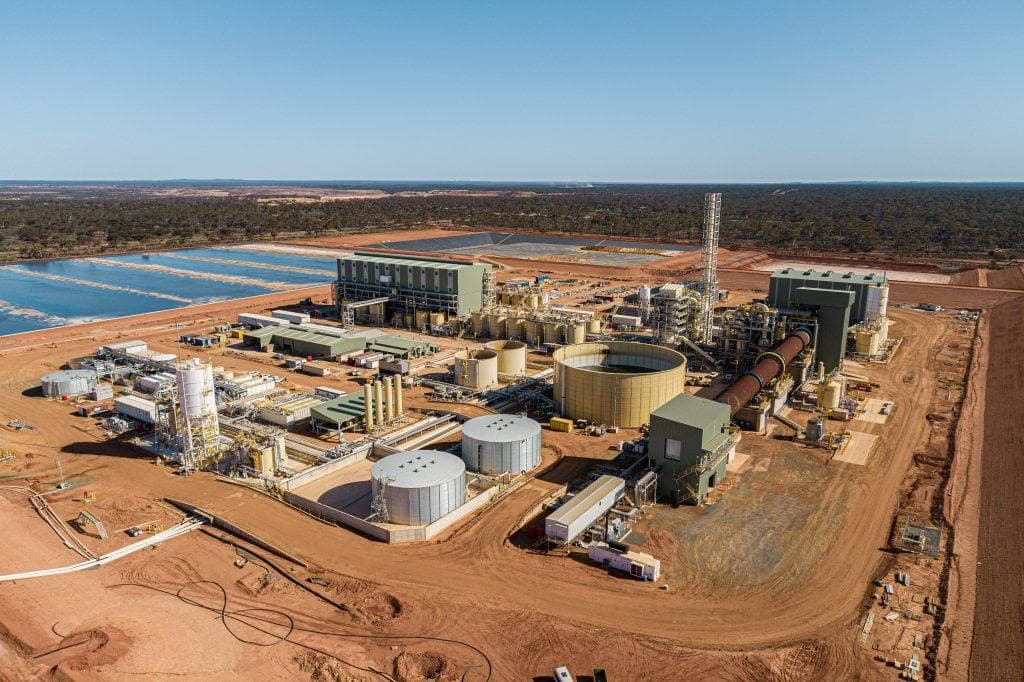
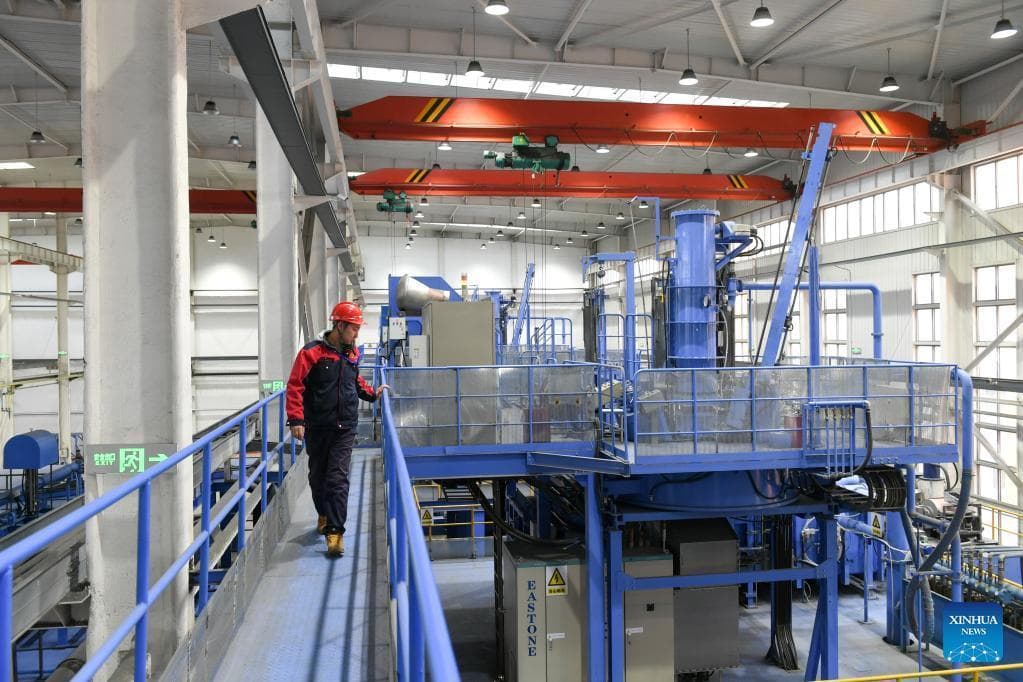
Yet honesty requires noting what the agreement does not do. It is no quick fix for either side’s dependence on China. Australia digs the ore but still sends much of it to Chinese refineries, because the processing capacity that turns raw mineral into battery-grade material sits overwhelmingly in China. A tariff line in Brussels cannot conjure a refinery in Western Australia or an anode plant in Europe. Building that midstream capacity takes years, enormous capital and a tolerance for costs higher than the Chinese benchmark, and neither partner has yet shown it will pay that premium at scale.
Ratification adds another caveat. The text must clear the European Parliament and member states, a process that could run close to two years, and by the time it takes full effect the architecture of Western trade may look different again. Australian farmers will scrutinise the agricultural quotas, European industry will test the rules of origin, and the usual coalition of sceptics will ask whether the gains justify the concessions.
Still, the strategic meaning is clear enough. The agreement gives Europe a genuine off-ramp from a supply chain it has come to regard as a vulnerability, even if the road is long and the early stretches expensive. It pairs naturally with the bloc’s other Indo-Pacific moves, the competitiveness alliance with Japan and the digital pact with Korea, into a pattern of diversification that is finally acquiring substance. The lesson Canberra and Brussels seem to have absorbed is that resilience is not bought in a single transaction. It is assembled, slowly, from deals like this one, and the value shows up not on the day of signature but in the crisis that the diversification was meant to survive.